




Introduction: Sintra, crossroads of history, legends and rituals
Sintra is one of Portugal’s cultural jewels, a UNESCO World Heritage site famed for its romantic landscape of colorful palaces, misty forests and lively popular traditions. Just 30 km from Lisbon, this hill town has drawn poets, kings and travelers for centuries. Beyond the postcards, Sintra’s culture reveals itself in local festivals, museums dedicated to art and history, and popular rituals still practiced today. This detailed guide offers a full immersion into Sintra’s cultural life: where to attend celebrations, which museums to visit, which traditional practices to watch for, and practical tips to enjoy authentic experiences.
Sintra is not just Palácio Nacional da Pena or Quinta da Regaleira — though those sites are unmissable — it’s also a community that preserves its customs: religious processions, village festivals, craft markets and seasonal culinary practices. Visiting Sintra means engaging with a living culture. Each palace tells an era; each museum reveals a lesser-known facet; each festival brings locals together around rites passed down through generations. Expect contrasts: the solemnity of religious ceremonies, the whimsy of costumes at medieval fairs, the quiet of artisans’ workshops, and the simplicity of meals shared in small tascas (traditional eateries).
This guide is practical and immersive. You’ll find full venue names, precise addresses, regular opening hours (marked “for guidance” when times vary seasonally), entrance fees in euros (updated to 2026 as guidance), detailed experience descriptions, and local tips to avoid crowds and meet residents. We’ll also explain how to take part in festivals respectfully rather than as a mere tourist, how to visit museums outside peak times, and how to spot rituals rooted in everyday Sintra life.
Throughout the sections you’ll also find suggested itineraries and practical tips (transport, ticketing, best season for certain festivals). Embedded image markers will give you visual cues to plan your photos and route. Read practical details carefully — addresses, prices and hours — as they’ll help you organize a visit that pairs cultural discovery with respect for local traditions.
Festivals and events: calendar, popular rituals and religious feasts
Sintra hosts events year-round where devotion, folklore and art mingle. Religious celebrations like the Festa de São Pedro (Saint Peter) and the Festa da Nossa Senhora da Peninha remain highlights, while contemporary cultural events — concerts, craft fairs and historical reenactments — enrich the calendar. Below is a detailed overview of major events with addresses, usual hours, entrance fees and tips for participating respectfully.
Festa de São Pedro (Saint Peter’s Festival)
– Location: Sintra historic center, usual start from Palácio Nacional de Sintra, Largo Rainha Dona Amélia, 2710-616 Sintra.
– Date: late June (around June 29), with celebrations across neighborhoods.
– Hours: procession and masses between 18:00 and 22:30; entertainment until midnight.
– Price: free (some paid activities €5–10).
Description: The Festa de São Pedro gathers locals around a procession, traditional music (rancho folclórico) and stalls serving local dishes (frango assado, bolo de mel). Rituals include blessings, traditional songs and sometimes displays of historical costumes. To take part: arrive early to secure a spot, respect prayer areas and ask permission before photographing elderly people or private ceremonies.
Festa da Nossa Senhora da Peninha
– Location: Capela da Peninha, Estrada da Peninha, 2710-557 Sintra (on the Serra de Sintra).
– Date: first Saturday of September (variable).
– Hours: pilgrimage and mass from 10:00 to 15:00.
– Price: free.
Description: This pilgrimage to the Peninha chapel draws pilgrims and hikers. The route offers Atlantic views and is punctuated by musical stops. The main ritual is an outdoor mass followed by a communal meal sometimes organized by the parish. Tip: bring water, a hat and sturdy shoes; access roads can be narrow and the area windy.
Medieval fairs and historical reenactments
– Location: frequently held at Castelo dos Mouros (Rua Marechal Saldanha, Sintra) or on Praça da República (Largo Rainha Dona Amélia).
– Period: spring and summer (May–September).
– Hours: full days, 10:00–18:00; evenings sometimes lively until 23:00.
– Price: entry fees vary €5–15 for shows or workshops.
Description: These events feature falconry displays, staged historical combats, calligraphy and forging workshops. Stalls often sell crafts (ceramics, filigree jewelry) and medieval-style food. Tip: join the workshops to learn traditional techniques; local artisans appreciate curious visitors who ask thoughtful questions.
Contemporary music and cultural fairs
– Location: Centro Cultural Olga Cadaval, Largo das D. Maria 1, 2710-616 Sintra.
– Hours: program varies; evening events 19:00–23:00 and daytime exhibitions 10:00–18:00.
– Price: tickets €5–30 depending on the show.
Description: The Centro Cultural Olga Cadaval hosts concerts, contemporary art exhibitions and talks. Programming often features local ensembles and emerging Portuguese artists. Check the official website or box office (usually open 10:00–17:00) for the calendar. Practical tip: buy concert tickets online in high season and arrive 30 minutes early to avoid queues.
Museums and cultural sites: curated museum routes and in-depth visits
Sintra hosts several museums and historic residences that let you dive into its tangible and intangible heritage. Here’s a carefully selected list of museums and cultural sites to visit, with exact addresses, typical opening hours, indicative prices (updated 2026) and immersive descriptions to help you choose based on your interests: royal history, decorative arts, romantic gardens and mystical creations.
Palácio Nacional de Sintra
– Address: Largo Rainha Dona Amélia, 2710-616 Sintra.
– Hours: usually 09:30–18:00 (last admission 17:00). Closed 1 January and 25 December.
– Prices: adult €11.00; students/seniors €8.50; children under 12 free (indicative 2026 prices).
– Description: The Palácio Nacional de Sintra, recognizable by its two conical chimneys, is the best-preserved medieval palace in Portugal. Inside, richly decorated rooms, historic azulejos and royal chambers tell the story of the Portuguese monarchies. The immersive visit includes the traditional kitchen with its large chimneys, the Sala dos Cisnes adorned with 15th‑century tiles and the Câmara da Manguier. Tip: visit in the morning (or late afternoon off-season) to avoid groups arriving from Lisbon.
Palácio Nacional da Pena
– Address: Estrada da Pena, 2710-609 Sintra.
– Hours: 09:30–19:00 in high season (April–September); 10:00–18:00 in low season (hours may vary).
– Prices: Palace + park €14.50 (adult); park only €7.50; discounts for seniors/students; family €29.00 (estimate 2026). Online booking recommended.
– Description: Perched on its promontory, Palácio Nacional da Pena is a 19th‑century Romantic masterpiece, mixing neo‑Gothic, neo‑Manueline and Moorish styles in a riot of color. Terraces offer spectacular views over the Serra. The interiors are furnished in the Romantic period style; visiting the park alone is a botanical experience with exotic species and winding paths. Tip: come early (or late afternoon) for golden light on the façade; bring a jacket—the hilltop is often windy and cool.
Quinta da Regaleira
– Address: Rua Barbosa do Bocage 5, 2710-567 Sintra.
– Hours: 09:30–18:30 (seasonal hours; last admission 17:45).
– Prices: €12.00 adult; €7.50 reduced; audioguide sometimes included (indicative 2026 prices).
– Description: Quinta da Regaleira is steeped in mysticism and esotericism, designed by António Augusto Carvalho Monteiro and architect Luigi Manini. The estate is famous for its Initiation Well in spiral, caves, chapels and symbolist gardens. Visits are typically slow-paced to spot the alchemical and Masonic symbols scattered across the grounds. Tip: explore the tunnels starting at the Initiation Well, then head up to the chapel; a local guide or audioguide helps decode the symbolism.
Palácio de Monserrate and gardens
– Address: Rua Visconde de Monserrate 58, 2710-405 Sintra.
– Hours: 10:00–18:00 (seasonal hours).
– Prices: €8.50 adult; €5.00 reduced; gardens only €6.00 (estimate 2026).
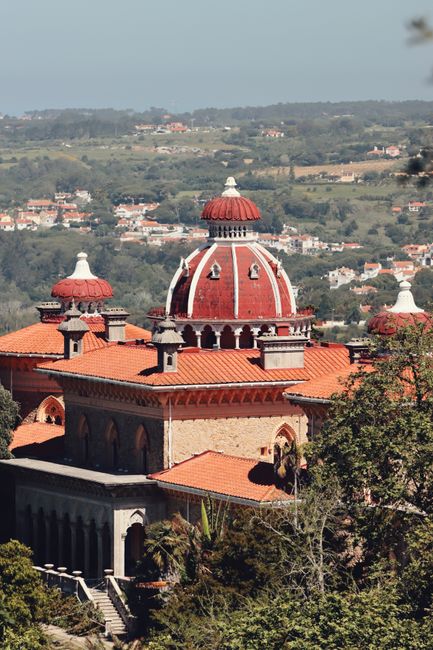
– Description: Palácio de Monserrate, blending neo‑Moorish and Victorian‑Romantic styles, is set within lush botanical gardens showcasing exotic species from the late 19th century. Visiting the palace and gardens is an immersive stroll through a plantation‑era romantic landscape, punctuated by waterfalls, bridges and clearings. Tip: bring a paper guide or download a garden map to find rare botanical sectors; photographers will find lush, less crowded angles than at Pena.
Local rituals and traditions: gastronomy, crafts and popular beliefs
Beyond monuments and museums, Sintra’s culture is lived daily through culinary rituals, crafts and popular practices. Table rituals, seasonal products and artisan workshops are gateways to Sintra’s soul. This section details where to taste local specialties, which artisans to meet and which folk beliefs persist.
Gastronomy and culinary rituals
– Specialties to try: queijadas de Sintra, travesseiros de Sintra, bolo de mel, frango assado (roast chicken).
– Where to taste them:
– Casa Piriquita, Rua Padarias 1/3, 2710-616 Sintra. Hours: 08:00–20:00. Price: queijada €1.10; travesseiro €2.20 (estimate 2026).
– Piriquita II, Praça da República, 2710-616 Sintra (same family, often long lines).
– Description: The queijada (little cheese tart) and the travesseiro (puff pastry filled with almond cream) are morning rituals: locals meet for coffee and these treats before work. Bolo de mel, a honey cake, is often served at religious festivals and weddings. Tip: ask for a fresh portion and eat at the counter for a local experience; avoid mass‑produced versions sold in supermarkets.
Crafts and workshops
– Reference spots: workshops in the historic center along Rua das Padarias and Largo Rainha Dona Amélia.
– Types of craft: filigree jewelry, hand‑painted ceramics, tapestries, leatherwork.
– Examples of artisans: independent workshops and small galleries in Sintra’s Alfama (ask the tourist office for details).
– Prices: handcrafted items €10–150 depending on the piece.
– Description: Sintra’s artisans often favor inherited techniques: silver filigree, azulejo painting, traditional sewing for folk costumes. Many offer beginner workshops (2–3 hours, €20–60) to learn a skill and leave with your creation. Tip: book workshops in advance during high season and negotiate politely for a bulk price if buying several pieces.
Popular beliefs and rural rituals
– Observations: agricultural blessings, celebrations of patron saints, small offerings left in rural chapels.
– Places: rural chapels around Sintra (Capela de Nossa Senhora da Penha, Capela de São Saturnino).
– Description: Agrarian rituals—blessing seeds, prayers for rain—still persist among some hamlet residents. The use of votive candles (ex-voto) and small offerings is common in the chapels. For the respectful visitor, these practices offer an intimate glimpse into popular faith, often accompanied by singing and a modest community reception. Tip: ask permission before entering a chapel where a family is praying, and avoid photos during moments of reflection.
Practical tips, routes and living Sintra like a local
To fully enjoy Sintra’s culture, preparation is key: know opening hours, buy tickets in advance, schedule breaks to taste local cuisine, and plan alternate routes away from crowded spots. This section compiles practical tips, suggested one-day itineraries and ways to meet locals.
Transport and schedules
– Access from Lisbon: CP Linha de Sintra train (Rossio station in Lisbon → Sintra). Duration: 40–45 minutes. Timetable: regular trains from 06:00 to 00:30, every 20–30 minutes (check CP for exact daily times). Price: single ticket about €2.25 (CP fares 2026).
– Getting around: bus 434 (tourist loop linking the station, historic center, Palácio da Pena and Castelo dos Mouros) — convenient but often crowded in high season. Bus ticket can be bought at the station or from the driver: €3–6 depending on route.
– Car: limited parking in the historic center; prefer official car parks (Park & Ride at the station).
Tip: to avoid crowds, start early (or take the last afternoon guided visit at Pena), and combine major sites (Pena + Castelo dos Mouros) with more intimate places (Monserrate, small museums).
Recommended one-day cultural itinerary
– Morning: early train → breakfast at Casa Piriquita (Rua Padarias 1/3). Visit Palácio Nacional de Sintra (Largo Rainha Dona Amélia) 09:30–11:00.
– Noon: lunch in a local tasca (Portuguese tapas) near Praça da República; try the frango assado.
– Afternoon: head up to Palácio Nacional da Pena (Estrada da Pena) — visit the palace and park 14:00–16:30; then stroll to Castelo dos Mouros for late afternoon and sunset.
– Evening: return to town center and relax at the Largo (cafés/restaurants). If you’re there on the weekend, check the Centro Cultural Olga Cadaval program for an evening concert.
Tip: buy combined online tickets for Pena + Castelo dos Mouros to save time; bring water and snacks for long walks.
Meeting locals and taking part in rituals
– Respectful approach: a simple greeting in Portuguese (« bom dia », « obrigado ») often opens conversation.
– Joining festivities: arrive before the official start, stay discreet during prayers, offer a small donation if a collection is held, and buy local food or crafts to support the community.
– Workshops with artisans: make an appointment, buy a small piece and show interest in the technique; many artisans enjoy explaining their craft.
– Markets and fairs: visit morning rural markets to taste fresh produce and talk to producers (for example small farms around Colares, 10–15 minutes by car).
Final tip: curiosity and respect are key. Avoid rushed tourist behavior; favor slow presence to understand rituals and build connections.
Conclusion: making Sintra part of your cultural experience
Sintra is far more than a collection of photogenic monuments; it’s a living place where every stone, festival and pastry tells a story. This guide has given you precise addresses (Palácio Nacional de Sintra — Largo Rainha Dona Amélia, Palácio Nacional da Pena — Estrada da Pena, Quinta da Regaleira — Rua Barbosa do Bocage 5, Palácio de Monserrate — Rua Visconde de Monserrate 58), indicative hours and fares (updated 2026), and concrete ways to take part in local festivals and discover rituals respectfully and immersively.
To make the most of Sintra, plan visits for early in the day, book tickets for major monuments (Pena, Regaleira) to avoid queues, and include quieter experiences in your itinerary: an artisan workshop, a tasting at a traditional pastry shop like Casa Piriquita, or a mass at a rural chapel. These quieter moments often yield the most authentic encounters.
Finally, remember that Sintra’s culture is passed on through conviviality: a shared smile, a conversation on a terrace, the sharing of a typical pastry or taking part in a local procession often turn a simple traveler into a welcomed guest. Respect, patience and curiosity will open the doors to rituals and traditions and help you keep, beyond the images, lasting sensory and human memories of this unique region.
Have a great trip and happy discoveries — may your visit to Sintra bring you as much wonder as authentic exchanges with its people.