





Introduction: Sintra in a day — train, car or guided tour?
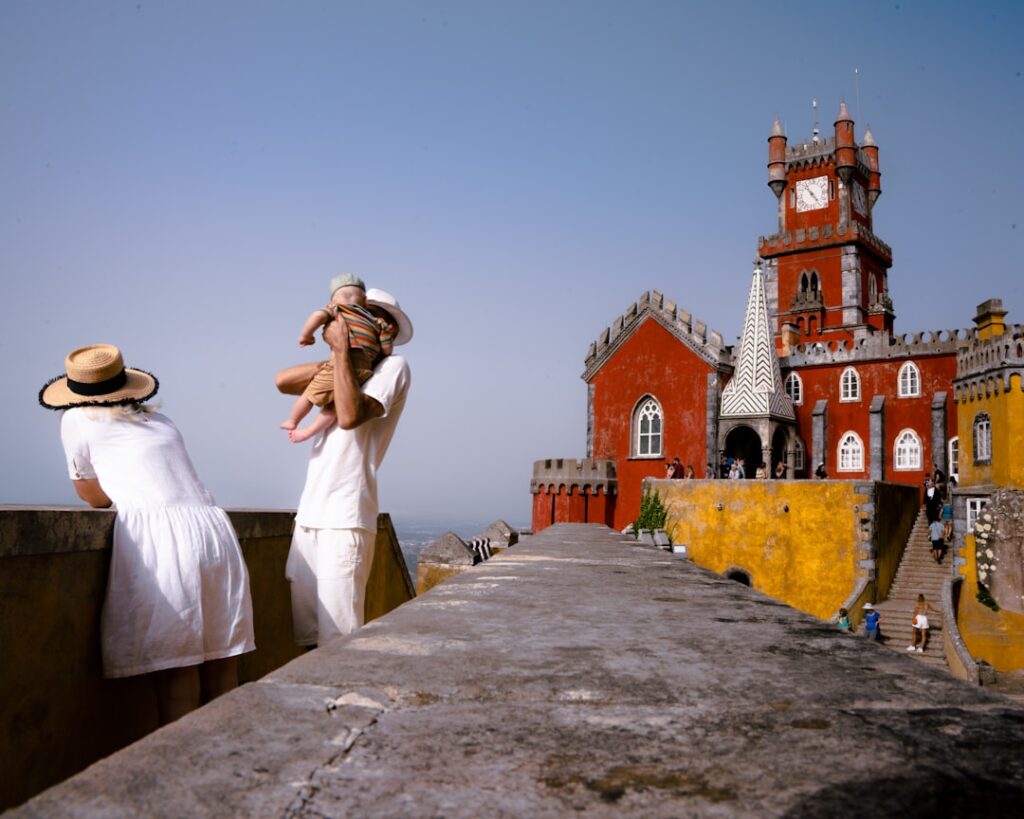
Sintra is one of Portugal’s most photogenic and historically rich gems, a UNESCO World Heritage site. Located about 30 km west of Lisbon, this town of mushrooming palaces, lush gardens and romantic monuments draws visitors from around the globe. If you only have one day, the recurring question is: should you take the train, rent a car, or book a guided tour? Each option delivers a different experience, with trade-offs around time, comfort, budget and how immersed you’ll be. This comprehensive guide will help you pick the best approach for your day in Sintra by detailing schedules, prices, exact addresses, routes, vivid descriptions and practical local tips.
The town itself sits on rugged terrain: pine-covered ridges, ravines, viewpoints and palaces that rise like fairy-tale sets. Major attractions are relatively close on the map but separated by steep slopes and narrow streets, which heavily influences the best mode of transport. The train from Lisbon (Estação do Rossio or Oriente) is fast, cheap and very popular; a car gives you total freedom of schedule and route, handy if you want to continue to Cabo da Roca or the beaches near Cascais; and a guided tour offers an optimized itinerary, sometimes skip-the-line tickets and expert commentary, but with less freedom to wander.
In this guide I lay out the journeys in detail (approximate times and prices), transfer durations, the best ways to visit Palácio Nacional da Pena, Quinta da Regaleira, Castelo dos Mouros, Palácio Nacional de Sintra and a possible stop at Cabo da Roca. You’ll also find practical tips (where to park, how to avoid crowds, which tickets to buy in advance, dining options, walking routes and weather hacks). I include exact addresses and prices in euros so you can plan your day without surprises. Finally, I offer sample itineraries: a “train + walking” day, a “car + coastal extension” day and a “guided tour” day. No matter your travel style — budget, independent or comfort-seeking — you’ll leave with a clear roadmap to make the most of Sintra in a single day.
Option 1 — By train: fast, budget-friendly and very convenient
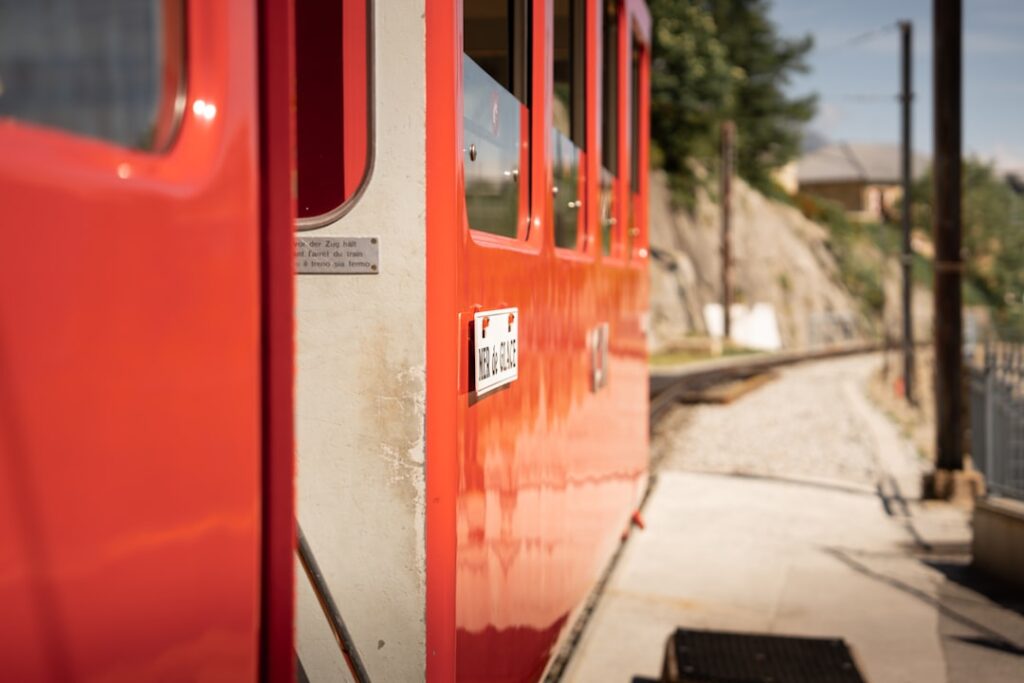
Taking the train from Lisbon is the most common choice for a day trip. Trains on the Sintra line run by CP (Comboios de Portugal) depart from Rossio Station (Praça Dom Pedro IV, 1150-076 Lisboa) and from Oriente Station (with a connection if you’re coming from the airport). The average journey time Rossio → Estação de Sintra (Largo Dr. Miguel Fernandes, 2710-455 Sintra) is around 40–50 minutes. Frequency: trains typically run every 20–30 minutes, from roughly 06:00 until midnight (times vary by season and weekends) — always check schedules on www.cp.pt or via the CP app.
Price: a single ticket costs about €2.25–€3.00 per trip (suburban fare / metro-train). A return ticket is usually the cheapest option. You can buy tickets at station machines or via the CP app; remember to validate your ticket if needed. When you arrive at Estação de Sintra, you’re about 1 km from the historic center (10–15 minutes on foot) and close to tourist services.
Getting around afterwards: Sintra’s topography is steep and the main sites aren’t all easily walkable. The climb to Palácio Nacional da Pena (Palácio Nacional da Pena, Estrada da Pena, 2710-609 Sintra) is steep from the center. Options from the station:
- Local bus Scotturb line 434 “Circuito de Sintra” (Estação de Sintra → Palácio da Pena → Centro Histórico → Quinta da Regaleira and back). Approximate fare: €5.00 one-way (prices vary; buy at kiosks or on board if allowed). Frequency: every 15–30 minutes in high season. Main stop: Estação de Sintra.
- Taxi or Uber: 5–10 minutes to the center, €10–€20 depending on traffic and destination (more expensive to Pena). Taxis in the old town are handy but traffic can be slow at peak times.
- Hike: 30–60 minutes uphill to Pena for fit walkers; paths are sometimes shaded — bring suitable shoes.
Opening times and entrance fees (indicative — check before you go):
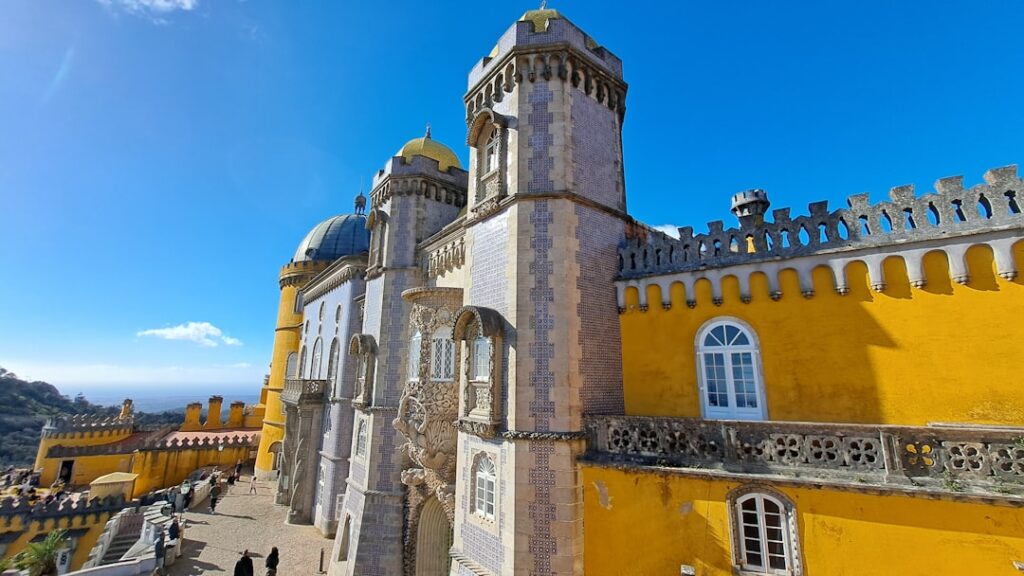
- Palácio Nacional da Pena, Estrada da Pena, 2710-609 Sintra — Hours: 09:30–18:30 (last entry varies). Price: palace + park around €17.50–€20.00 (standard), park only ~€7–€9; discounts for youth, seniors and families.
- Quinta da Regaleira, Rua Barbosa do Bocage 5, 2710-567 Sintra — Hours: 10:00–18:30. Price: ~€12–€16 adult.
- Castelo dos Mouros, Rua Marechal Saldanha, 2710-616 Sintra — Hours: 09:30–18:30. Price: ~€8–€10 adult.
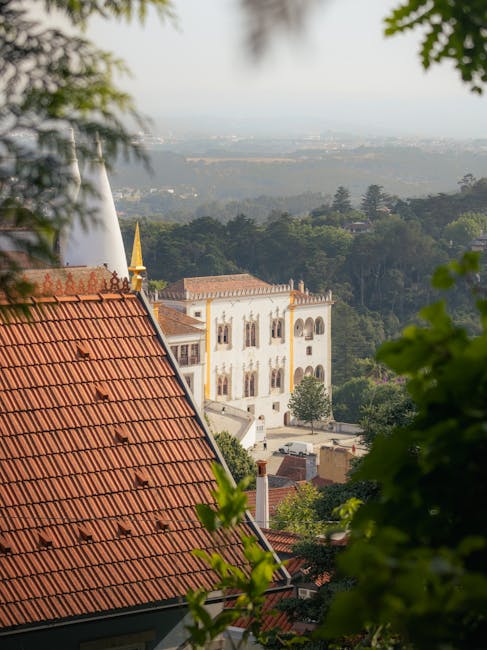
- Palácio Nacional de Sintra, Largo Rainha Dona Amélia 1, 2710-616 Sintra — Hours: 09:30–18:00. Price: ~€10–€12 adult.
Local tips for the train:
- Arrive early: morning trains let you be in Sintra by around 09:00, perfect for beating the crowds at the palaces.
- Buy entry tickets online for Pena and Quinta da Regaleira: queues can be long in high season but some online tickets offer priority access.
- Wear comfortable shoes: even combining train + bus means walking on cobbles and uphill paths.
- If you also want to visit Cabo da Roca the same day, the train + public bus option gets long; a car or guided tour is usually better.
Option 2 — By car: freedom, coastal extension and flexible timing
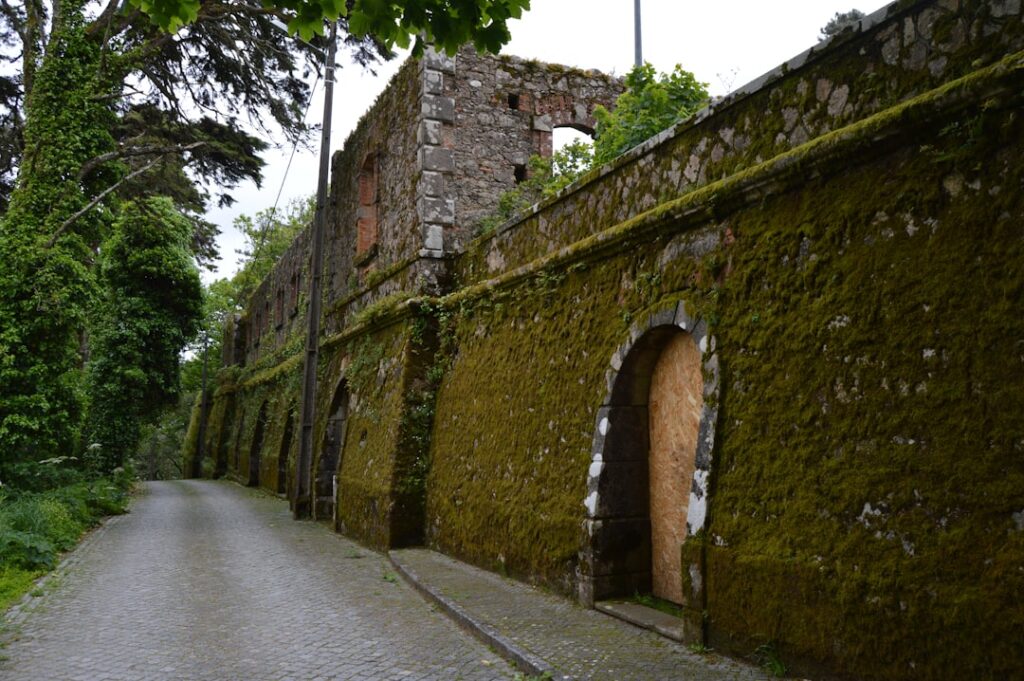
Renting a car for the day gives you the most flexibility, especially if you want to combine Sintra with nearby spots like Cabo da Roca, Guincho or Cascais. The drive from Lisbon takes about 30–40 minutes without traffic via the IC17/IC19 then N9 or A37 (depending on your starting point). Useful navigation addresses: Palácio Nacional da Pena, Estrada da Pena, 2710-609 Sintra; Parking municipal da Vila (Parque de Estacionamento da Vila), Rua das Flores, 2710-616 Sintra.
Costs and parking:
- Car hire: depending on season, budget about €25–€80 per day for a small car, more for SUVs and automatics. Book ahead for better rates.
- Fuel: prices vary, but for a half-day of local driving expect €10–€20 of fuel for an economical car.
- Parking: in Sintra, street parking in the historic center is limited. Paid car parks like Parque de Estacionamento da Vila charge around €6–€12 per day depending on duration. Near Pena and Quinta da Regaleira there are free and paid parking areas but they fill up early in high season; some sloping streets offer free spots but check signs carefully.
Practical advantages:
- Direct access to Palácio Nacional da Pena and Castelo dos Mouros: you can get closer, avoiding long climbs from the station.
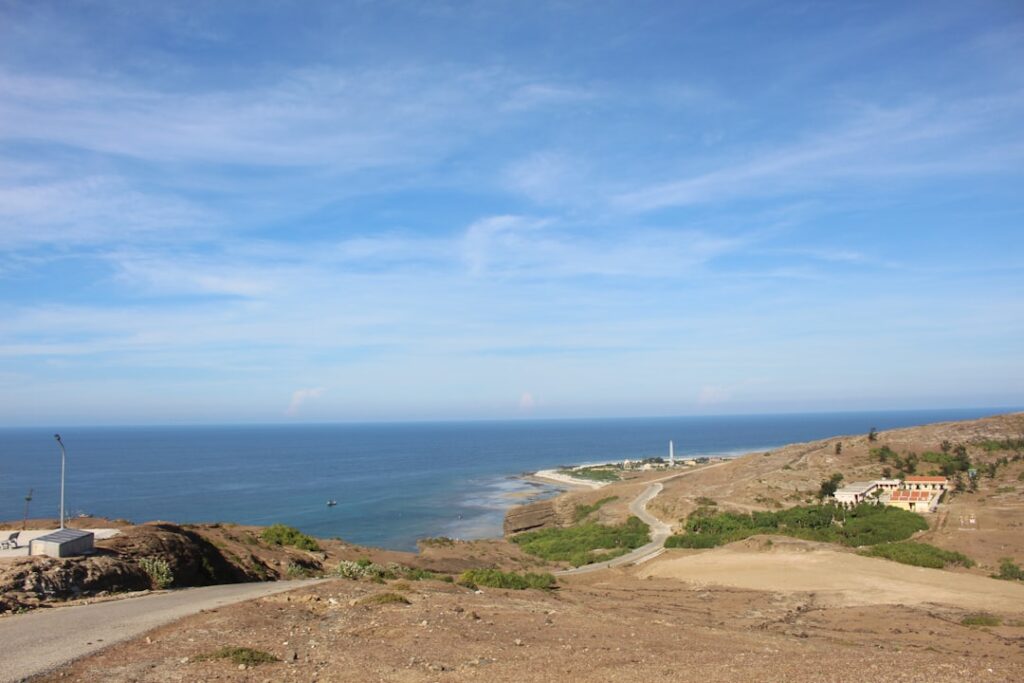
- Easy to combine with Cabo da Roca (Av. do Cabo da Roca, 2705-001 Colares) — the westernmost point of continental Europe, perfect for a sunset.
- Ability to change plans on the fly: if one site is crowded you can swap it for another without losing the day.
Drawbacks and advice:
- Traffic and congestion: weekends and summer see slow approaches to Sintra and full car parks. Leaving before 08:30 usually saves time.
- Narrow streets: the old town’s alleys aren’t designed for heavy traffic — it’s often best to leave the car in a secure lot and explore on foot or by taxi.
- Hidden costs: possible tolls on fast roads, insurance, parking fees and fuel should be factored into your budget.
Option 3 — Guided tour: comfort, commentary and time optimization
A full-day guided tour is perfect if you value convenience and deeper cultural context. Tours usually depart Lisbon (Baixa, Avenida da Liberdade or central hotels) between 08:00 and 09:00 and return in the evening. Formats vary: standard group minibus, small group or private. Duration: 8–10 hours depending on the program (often covering Pena, Quinta da Regaleira, Palácio Nacional de Sintra and sometimes Cabo da Roca).
Typical prices:
- Standard group tour: €35–€60 per person (roundtrip transport + guide, entrance fees sometimes not included).
- Small group tour: €60–€100 per person (more personalized, often includes partial skip-the-line tickets).
- Private tour: €150–€350 for 1–4 people depending on vehicle and inclusions (hotel pickup, full flexibility).
Advantages:
- Door-to-door transport with no parking or navigation hassles.
- Local bilingual guide providing historical context, anecdotes and on-the-spot tips (best photo spots, visit routes). This greatly enriches the experience and saves time spent deciphering signs or maps.
- Time optimization: the itinerary is designed to minimize queues and maximize time at key sites.
Drawbacks:
- Less flexibility: tours follow a set schedule — limited time to linger or enjoy a long lunch.
- Sometimes pricier if multiple site tickets are included.
- Possible mass-tour feel on popular routes; opt for well-rated operators and small groups for a more intimate experience.
How to choose the right tour:
- Read reviews (TripAdvisor, Google Reviews) and prefer native or certified guides.
- Check what’s included: transfers, admission tickets, lunch, free time and a Cabo da Roca stop.
- Ask about maximum group size; a small group (max 8–10 people) ensures better interaction and listening.
Recommended day itineraries based on your choice
Here are three clear, detailed scenarios with approximate times and budgets to optimize your day whether you take the train, drive or join a tour.
Scenario A — Train + walking / shuttle (budget-friendly and efficient)
- 06:45 — Depart Lisbon (Rossio Station).
- 07:30–08:15 — Arrive in Sintra; quick breakfast in town (Pastelaria Piriquita II, Rua das Padarias 1/3, 2710-616 Sintra; pastel de nata ~€1.50).
- 08:30–11:00 — Visit Palácio Nacional da Pena (Estrada da Pena): palace + park; buy tickets online (≈€18–€20 adult) to avoid the line.
- 11:15–12:15 — Castelo dos Mouros: walk the ramparts (≈€8–€10).
- 12:30–14:00 — Lunch in the historic center (average €12–€18 per person), then Palácio Nacional de Sintra (Largo Rainha Dona Amélia 1; ≈€10–€12).
- 14:15–16:00 — Quinta da Regaleira (Rua Barbosa do Bocage 5; ≈€12–€16): gardens, mystical initiations and the famous Initiation Well.
- 16:30 — Return by train to Lisbon.
Budget estimate: €40–€65 (return train + two to three entries + lunch).
Scenario B — Car + coast (freedom and scenic views)
- 08:00 — Leave Lisbon by car; arrive in Sintra before 09:00; park in a public lot (€6–€12).
- 09:15–11:30 — Palácio Nacional da Pena + gardens.
- 11:45–13:00 — Castelo dos Mouros.
- 13:15–14:30 — Lunch in Sintra (average €12–€20).
- 15:00 — Drive to Cabo da Roca (30 min): viewpoint and cliff walk.
- 17:00 — Return via Cascais if you like or head straight back to Lisbon.
Budget estimate: €60–€120 (rental, fuel, parking, admissions, lunch).
Scenario C — Guided tour (hassle-free)
- 08:00 — Pickup in Lisbon.
- 09:00–12:00 — Pena + Castelo dos Mouros (guide provides history and anecdotes).
- 12:30–14:00 — Lunch and Palácio Nacional de Sintra (depending on the itinerary).
- 14:30–16:30 — Quinta da Regaleira and free time.
- 17:30 — Return to Lisbon.
Budget estimate: €35–€100 depending on the package (admission fees sometimes included).
Final local tips: weather, gear and food recommendations
Weather and gear: Sintra has a humid, cool microclimate and is often cooler than Lisbon. Even in summer bring a light jacket and rain protection — low clouds and morning mist are common on the hills. Footwear: opt for grippy walking shoes for paths and steps. Bring a reusable water bottle, sunglasses and a spare camera battery — the viewpoints are non-stop photo ops.
Food and treats:
- Pastelaria Piriquita II, Rua das Padarias 1/3, 2710-616 Sintra — famous for queijadas and travesseiros (local pastries). Prices: queijada ~€1.20–€1.80, travesseiro ~€2.00–€2.80.
- Tascantiga, Largo Rainha Dona Amélia 10, 2710-616 Sintra — tapas and local Portuguese dishes; mains ~€8–€15.
- Restaurante Cantinho Gourmet, Rua das Padarias 8, 2710-616 Sintra — a good spot for a relaxed lunch, mains €10–€20.
Safety and behavior: Sintra is generally very safe, but stay alert in crowded tourist spots for pickpockets. Respect signage in gardens and on historic paths; don’t pick plants and stay on marked trails.
Shopping and souvenirs: favor local crafts (ceramics, embroidery, artisanal jams) and take-away pastries. For busy times, buy tickets online for Pena and Regaleira to avoid long queues.
Conclusion: which experience for a day in Sintra?
Choosing between train, car or guided tour mostly comes down to your priorities: budget, comfort, flexibility and depth of experience. The train is the most economical and very convenient for travelers who want a straightforward day trip; it drops you in the heart of town with access to tourist buses and taxis. A car suits those who want to combine Sintra with coastal highlights like Cabo da Roca or Cascais, and families with luggage or kids (fewer stairs to climb). A guided tour is ideal for visitors who value history, expert commentary and logistical simplicity — great for a stress-free first visit.
Whichever option you choose, plan your visit around the opening hours of the main sites: Palácio Nacional da Pena (Estrada da Pena, 2710-609 Sintra), Quinta da Regaleira (Rua Barbosa do Bocage 5, 2710-567 Sintra), Castelo dos Mouros (Rua Marechal Saldanha, 2710-616 Sintra) and Palácio Nacional de Sintra (Largo Rainha Dona Amélia 1, 2710-616 Sintra) as hours and prices change with the season — check official sites the day before. If you’re short on time, prioritize Pena and Quinta da Regaleira: together they capture Sintra’s romantic and mysterious spirit. For ocean views, pair your visit with Cabo da Roca (Av. do Cabo da Roca, 2705-001 Colares) in the late afternoon for an unforgettable sunset.
And finally, remember this: Sintra is best savored slowly. Even in a single day, take time for a local lunch, a coffee with a travesseiro at Piriquita, and a spontaneous detour down a cobbled lane. Whether by train, car or guided tour, make sure major site reservations are in order, start early and adapt your plans to the weather and your pace. You’ll leave with striking images — crenellated towers, colorful domes, initiation wells and ocean cliffs — and the certain desire to come back for a longer stay.