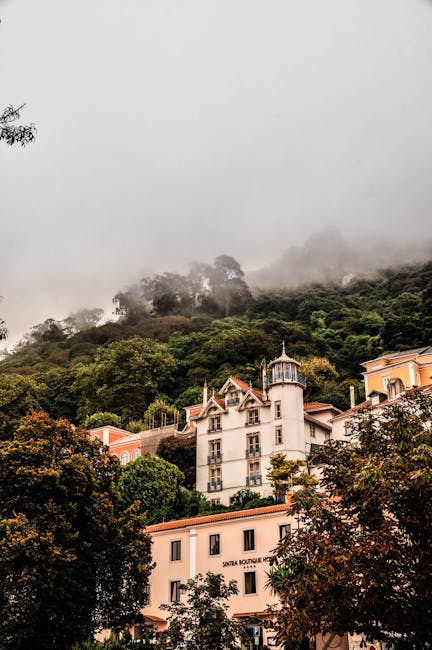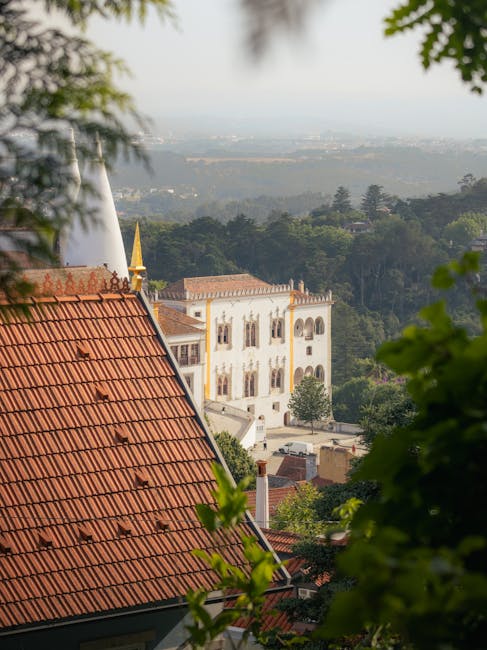






Introduction — Why explore Sintra’s lesser-known spots
Sintra, a UNESCO World Heritage site, draws crowds with its romantic palaces, lush gardens and dramatic viewpoints. But beyond Pena Palace, the Moorish Castle and Quinta da Regaleira, the area hides quieter corners — forest trails, tiny chapels, forgotten overlooks and villages that keep old traditions alive. This guide aims to take curious travelers off the beaten track to discover 10 lesser-known spots around Sintra. Each entry includes the full name, exact address, opening hours, entry fees where applicable, an immersive description and local tips to get the most from your visit.
Why these places? Because they offer a different kind of experience: privacy away from tour buses, special light for photography, chances to meet locals, peaceful hikes and fresh perspectives on Sintra’s landscape and history. The Atlantic microclimate, granite relief and dense woods create shifting atmospheres that reward patience and exploration. Some sites require a bit of preparation: a rental car, hiking boots, water and a paper map or GPS can be useful, but the payoff is often a view, a silence or an architectural discovery you won’t forget.
This guide is aimed at independent travelers, photographers, hikers and anyone wanting a more intimate Sintra. You’ll find practical details (exact addresses and hours), route suggestions and advice on respecting the sites (cleanliness, quiet, visiting hours, public transport or car access). Prices are in euros and reflect official rates at the time of writing — always check official sites for updates before you go. The listed locations are arranged to allow smart logistical combos: some are close and can be done in a half-day, others deserve a full day.
Prepare your camera, put on comfortable shoes and follow paths less traveled. Below are ten places many international visitors — and even some locals — haven’t yet discovered. Expect panoramas, hidden architecture, centuries-old woods and scents of eucalyptus and maritime pine. Enjoy your off-the-beaten-path journey around Sintra!
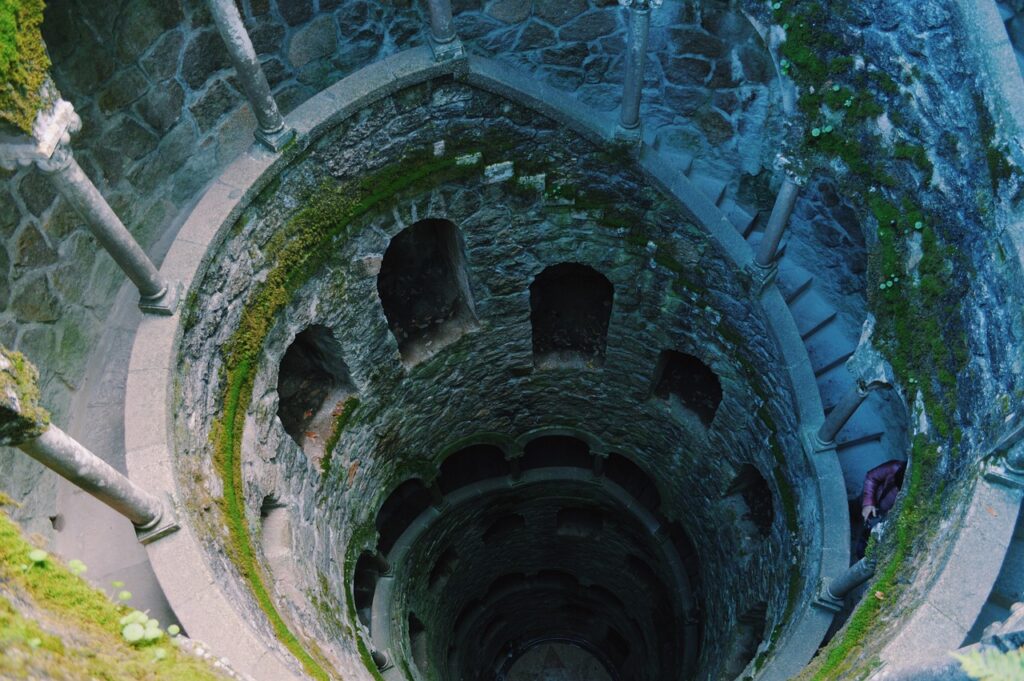
1. Convento dos Capuchos (Convent of the Capuchos) — A Franciscan hermitage in the heart of the Serra
Full name: Convento dos Capuchos (Convent of the Capuchos)
Address: Estr. do Cabo da Roca 271, 2710-616 Sintra, Portugal
Opening hours: Open daily from 9:30 to 18:00 (last entry 17:30). Closed on some public holidays — check the municipal site.
Price: General admission €3.50 (reduced €1.75 for seniors and youth). Free for children under 6.
The Convento dos Capuchos is exceptionally modest: a 16th-century Franciscan convent that embraced material humility. Built largely from local materials, the complex blends into the rock and cork oak and pine forest. Tiny cells, low ceilings and narrow doors reflect a radical asceticism; spaces are organized around small courtyards, chapels and an intimate cloister. Dampness, moss and the patina of wood give the place an almost monastic atmosphere.
Immersive visit: move slowly, keep quiet and take time to study the details — nails, niches, rudimentary water channels and the way vegetation creeps into the walls. The trail to the convent is shaded with roots and rocks; good footwear is recommended.
Local tips: arrive early to avoid light crowds and capture morning light filtering through the trees. Bring water and a jacket — the interior and forest stay cool even in summer. Respect the signs and don’t scratch the ancient structures: the site’s fragility calls for responsible behavior.
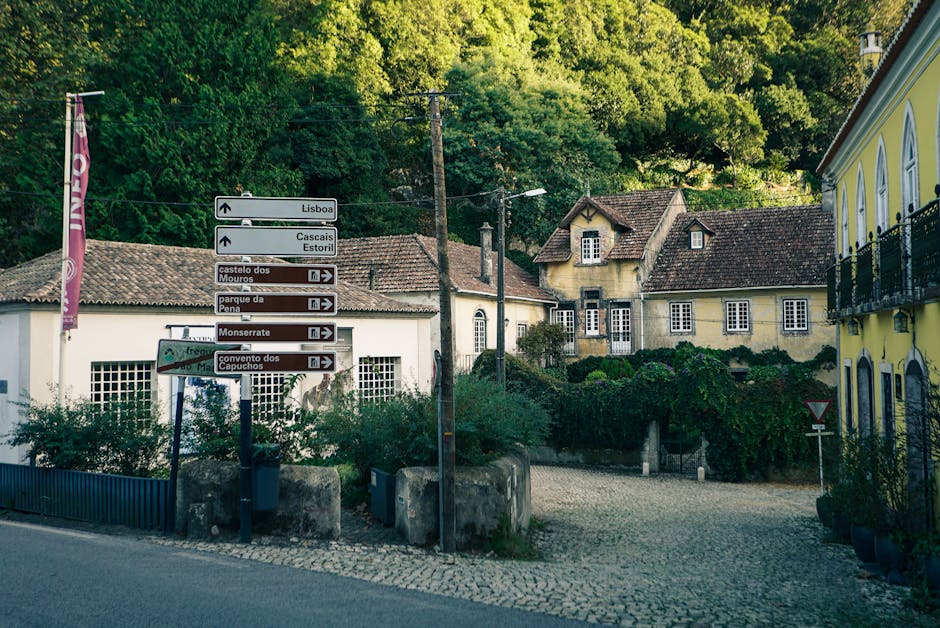
2. Cabo da Roca Lighthouse and Cliffs — A less-visited western promontory
Full name: Cabo da Roca Lighthouse and Cliffs (Farol de Cabo da Roca)
Address: Cabo da Roca, 2705-001 Colares, Portugal (parking near the viewpoint)
Opening hours: The viewpoint is open 24/7. The lighthouse itself isn’t always open to the public; occasional guided visits are announced locally.
Price: Free access to the site. Parking fees apply in some areas (around €2–5 for the day if you use a private lot).
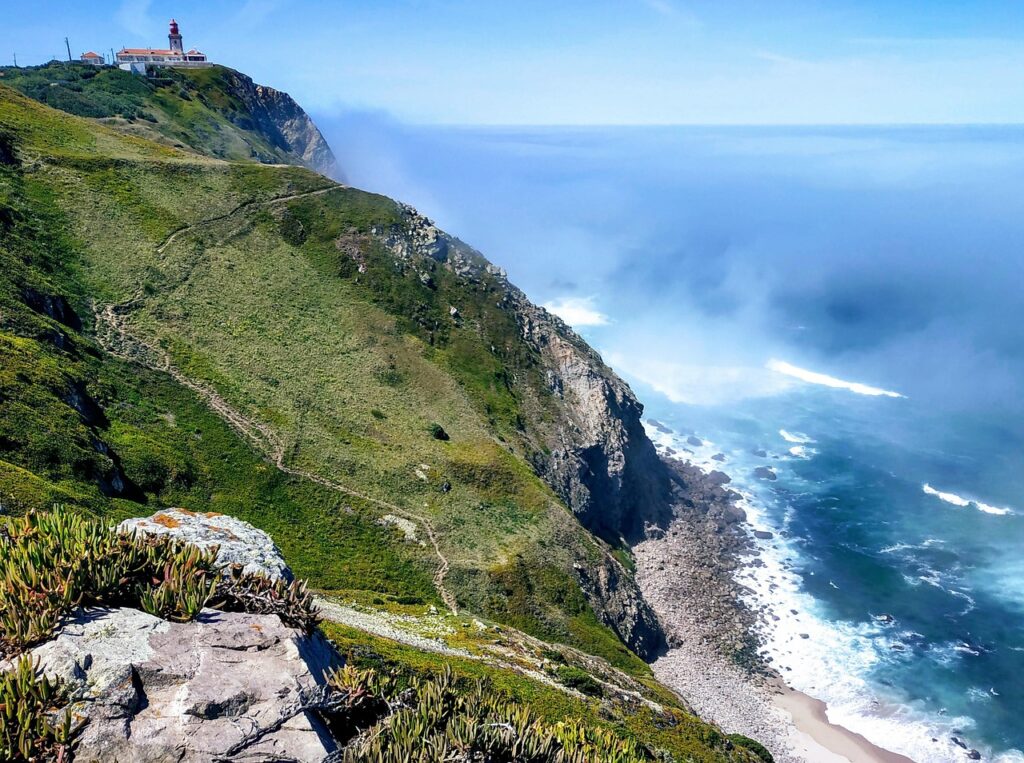
Cabo da Roca is famous as the westernmost point of continental Europe, but there are quieter sectors beyond the main miradouro. Explore the secondary cliff paths east and west of the lighthouse to find isolated viewpoints, distant sea caves and wind-sculpted rock formations. The salty air, crashing waves and seabird colonies create a raw, vertical maritime experience.
Immersive visit: at sunrise and sunset the low light sculpts the granite layers and cliff faces. Watch your step — cliffs can be unstable; keep away from edges and avoid risky photo stunts. Marine fog can roll in suddenly, changing visibility and temperature — pack a warm layer.
Local tips: to avoid the crowds, head out mid-afternoon along the side trails and take the short hike to Praia da Ursa (see section 3). The wind can be strong — secure hats and gear. Souvenir stalls sell basic items at the viewpoint, but bring your own snacks and water if you plan to explore on foot.
3. Praia da Ursa — A wild beach reached by a steep trail
Full name: Praia da Ursa (Ursa Beach), near Cabo da Roca
Address: Access path from Cabo da Roca viewpoint, 2705-001 Colares, Portugal (parking at Miradouro do Cabo da Roca)
Opening hours: Open 24/7. The trail is passable year-round but can be slippery after rain.
Price: Free (note paid parking near the miradouro if you use the official lot).
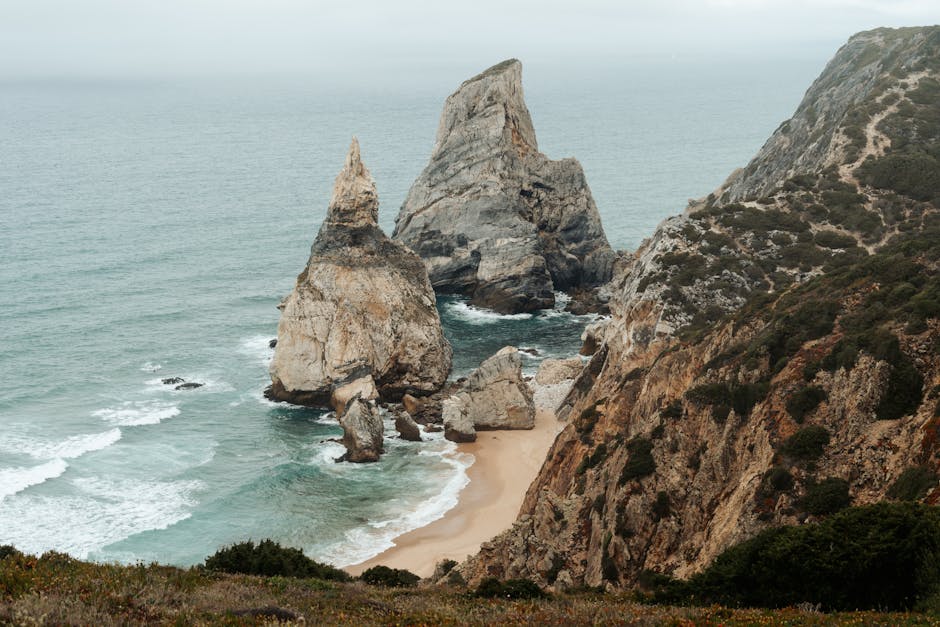
Praia da Ursa is a spectacular, minimally developed beach tucked beneath high cliffs and needle-like rock formations. A narrow, steep trail (allow 20–40 minutes to descend, depending on pace) keeps visitor numbers low. The sand is coarse and mixed with pebbles; waves can be strong, so swimming is not advised for inexperienced swimmers. Rock formations — including a prominent needle known as the “Ursa” — create photogenic contrasts with the sea.
Immersive visit: bring a small bag for the climb back up — the return can be demanding. Move slowly, watch your footing on the rocks and enjoy the changing light that paints golden hues on the stone. Wildflowers and lichens add color to the otherwise austere landscape.
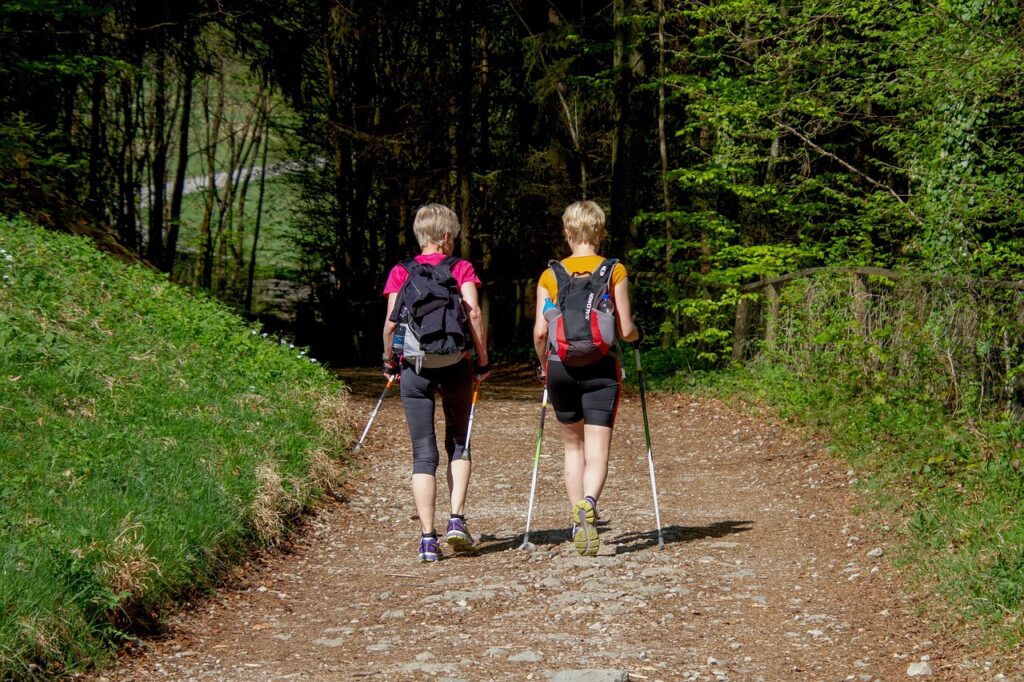
Local tips: good hiking shoes and trekking poles are recommended. Avoid descending when the trail is wet or winds are strong; enjoy the views from the upper miradouros instead. Pack warm clothes and follow a zero-waste approach: no barbecues or open fires are allowed.
4. Tapada Nacional de Mafra — Royal hunting grounds, forest and rural heritage
Full name: Tapada Nacional de Mafra (Royal Hunting Grounds of Mafra)
Address: Tapada Nacional de Mafra, 2640-301 Mafra, Portugal (main entrance via Estr. da Tapada)
Opening hours: Open Tuesday to Sunday, 9:00 to 17:30. Closed Mondays. Hours vary with seasons and guided activities.
Price: Pedestrian access fee €2.00 per day (contribution to maintenance); guided tours and nature circuits €8–12 depending on the option — check the official calendar.
The Tapada Nacional de Mafra is a vast forested estate created for royal hunting in the 18th century, and few Sintra visitors cross the border to explore it. Oak groves, straight avenues and small ponds combine historic features (fences, hunting huts) with wildlife (deer, wild boar, birds) and tranquility. Trails are well marked and ideal for a day of hiking away from Sintra’s tourist density.
Immersive visit: walk the gravel avenues and look for animal tracks. Open meadows alternate with dense copses, creating pockets of light and shade. Wet areas host dragonflies and amphibians; early morning reveals rich bird song. The Tapada also offers mountain biking routes and themed wildlife or history walks.
Local tips: if you’re interested in wildlife, bring binoculars and go at dawn or dusk for better sightings. Respect signs and fences: controlled hunting occurs on a set schedule and some areas may be temporarily closed. Pack a picnic and take rubbish bags — on-site food services are limited.
5. Igreja de São João Baptista de Sintra — A rural chapel and old graveyards
Full name: Igreja de São João Baptista de Sintra (St. John the Baptist Church of Sintra)
Address: Largo do Castilho, 2710-616 Sintra, Portugal (located in residential quarters near the historic center)
Opening hours: Months and hours vary with services; generally open to the public mornings 9:00–12:00 and afternoons 15:00–18:00. Check ahead for special visits.
Price: Free entry (voluntary donations appreciated).
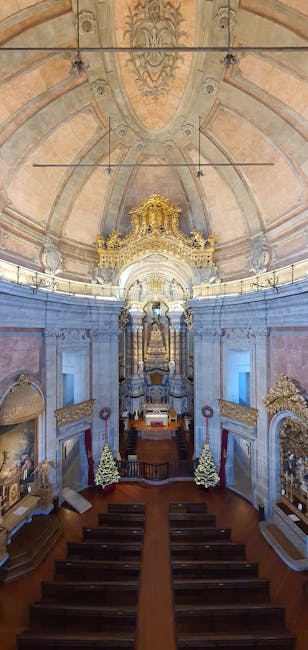
This parish church, less showy than the main tourist monuments, holds deep local history: side chapels, antique azulejos, tapestries and a small cemetery where local families have been buried for centuries. Its architecture mixes late Gothic elements with Baroque renovations. The place’s quiet setting, tucked between calm lanes and private gardens, is a great introduction to Sintra’s ecclesiastical and community life away from the main circuits.
Immersive visit: enter gently, study the azulejos that depict biblical scenes and take time to read the inscriptions in the adjacent cemetery — they tell tales of migration, trades and local events. The church sometimes hosts small sacred music concerts or choral performances for an intimate sensory experience.
Local tips: if you want to attend a mass or a concert, contact the parish office for event schedules. Respect silence and dress codes during services. The neighborhood around the church is perfect for a quiet coffee afterward — look for small family-run cafés down the side streets to sample local pastries.
6. Chalet and Garden of the Countess of Edla — A romantic garden with few visitors
Full name: Chalet and Garden of the Countess of Edla (Chalé e Jardim da Condessa d’Edla)
Address: Rua Marechal Saldanha, 2710-591 Sintra, Portugal (access via the Pena Park, descend to the west)
Opening hours: Open daily from 9:30 to 18:00 (often accessible with the Pena Park ticket; check whether the chalet has separate access on your visit).
Price: Generally included with Pena Park ticket (park ticket ~€14.00; combined palace + park tickets €16–22 depending on options and discounts). Standalone chalet access may vary by season.
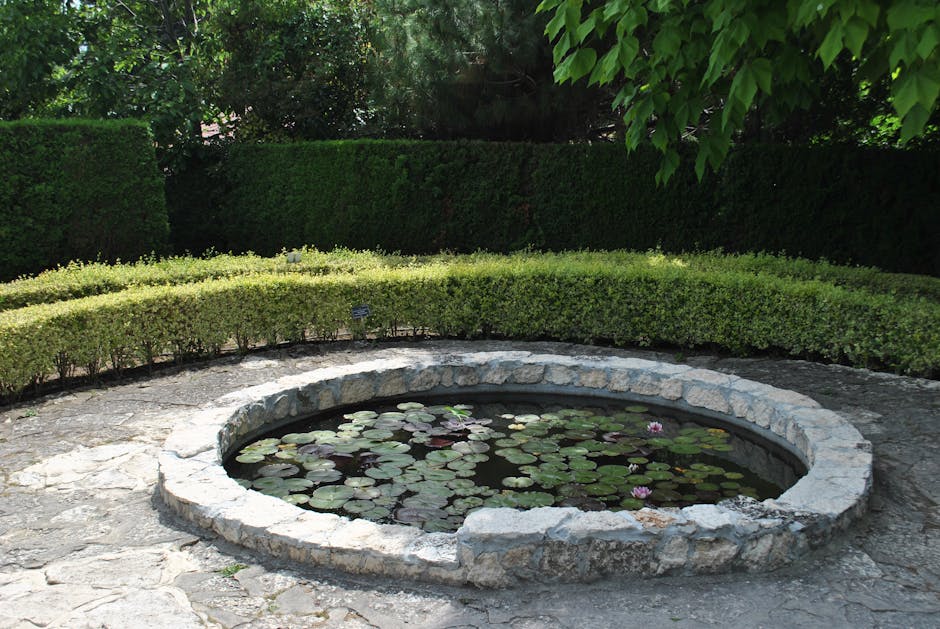
The Countess of Edla’s Chalet is a romantic little gem tucked in Pena Park. Less visited than the major attractions, this restored Alpine-style chalet — commissioned by Countess Elise of Edla — sits in an English garden with rockeries, ponds and exotic trees arranged in a picturesque way. The wooden building, balustrades and period furniture feel like an Alpine retreat transplanted into the Sintra hills.
Immersive visit: stroll the garden paths, sit by a pond and listen to the birds. The botanical mix creates textures and scents ideal for macro photography and landscape compositions. Misty mornings enhance the romantic, slightly dreamlike atmosphere.
Local tips: pair this visit with a walk around Pena Palace and plan for morning light. Take an audio guide or a printed guide to learn about the countess and her influence on the garden’s design. Note the chalet can close temporarily for restoration — check the park website before you leave.
7. Aldeia de Janelas Verdes — A hamlet and rural walks in the Serra
Full name: Aldeia de Janelas Verdes (Green Windows Hamlet) — near Sintra hills
Address: Small hamlet located off Estrada da Pena, coordinates approximate: 38.7979° N, 9.3901° W (access via local roads from Sintra Centre)
Opening hours: The hamlet has no fixed hours; local shops open in the mornings and early afternoons depending on the day.
Price: Free to wander; purchases and services cost as per local businesses.
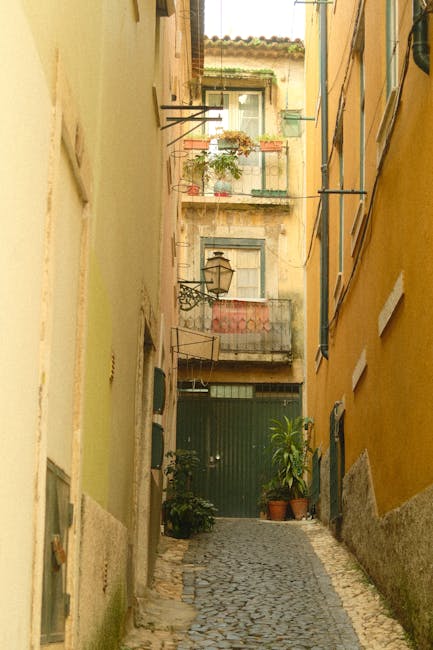
Aldeia de Janelas Verdes is a tiny cluster of white houses with colorful shutters tucked into the slopes of the Serra de Sintra. The village doesn’t feature on every tourist map, making it ideal for observing rural life, vernacular architecture and mountain vegetable gardens. Narrow lanes, stone walls and terraced plots paint a picture of traditional Portugal, far from the crowds.
Immersive visit: wander without an agenda, chat with locals if the chance arises (many are welcoming and happy to share stories and recipes). Look for scattered artisan workshops — glassblowing, woodturning or small weaving studios. Views from the hamlet’s higher points open onto valleys and surrounding woods.
Local tips: respect residents’ privacy; photograph discreetly and always ask permission for portraits. Trails around the hamlet lead to panoramic hills — plan your walk so you’re not returning after dark, as public lighting is limited. Carry a few euros in cash for small purchases from artisans.
8. Praia do Magoito — A calm beach beloved by local surfers
Full name: Praia do Magoito (Magoito Beach)
Address: Estr. da Praia do Magoito, 2710-405 Colares, Portugal (parking and access via a street parallel to the coast)
Opening hours: Open 24/7. Seasonal services (lifeguards, cafés) run from May to September depending on demand.
Price: Free (some private parking fees or municipal rules may apply seasonally).
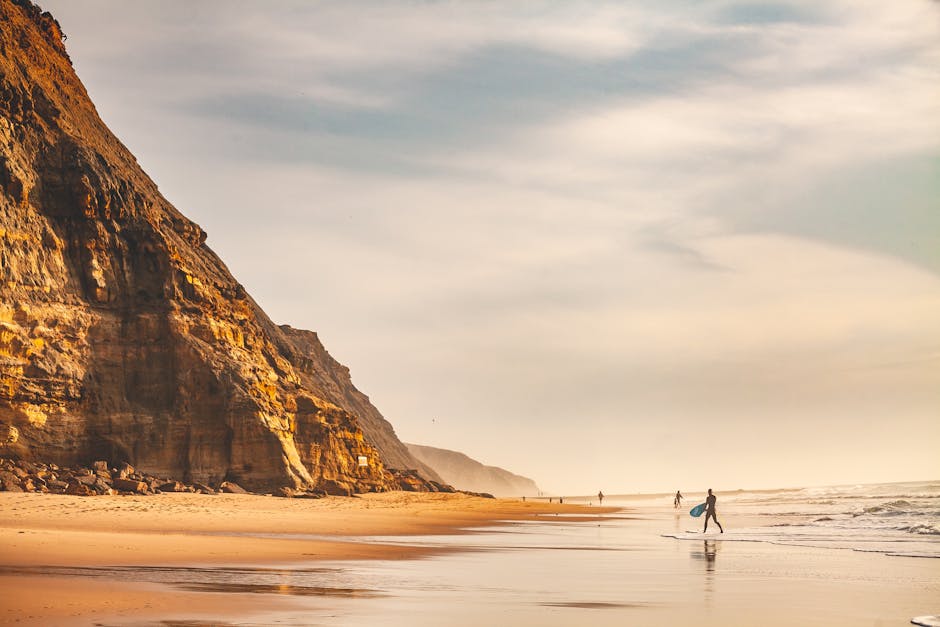
Praia do Magoito is a long sandy beach, less crowded than the better-known beaches near Cascais. The vibe is local and relaxed — surfers enjoy a reliable beach break and the area is prized for big tides and golden cliffs. The beach also has dune walks and sheltered picnic spots. Seabird calls and the smell of salt make it a soothing place to spend a day.
Immersive visit: check local surf reports if you plan to go in the water or simply watch boards in action. Late-afternoon light warms the cliffs and casts long shadows on the sand. Locals fill the beach on weekends; on weekdays it can feel nearly deserted.
Local tips: parking is limited in high season, so arrive early. Park only in designated spots to avoid fines. Respect protected natural zones and don’t light fires. Photographers will find strong compositions in surfer action and cliff silhouettes against the sea.
9. Monserrate Palace Gardens Hidden Corners — Exotic gardens and shady lanes
Full name: Palácio de Monserrate and Gardens (Monserrate Palace and Gardens)
Address: Parque de Monserrate, 2710-405 Sintra, Portugal
Opening hours: Usually open daily from 9:30 to 18:00 (annual closures vary — check before visiting).
Price: Palace + gardens around €8.00 (reduced rates for students and seniors), gardens alone often €6.00. Prices may change.
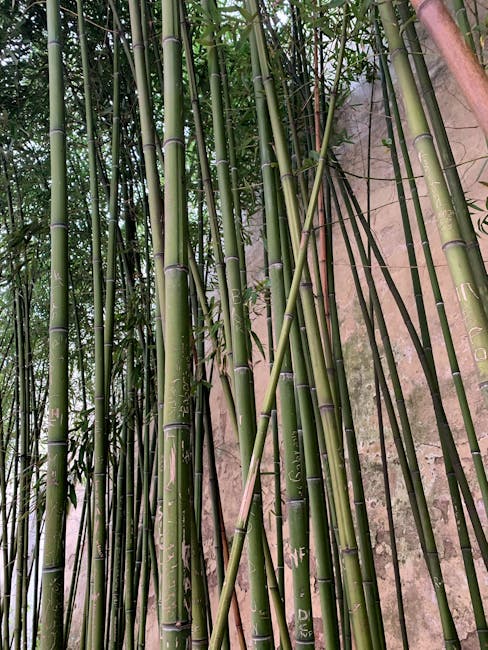
Monserrate Palace attracts visitors for its architecture and park, but many don’t explore the garden’s hidden corners: fern-filled grottoes, bamboo groves, small stone bridges and winding paths that lead to unexpected viewpoints. The botanical park hosts a collection of introduced species (palms, cedars, rhododendrons) creating a lush microcosm. Its meandering layout invites slow discovery and surprises around each bend.
Immersive visit: follow side paths, put your map down and use your senses. Shadier spots hold pleasant humidity and vegetal scents that mingle with the palace’s azulejos. Climb to higher park points for views over the Serra and places where the vegetation opens onto the valley.
Local tips: arrive mid-day for rich light but avoid the hottest early afternoon if you prefer coolness. Hidden benches are perfect for reading or a discreet picnic. Consider a combined ticket if you also want to visit the palace — it can save money in some seasons.
10. Azenhas do Mar — Coastal village, viewpoints and cliffside houses
Full name: Azenhas do Mar Village and Viewpoints (Azenhas do Mar, Colares)
Address: Azenhas do Mar, 2705-508 Colares, Portugal (parking along the coastal road or a small village lot)
Opening hours: The village is accessible at all times. Restaurants and cafés follow seasonal hours (typically 10:00–22:00 for many places in summer).
Price: Free to stroll. Dining costs vary (average €12–25 per person at a local restaurant).
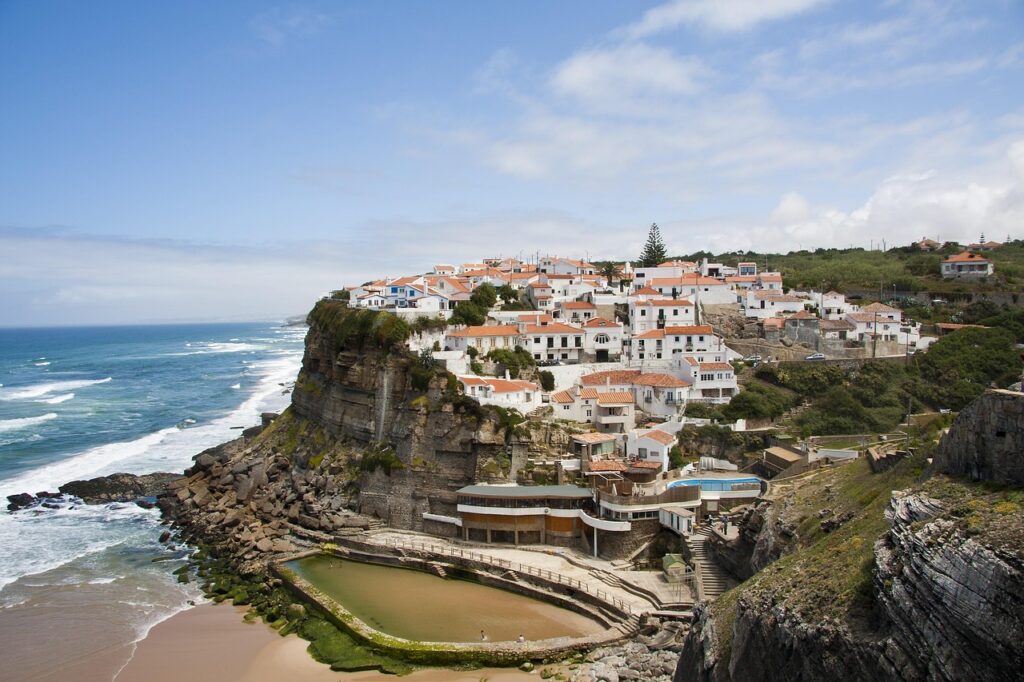
Azenhas do Mar is a photogenic coastal village built on a cliffside, with white houses stacked above a rocky cove. Less famous than some seaside towns, it still offers great viewpoints, little sheltered beaches and seafood restaurants that work with the tides. The village has retained strong authenticity. Natural rock pools carved by the sea let you swim safely at low tide.
Immersive visit: wander the terraces to capture the stair-step architecture, descend to the cove to listen to the water and watch local fishermen at work. The viewpoints are particularly photogenic in late afternoon when white facades pop against the blue ocean.
Local tips: try grilled fish or a caldeirada at a small family eatery and reserve in high season. Park carefully and don’t leave valuables in sight. For peace, walk the coastal paths that lead to less visited stretches of shore.
Conclusion — Planning an off-the-beaten-path itinerary from Sintra
Exploring Sintra’s lesser-known spots takes a bit of planning but offers a rich contrast to mass tourism. The ten sites here create a varied set of experiences: ascetic hermitages like Convento dos Capuchos, wild beaches such as Praia da Ursa, historic estates like Tapada Nacional de Mafra and charming coastal villages like Azenhas do Mar. Each provides a different angle — contemplation, hiking, rural immersion, wildlife watching or seaside relaxation.
To plan your visit, a few practical suggestions: first decide how you’ll get around. A rental car makes isolated sites easier to reach (Praia da Ursa, the lateral areas of Cabo da Roca, Aldeia de Janelas Verdes), though several places remain accessible by public transport and taxi. Check official opening hours before you go — small sites and restoration works may temporarily change access. Always carry water, snacks, a small first-aid kit, a windproof layer and sturdy shoes for rocky, often wet trails. Weather in the Serra de Sintra can change quickly; bring layers and don’t rely solely on a clear sky at departure.
On ethics and preservation: follow local rules — leave no waste, don’t pick plants, obey signs and avoid unstable cliffs. These fragile places need respect to stay intact for future generations. Consider supporting site maintenance through requested contributions (small entrance fees) or by buying local products in the villages you visit.
Finally, leave room for the unexpected. Some of the best moments happen off-plan: exceptional golden-hour light, meeting an artisan or a moment of total silence in a chapel. These lesser-known spots around Sintra reward slowness, listening and curiosity. Follow these suggestions and you’ll return with a richer, more intimate view of the region — memories of wild landscapes, secret gardens and villages where time seems to stretch a little more slowly.