





Introduction — Sintra: One Day, Many Routes
Sintra is one of Portugal’s most photogenic and culturally rich gems, less than an hour from Lisbon. A UNESCO World Heritage site, this compact mountain town is packed with romantic palaces, lush gardens, medieval castles and dramatic coastal viewpoints. But how do you plan your day or short stay depending on how you get there? This practical, detailed guide lays out sample itineraries tailored to visitors arriving by train, car, organized bus/shuttle, bike (or e‑bike) and on foot/hiking. Each approach brings different time, budget and effort considerations — I include exact addresses, indicative euro prices, typical opening hours, local tips and vivid descriptions so you know what to see, where to eat and how to avoid queues.
A quick orientation before we dive in: Sintra’s core concentrates four must‑see sites close to each other but often separated by steep elevation changes: Palácio Nacional da Pena (Palácio Nacional da Pena, Estrada da Pena, 2710-609 Sintra), the Moorish Castle (Castelo dos Mouros, Rua da Ferraria, 2710-405 Sintra), Quinta da Regaleira (Quinta da Regaleira, Rua Barbosa do Bocage, 2710-567 Sintra) and the National Palace of Sintra (Palácio Nacional de Sintra, Largo Rainha Dona Amélia 1, 2710-616 Sintra). The nearby coastline, including Cabo da Roca (Estrada do Cabo da Roca, 2705-001 Colares), offers striking ocean views if you have a vehicle or time for an excursion.
Prices and hours below are indicative (2026): standard tickets for Palácio da Pena roughly €14–16 (general admission), Quinta da Regaleira ~€10, Castelo dos Mouros ~€8–9, Palácio Nacional de Sintra ~€10, Palácio de Monserrate ~€8–9. Museums and monuments usually open between 9:30–10:00 and close between 17:30–19:00 depending on season; it’s recommended to buy skip‑the‑line tickets online for Pena and Regaleira in high season. Transport: train from Lisbon (Rossio → Sintra) about €2.25 one way (CP – Comboios de Portugal), local Scotturb buses (line 434 to Pena / 403 to Cabo da Roca) cost roughly €3–6 depending on route.
For each transport mode this guide offers: a sample schedule, practical tips (best times to avoid crowds, where to park, how to save money), addresses and prices, plus local recommendations for a more authentic experience. I also add visual cues to help you pick the best photo ops. Pick the route that fits your energy, weather and priorities: panoramas, heritage, gardens or wild coasts.
1) Sample Itinerary by Train from Lisbon (easy day trip, no car)
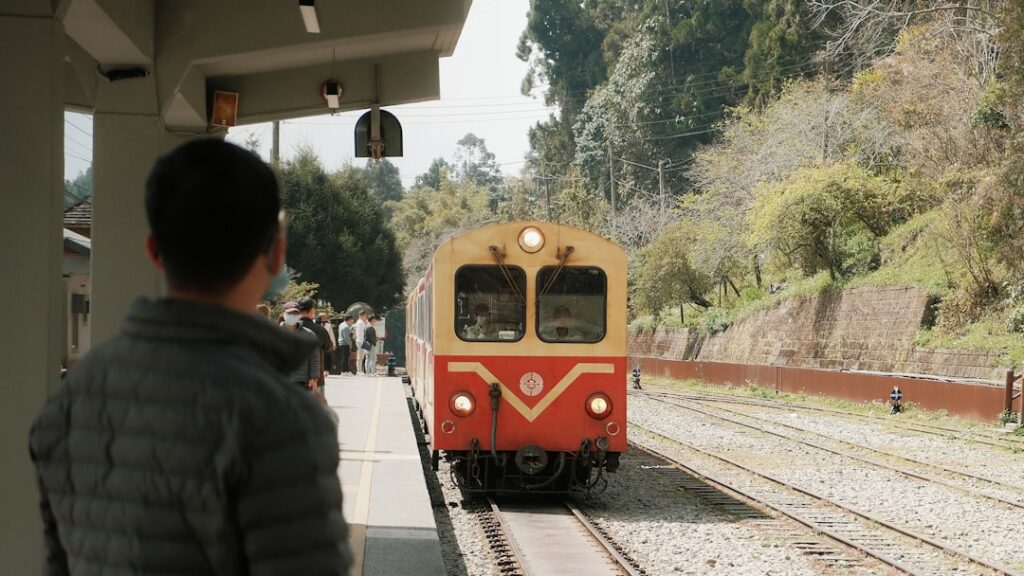
The train is the simplest and most budget‑friendly way to reach Sintra from Lisbon. Catch the train at Rossio station (Praça Dom Pedro IV, 1100‑200 Lisboa): the CP (Comboios de Portugal) Rossio → Sintra line runs roughly every 20–30 minutes. Approx fare: ~€2.25 one way (single zone ticket). Travel time: 40–45 minutes. When you arrive at Sintra station (Praça Dr. António de Almeida Santos, 2710‑616 Sintra), you’re right in the historic center.
Sample timed itinerary (early start, ideal for a full day):
- 8:00 — Depart Rossio (Lisbon). Bring water and comfy shoes.
- 9:00 — Arrive in Sintra. Breakfast at Café Saudade (Rua das Padarias 2, 2710‑576 Sintra) — pastel de nata ~€1.50, coffee ~€1.20.
- 9:30–11:30 — Palácio Nacional de Sintra (Largo Rainha Dona Amélia 1, 2710‑616 Sintra). Hours: 9:30–18:00 (seasonal). Price: ~€10. What to expect: medieval rooms, distinctive conical chimneys and a deep royal history.

To get up to Palácio da Pena and Castelo dos Mouros, take the local Scotturb bus line 434 (stop outside the train station; journey ~15–20 minutes, fare ~€3.80 one way if bought on board). Buses are convenient but queues grow in high season; aim to leave as early as possible. Arrival at the Pena parking area:
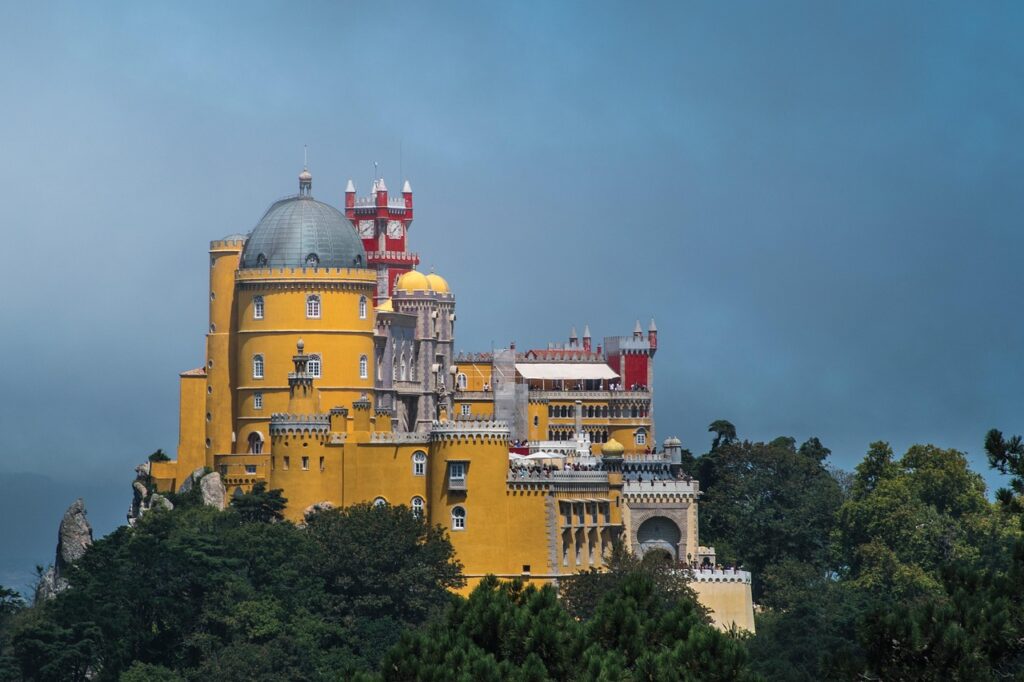
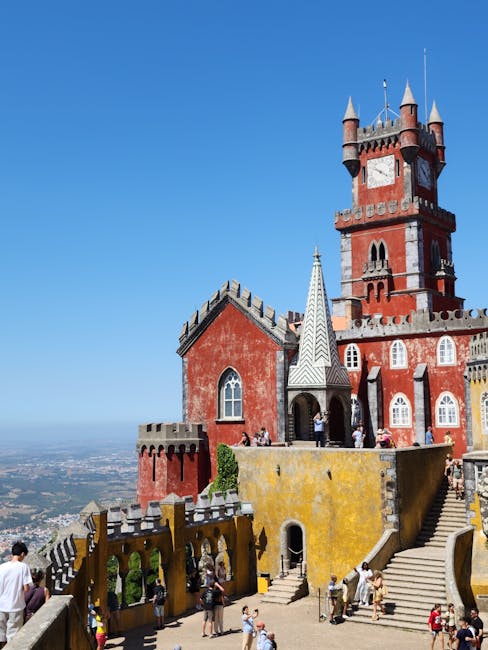
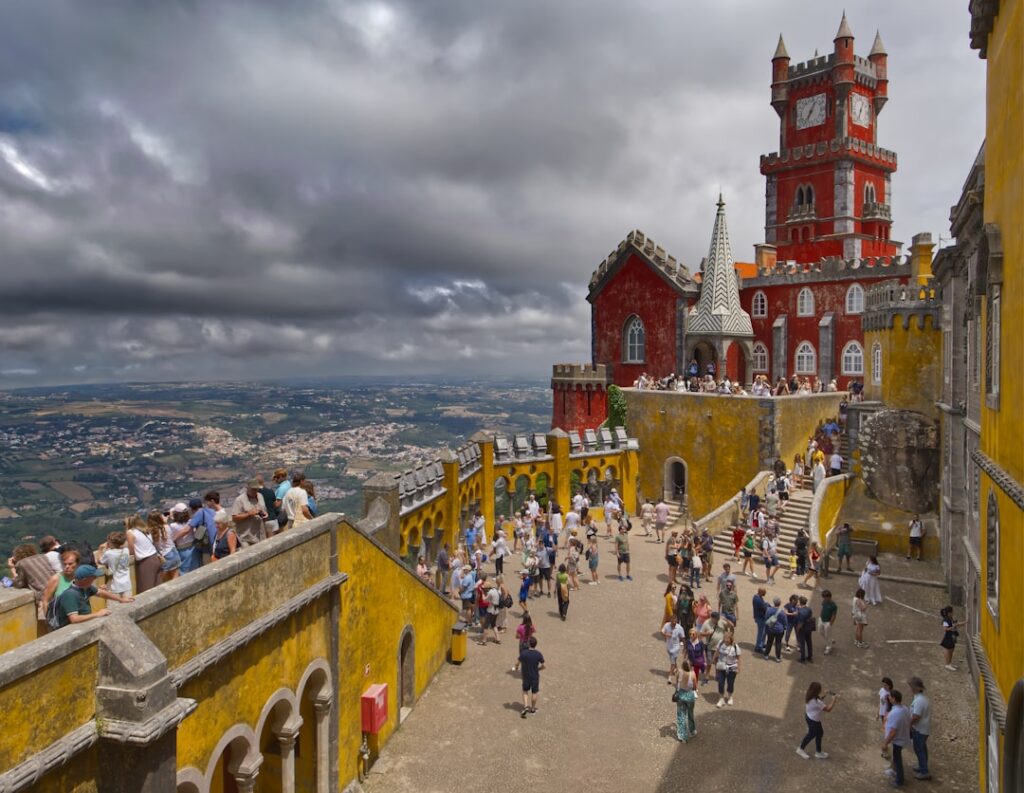
- 11:45–14:00 — Palácio Nacional da Pena (Estrada da Pena, 2710‑609 Sintra). Hours: 9:30–18:30 (high season). Price: general admission €14–16 (reduced rates for students/children). Vibe: colorful domes, sweeping terraces and romantic gardens. Allow 1.5–2 hours.
- 14:15–15:15 — Castelo dos Mouros (Castelo dos Mouros, Rua da Ferraria, 2710‑405 Sintra). Hours: 9:30–18:30. Price: ~€8–9. Walk the ramparts for spectacular views over the coast and wooded valleys.
Afternoon:
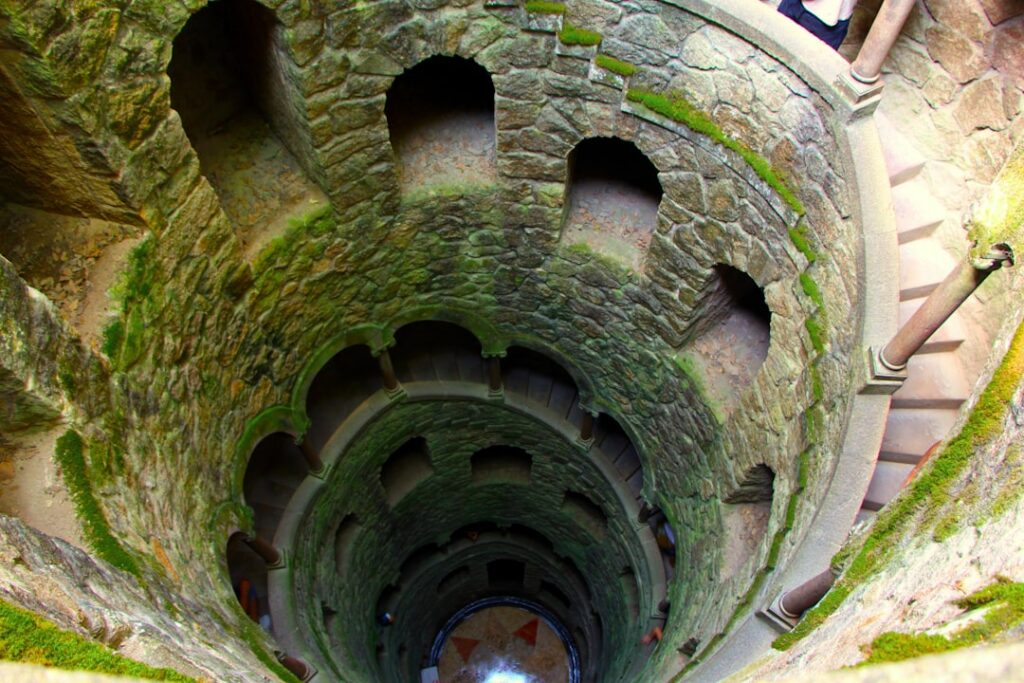
- 15:45–17:00 — Quinta da Regaleira (Rua Barbosa do Bocage, 2710‑567 Sintra). Hours: 10:00–18:30 (check season). Price: ~€10. Don’t miss the Initiation Well, the grottoes, the chapel and the labyrinthine gardens.
- 17:30 — Head back to the station for the 18:00 train to Lisbon. Optionally have dinner in Sintra or return to Lisbon.
Local tips: buy Pena and Regaleira tickets online in advance to skip lines; bring a windproof jacket (there’s a mountain microclimate); get a rechargeable Viva Viagem card if you’ll use multiple public transport services. You’ll walk a lot between central sites but climbs are steep — favor the 434 bus up to Pena.
2) Sample Itinerary by Car (maximum flexibility, coastline included)
Driving gives you the most freedom: you can combine palaces with the coast (Cabo da Roca, Praia da Ursa) and set your own schedule. From Lisbon take the A37 then the N117 (about 30–40 km depending on where you start); drive time 30–40 minutes without traffic. Rentals are plentiful in Lisbon. In Sintra, parking in the historic center is limited and paid — favor official car parks or park-and-ride lots such as Parque de Estacionamento da Portela de Sintra (Estrada da Liberdade/Praça da República). Parking cost: €2–3 per hour in central zones, free parking available further out.
Sample timed itinerary by car (full day):
- 8:30 — Leave Lisbon. Arrive by 9:15 at Palácio da Pena (Estrada da Pena, 2710‑609 Sintra). Park early: official parking is paid (~€3–6/day depending on spot); consider parking in the lower lot and walking or taking the mini‑bus up.
- 9:30–11:30 — Palácio Nacional da Pena — getting the first morning slot makes for photos with fewer people. Price: €14–16. Recommended visit length: 1.5–2 hours.
- 11:45–12:30 — Castelo dos Mouros — a 10‑minute drive. Wander the ramparts and soak up the panoramas.
After the historic center:
- 13:00–14:00 — Lunch in the historic center, for example Cantinho Gourmet (Largo do Palácio, 2710‑616 Sintra) — local dishes include bacalhau and petiscos; main courses typically €12–20.
- 14:30–15:30 — Quinta da Regaleira (Rua Barbosa do Bocage, 2710‑567 Sintra). Parking nearby (small fee). Price ~€10.
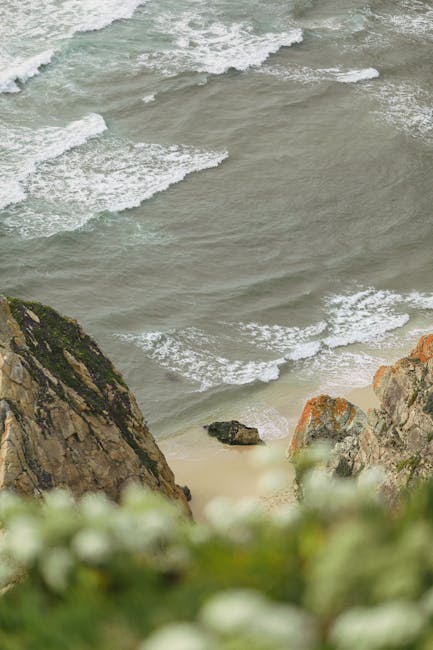
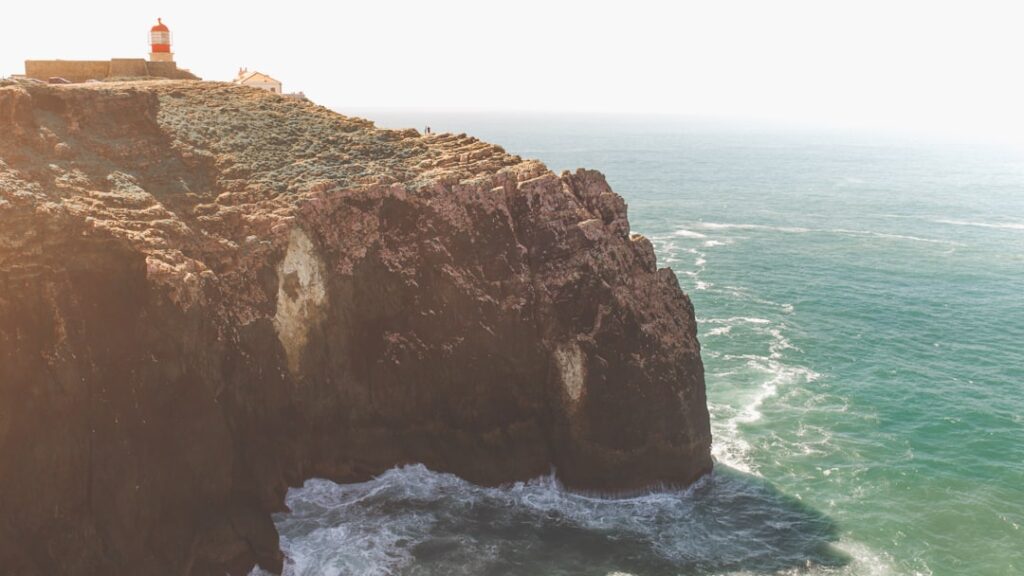
- 16:15–17:30 — Coastal drive to Cabo da Roca (Estrada do Cabo da Roca, 2705‑001 Colares) — limited free parking. Walk the clifftop for sunset photos if your timing allows. Access to Praia da Ursa involves a steep trail of about 20–30 minutes; wear sturdy shoes.
Pros and tips: a car lets you reach Cabo da Roca and remote beaches; however, town driving can be slow and parking expensive. Avoid peak summer weekend traffic in the mornings and late afternoons — aim to arrive early. Book key monument tickets in advance to keep your schedule flexible. If renting, check any traffic restrictions in the historic center and avoid narrow alleys. Take offline GPS and a map for coastal tracks.
3) Sample Itinerary with an Organized Bus or Shuttle (easy, low logistics)
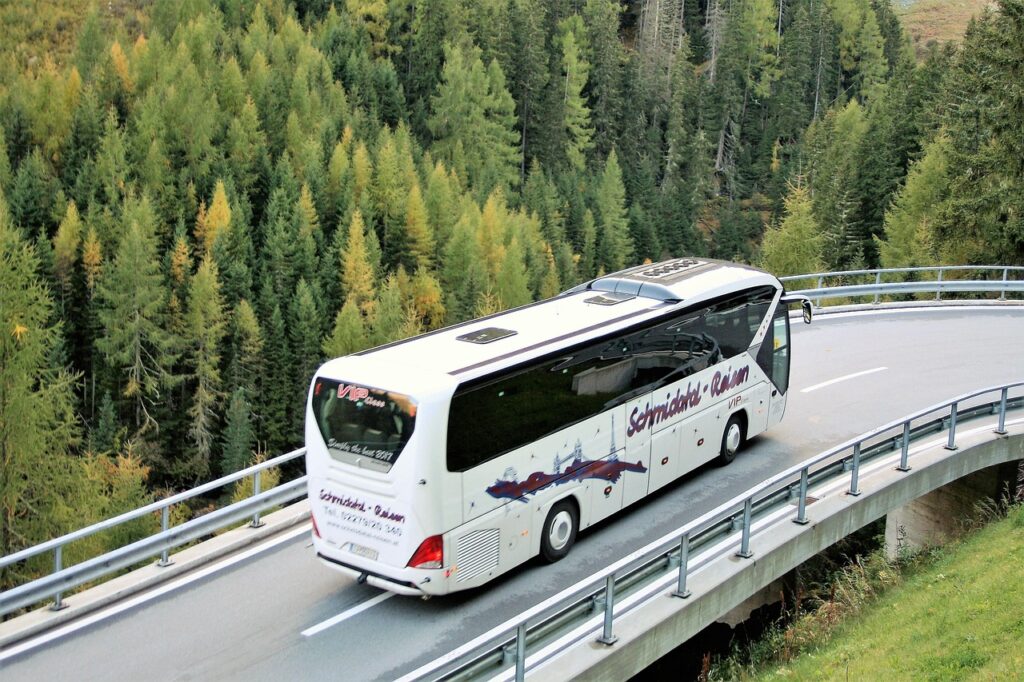
If you want efficiency without the hassle of driving or coordinating public transit, organized buses or shuttles (day trips from Lisbon) are a great choice. These tours often include hotel pickup, skip‑the‑line tickets for some sites and a guide. Local operators run day tours with 3–5 stops: Palácio da Pena, Castelo dos Mouros, Quinta da Regaleira, the historic center and sometimes Cabo da Roca. Price range: €40–70 per person depending on included sites and season.
Typical organized‑tour schedule:
- 8:00–8:30 — Pickup in Lisbon (common meeting points: Praça do Comércio or central hotels). Air‑conditioned coach.
- 9:30–11:00 — Palácio Nacional da Pena (entry sometimes included, otherwise free time; standard price €14–16). The guide will give historical and photographic highlights.
- 11:15–12:15 — Castelo dos Mouros (quick visit along the ramparts; time for photos).
- 12:30–13:30 — Lunch break in the center (meal included or free depending on the package).
- 14:00–15:30 — Quinta da Regaleira (guided visit often included, covering the Initiation Well and local esoteric myths).
- 16:00–17:00 — Optional stop at Cabo da Roca (quick photo stop at the Atlantic edge) then return to Lisbon around 18:30.
Benefits and tips: tours are convenient if you’re short on time and want a guide to explain the historical and architectural context. Double‑check what’s included (entry tickets, lunch), the group size (aim for ≤25 people for a better experience) and how long stops last — some tours only skim the highlights. For a more personalized trip choose a small‑group or private tour (private half‑day options typically €100–250 depending on group size).
4) Sample Itinerary by Bike or E‑bike (active and scenic)
Sintra and its surroundings offer scenic roads for fit cyclists or those renting an e‑bike to ease the climbs. Routes that mix coastal stretches and hills give a great blend of romantic architecture and wild nature. Rentals: many shops in Sintra and Cascais rent standard and electric bikes (prices: standard bike ~€15–25/day, e‑bike ~€30–60/day). Recommended rental: Sintra Bike Rentals (Rua Consiglieri Pedroso 12, 2710‑597 Sintra) — check availability and book ahead.
Sample e‑bike day route:
- 9:00 — Start from the center (Sintra train station). Pick up your e‑bike and check battery range. Rentals often include a map and helmet.
- 9:30–11:30 — Climb to Palácio da Pena (Estrada da Pena). E‑bikes make the steep ascents manageable. Entrance price: €14–16.
- 11:45–12:30 — Castelo dos Mouros — short stops for photos along the ramparts.
- 13:00 — Descend to the center for lunch (Rua das Padarias or Largo da República).
- 14:30–16:00 — Ride to Cabo da Roca via N247/EN247, a spectacular coastal stretch — be mindful of wind and road signage. Possible stop at Praia da Adraga (Praia da Adraga, Colares) for a swim or snack.
- 16:30–18:00 — Return via Azenhas do Mar (Rua do Cabo, 2705 Colares) or head towards Cascais depending on battery and fitness.
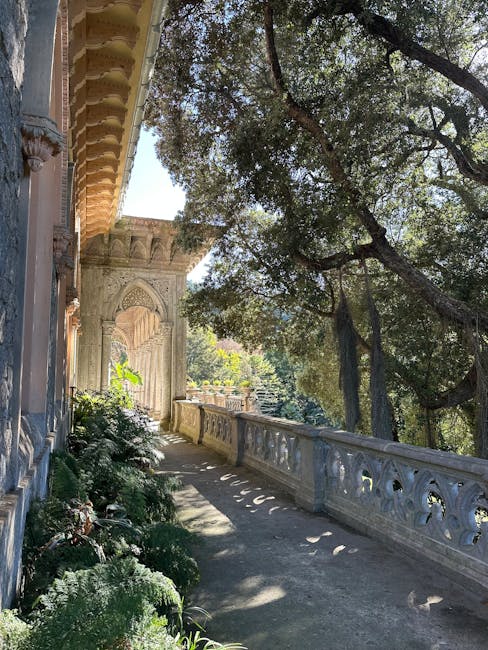
Practical tips: wearing a helmet is highly recommended; bring a pump and repair kit if you rent a standard bike. Strong coastal winds can drain e‑bike batteries faster. Stick to secondary roads where possible — some descents are technical. Reserve e‑bikes between April and October for best weather; off‑season rain and cold can make riding unpleasant. If you plan to visit several monuments, check whether you can lock or leave your bike outside — some sites require bikes to stay outside the entrance.
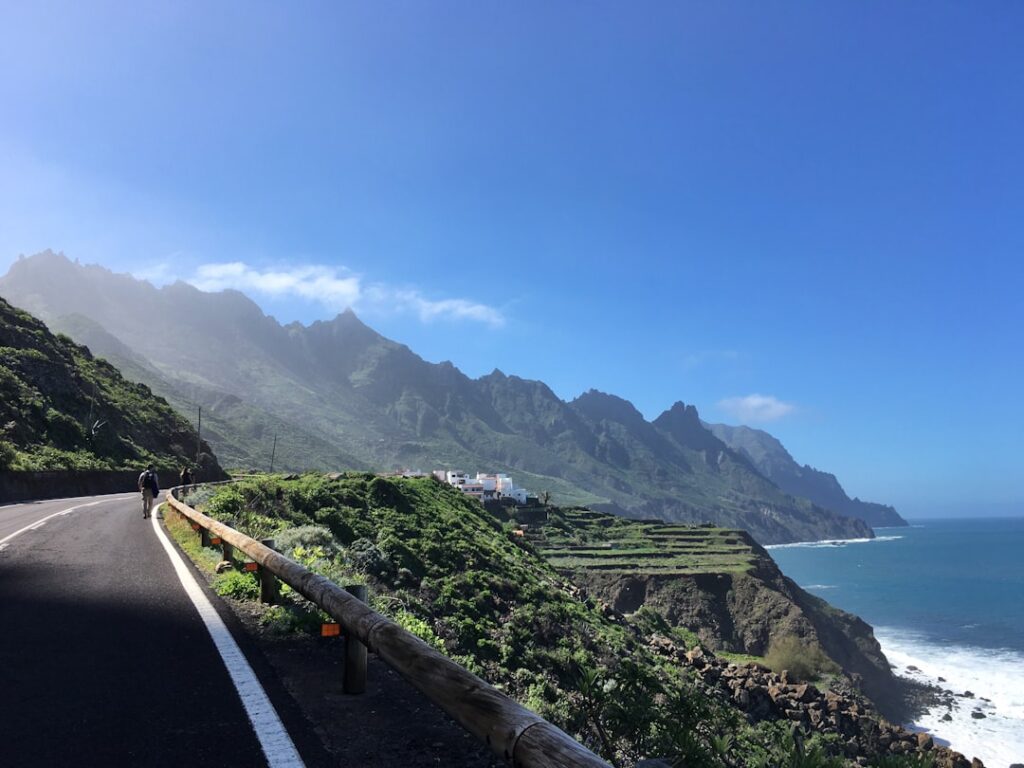
5) Sample Itinerary on Foot / Hiking (for nature lovers)
Sintra’s hilly layout makes hiking especially rewarding: forest trails, romantic scenery and elevated viewpoints. Ideal if you have multiple days or are an experienced hiker. The best‑known paths in the Serra de Sintra network link Palácio da Pena, Castelo dos Mouros, Palácio de Monserrate (Palácio de Monserrate, Rua Dr. Alfredo Costa, 2710‑405 Sintra) and the coast via mountain tracks.
Typical strenuous one‑day hike:
- 8:30 — Start from the Historic Center (Sintra station). Carry water, a map or GPS — the microclimate can reduce visibility.
- 9:30–11:00 — Trail up to Palácio da Pena (through pine forests and heather). Tough ascent; hiking boots recommended.
- 11:15–12:15 — Quick visit to Palácio da Pena.
- 12:30–13:30 — Descend along the ridge trail to Castelo dos Mouros and picnic on the ramparts.
- 14:00–16:30 — Hike toward Palácio de Monserrate and its exotic gardens, then descend to the valley. Monserrate’s romantic gardens show oriental and gothic influences; entrance ~€8–9.
- 17:30 — Return to the center or continue to the coast depending on your energy.
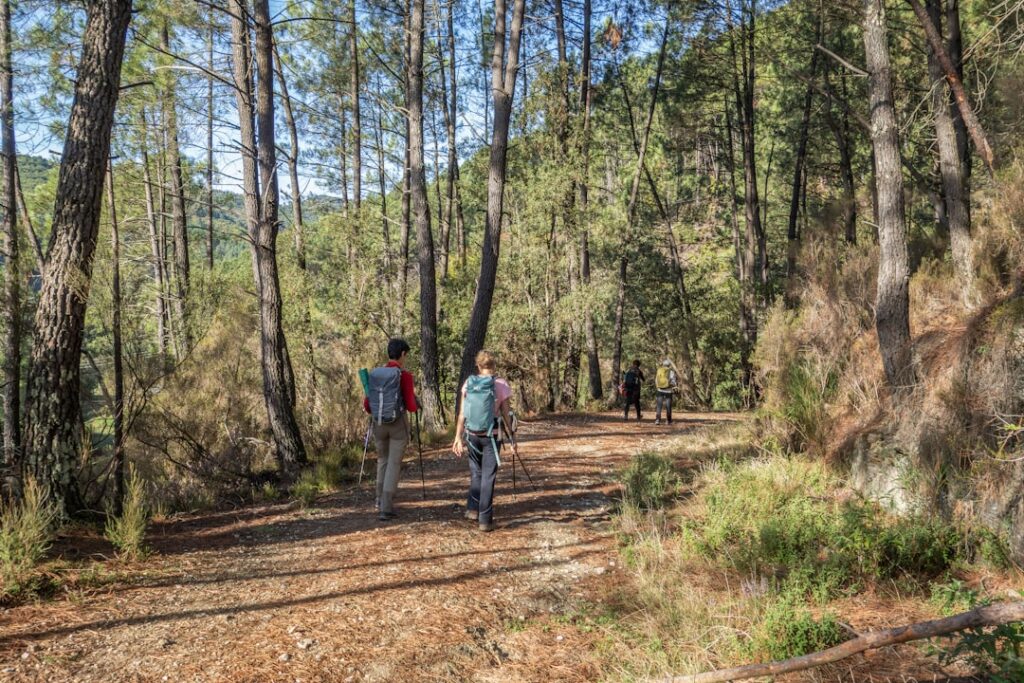
Local tips: start early to avoid heat and the clouds that often rise midday. Trails can be muddy after rain — bring waterproof footwear. Respect signage — some areas are protected. The payoff of trekking is full immersion: you’ll see Sintra away from the crowds, enjoy unique viewpoints and encounter native flora (heather, maritime pines). Pack provisions and tell someone your route if you set out alone.
Conclusion — Pick the Route That Matches Your Pace and Interests
Sintra suits every travel style: the simplicity of the train for a hassle‑free escape, the freedom of a car for combining palaces and coast, the convenience of an organized bus to maximize time, the energy of a bike or e‑bike for an active scenic day, and the deep immersion of hiking for nature lovers. Each mode has pros and cons: the train is economical but needs smart planning to save time between sites; driving is flexible but can be hampered by parking; a guided tour spares you logistical details; cycling offers active discovery and hiking delivers authenticity and quiet.
To make the most of Sintra: arrive early, buy online tickets for the most popular monuments (Palácio Nacional da Pena, Quinta da Regaleira), wear appropriate shoes, pack a jacket and water, and leave time to wander the historic lanes (Largo Rainha Dona Amélia, Rua das Padarias). If your schedule allows, spread your visit over two days: dedicate a half‑day to palaces and gardens and another half to the coast (Cabo da Roca, Praia da Ursa) for a complete experience.
Finally, follow local rules: stay on marked trails in nature reserves, use official car parks, and support the local economy by sampling specialties (trouxas de Sintra, queijadas). Sintra remains a place of architectural and natural magic — choosing the right route for your transport mode will ensure a memorable day, whether you’re after a romantic stroll, cultural immersion or an outdoor adventure.