





Introduction — Forget Pena: Rethinking Sintra Beyond the Red Palace
For many people, Sintra has become shorthand for a single image: the Palácio Nacional da Pena, that pink-and-yellow igloo-fortress perched on the hill, visible from the road and swarmed by tourists at the first hint of sunshine. But reducing Sintra to Pena misses an entire valley of surprises — places rich in intimate history, secret gardens and wild cliffs. This counter-guide isn’t an anti-tourism rant: it offers a practical, nuanced take on the area, explaining why Pena can feel overrated for some visitors, and—crucially—presenting concrete, local alternatives you can actually go see.
Why challenge the tourism orthodoxy? First, because Pena draws huge crowds—queues, coach buses, selfie stations—that turn the visit into crowd control. Second, Sintra’s history and landscape go far beyond a 19th-century romantic palace: there are monasteries, botanical gardens, wild beaches and smaller palaces that feel more personal. And finally, many visitors leave disappointed: they’ve seen the colorful façade from a distance, paid a steep ticket, and spent more time hunting a photo angle than feeling the place.
I’m not saying Pena has no value — far from it: its silhouette is unique and its architectural story is fascinating. But if you want a richer, calmer, more authentic experience, widen your itinerary. In this anti-guide, each section starts by explaining why a popular spot or idea is overrated, then gives a real alternative: exact name, full address, approximate price in euros, opening hours, an immersive description and local tips to get the most out of it.
Expect precise addresses (yes, street numbers), indicative prices (rates change; I’ll flag that), and insider tips (best times, walking routes, off-season variations). This isn’t exhaustive but a mental map for rediscovering Sintra for people who want to avoid the crowds and savor the region as a living place, not just a backdrop for Instagram.

1) Why Pena Is Overrated — Alternative: Quinta da Regaleira (mystery and intimacy)
Why Pena is overrated: Pena is impressive because it dominates the skyline and mixes styles in a theatrical way, but the experience often feels hollow. Getting there usually means queuing for the shuttle or parking, jostling around photo spots, and a visit that in high season resembles a checklist more than a stroll. The 19th-century symbolism is real, but the tourist density erases architectural detail and quiet reflection.
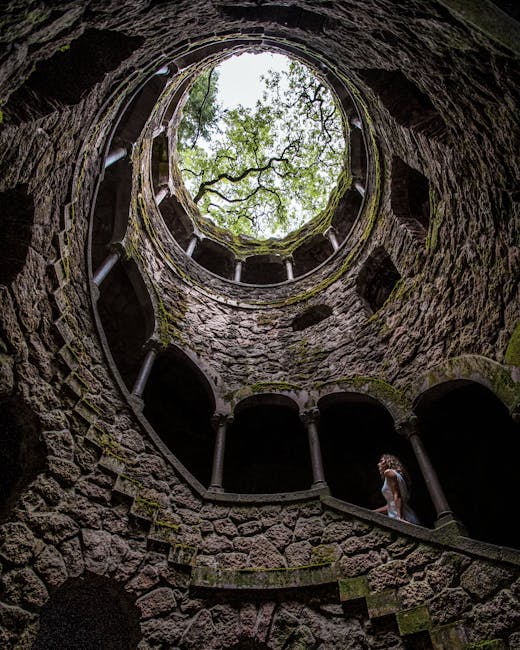
Recommended alternative — Quinta da Regaleira: This estate condenses Sintra’s mysterious romanticism: caves, initiatory tunnels, an iconic well, lush gardens and an almost magical atmosphere that unfolds slowly rather than being consumed at a glance.
Quinta da Regaleira — Practical details
- Exact name: Quinta da Regaleira
- Address: Rua Barbosa do Bocage 5, 2710-567 Sintra, Portugal
- Price: Adult ticket around €12 (garden + palace; reduced rates for students and seniors)
- Opening hours: Generally open 10:00–18:30 (hours vary by season; shorter winter hours)
Why it works better: the Quinta is primarily a sensory and narrative experience. The famous Initiation Well drops you into darkness via spiral steps; you wander moss-covered passages and lose yourself in groves that invite daydreaming. Crowds are easier to manage: even at busy times, the spread-out gardens reduce the sense of being in a pack. Tip: arrive right at opening (10:00) to enjoy soft light and mostly empty corners. Move slowly and follow a non-linear route — this place is built to be explored, not just photographed.
2) The Moorish Castle Is Popular but Limited — Alternative: Sintra-Cascais Natural Park and Cabo da Roca
Why the Castelo dos Mouros is overrated: The Moorish Castle promises medieval immersion and great views — and it delivers — but it’s often treated as a quick photo stop followed by a rushed return to the bus. Access routes can be congested and if you stick to the main wall you’ll miss the broader coastal landscape.
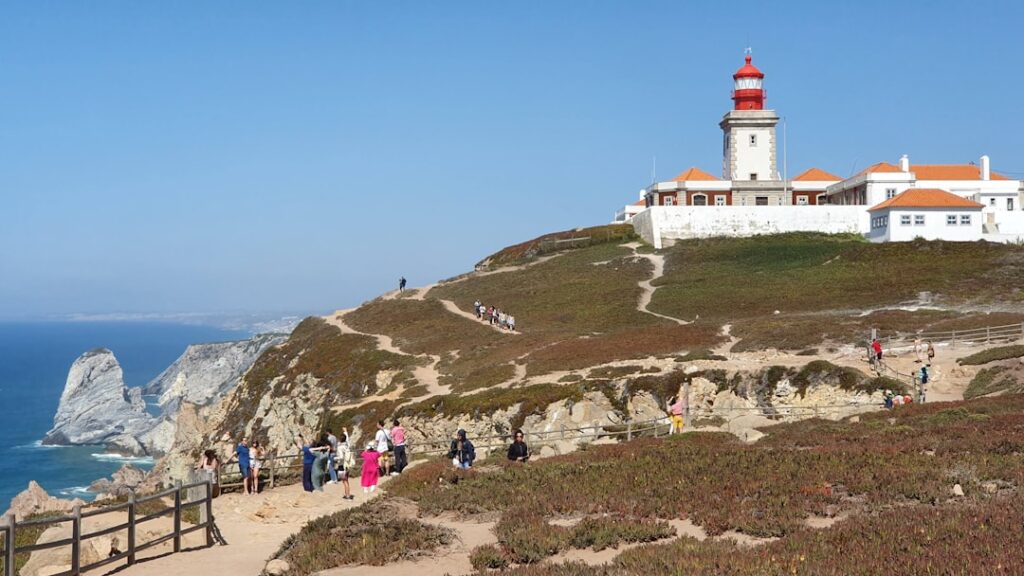
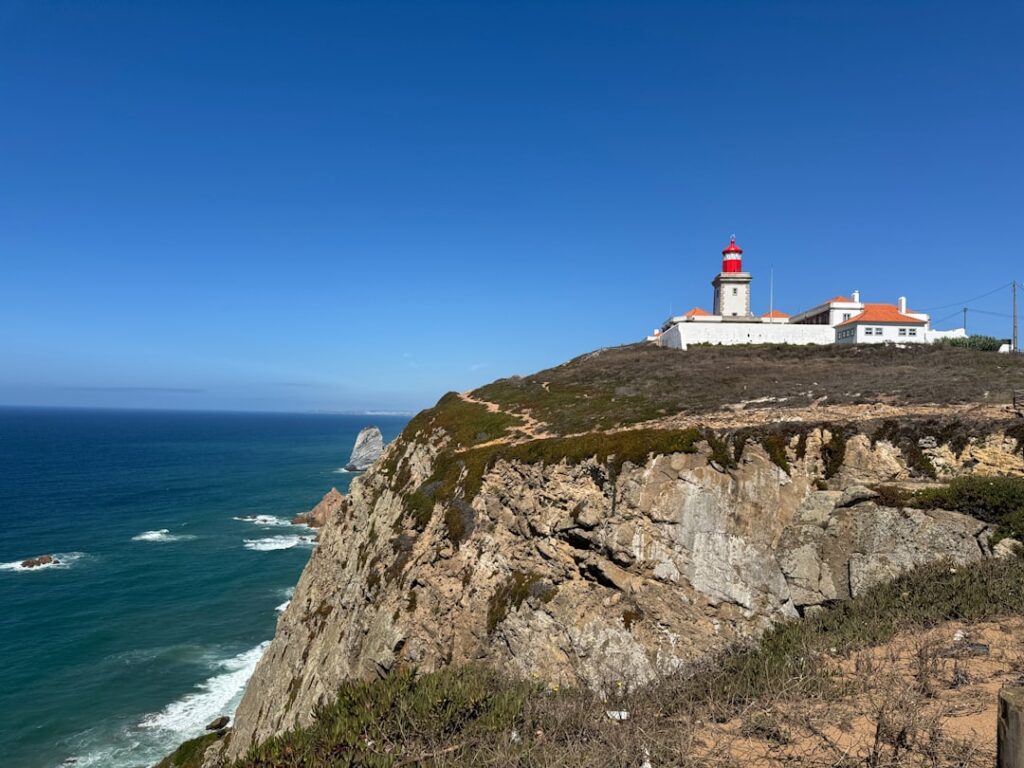
Recommended alternative — Sintra-Cascais Natural Park and Cabo da Roca: Head west to Europe’s westernmost mainland point for vertiginous cliffs, coastal trails and the wild Praia da Ursa. Here you’ll feel the ocean’s power and be able to walk without being pushed along.
Cabo da Roca — Practical details
- Exact name: Cabo da Roca
- Address: Av. do Cabo da Roca, 2705-001 Colares, Portugal
- Price: Free (paid parking depending on season, roughly €4–8 for the day)
- Opening hours: Public access 24/7; information points open about 09:00–18:00 depending on season
And for a dramatic beach:
Praia da Ursa — Practical details
- Exact name: Praia da Ursa (cove under Cabo da Roca)
- Address: Trail from Cabo da Roca (follow signs or GPS: Praia da Ursa trailhead), 2705-001 Colares
- Price: Free
- Opening hours: Open access (note: trail is steep and not recommended in wet weather)
Why it works better: instead of a single summit photo, you get a full palette: cliffs, salty air, seabirds, wave-sculpted rocks. The trail down to Praia da Ursa is steep but rewarding: few people, shifting light, secluded coves. Plan hiking shoes, water and at least a half-day to enjoy it without rushing. Bring a windbreaker — the cliff tops are often breezy.
3) « Royal » Tour Packages Lack Depth — Alternative: Palácio Nacional de Sintra and Old Town Strolls
Why grand-palace circuits are overrated: Many organized tours rush through Pena, the National Palace and a quick coffee. This format favors ticking off attractions over quality of experience. Spending an hour in a palace with a hurried guide leaves little room for historical empathy or personal discovery.
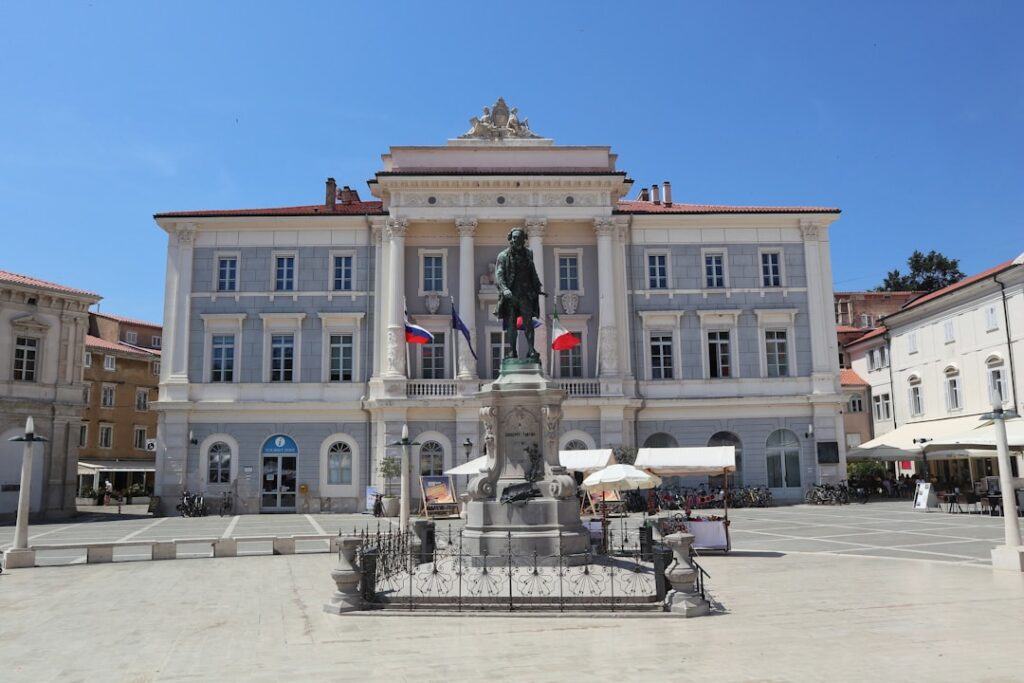
Recommended alternative — Palácio Nacional de Sintra and the old town: The Palácio Nacional de Sintra, right in town, offers a quieter historical immersion than Pena. Its famous conical chimneys, decorated rooms and central location make it a great starting point for wandering narrow streets lined with artisan shops and traditional pastry shops.
Palácio Nacional de Sintra — Practical details
- Exact name: Palácio Nacional de Sintra (National Palace of Sintra)
- Address: Largo Rainha Dona Amélia 1, 2710-616 Sintra, Portugal
- Price: Adult ticket around €10; combo tickets with other monuments are available
- Opening hours: Generally 09:30–18:00 (open until 19:00 in high season; check official times before you go)
Strolling tips: After the visit, get lost in Rua das Padarias and Largo da Praça in the historic center. Stop to try a queijada de Sintra (small local cake) at A Piriquita (Rua Padaria 1, 2710-616) — expect to pay about €1.20–€2.50 per pastry. The vibe here is more authentic and slower-paced: ideal for getting a feel for Sintra’s everyday life before the arrival of tourist buses.
4) Monserrate Is Often Overlooked — Alternative: Palácio de Monserrate and Exotic Gardens
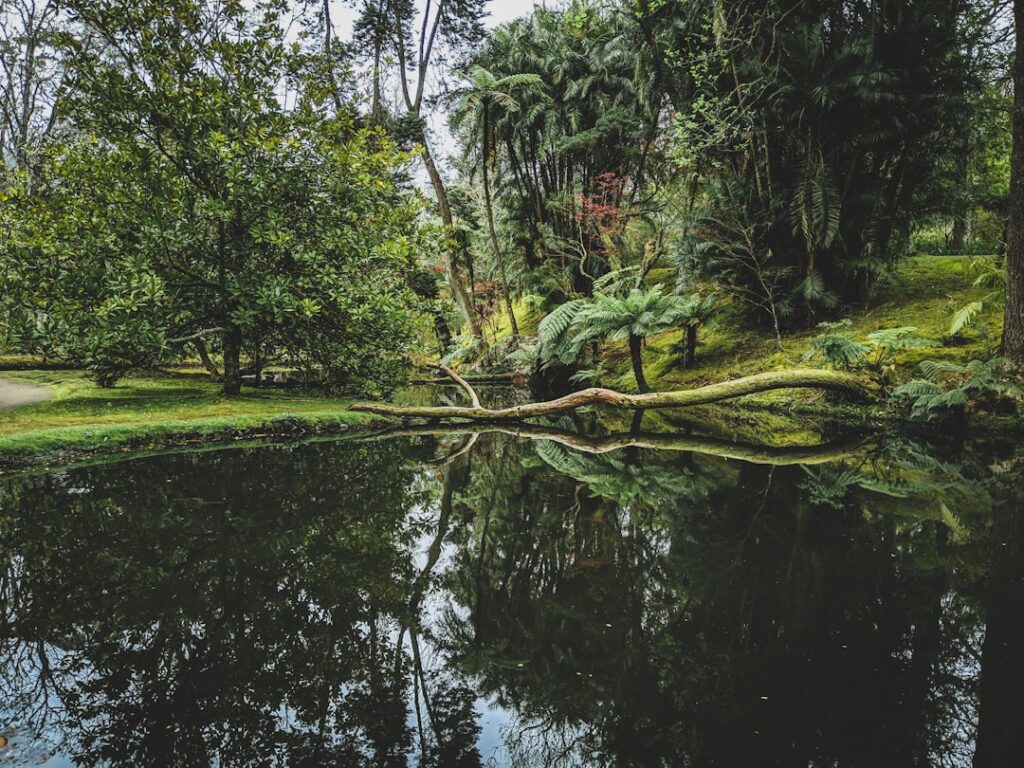
Why Monserrate is underrated: Many travelers skip Monserrate in favor of Pena, thinking it’s better to see the most spectacular site. That’s a mistake: Monserrate offers a different kind of romance — botanical and introspective. Its Moorish and Gothic-influenced architecture paired with lush botanical gardens creates a contemplative mood, less staged than Pena.
Monserrate — Practical details: If you enjoy plants, garden photography, or simply walking under large ferns and palms, Monserrate is a must.
- Exact name: Palácio de Monserrate (Monserrate Palace)
- Address: R. de Monserrate, 2710-405 Sintra, Portugal
- Price: Entry around €8–€10 (palace + gardens; reduced rates exist)
- Opening hours: Usually 10:00–18:00 (hours vary by season)
Why it works better: the greenhouses, ponds and exotic tree collections feel both scientific and romantic. Paths are wide and designed to disperse visitors, so there’s breathing room. Practical tip: allow 1.5–2 hours to explore palace and gardens, bring a plant guide or read the species panels — every tree has a story. The estate café offers snacks; perfect for a shaded break.
5) Pena « Photo-Only » Circuits Waste the Serra — Alternative: Convento dos Capuchos and Serra Walks
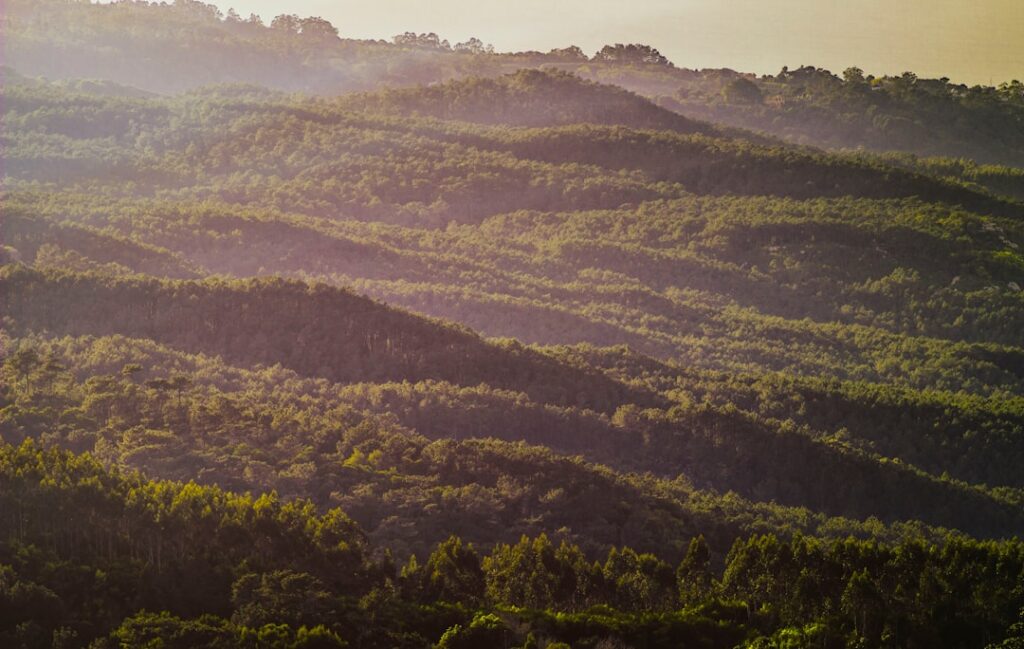
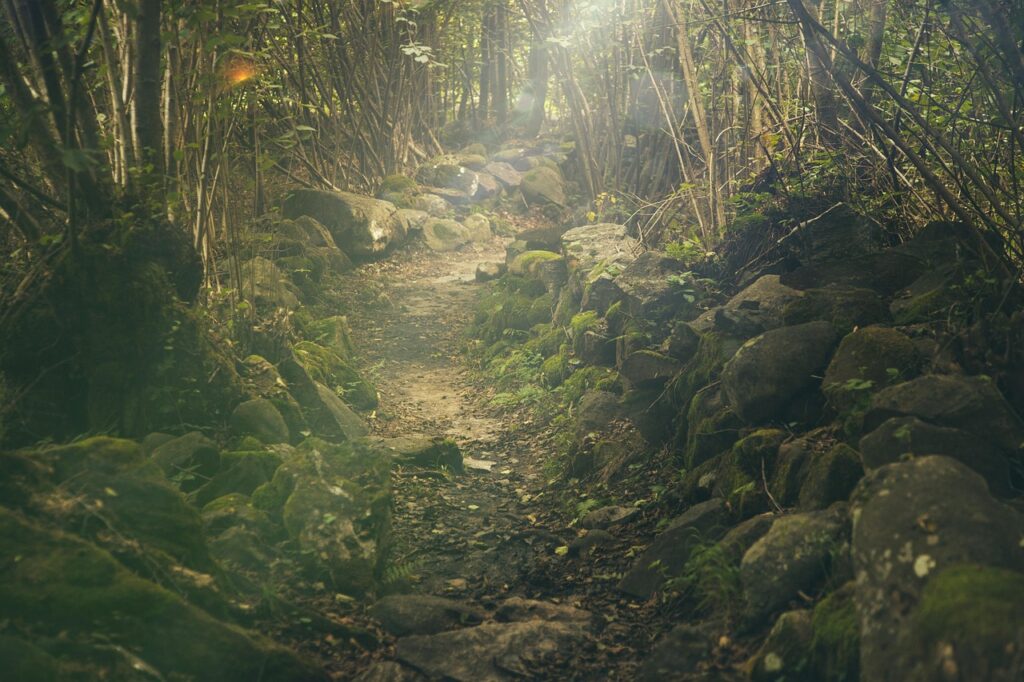
Why photo-only Pena circuits are disappointing: Many visitors are on a mission to tick Pena off their list and leave without exploring the Serra de Sintra. The local ecosystem — damp forests, hiking trails and historic refuges — deserves several hours or even a full day. Fast-track tours reinforce a superficial view of a place that rewards time.
Recommended alternative — Convento dos Capuchos (Convent of the Capuchos): A 16th-century Franciscan hermitage known for its humble architecture and respectful integration into the forest. Here, human scale matters: small cells, narrow passages and monastic simplicity. It’s a rare quiet experience in a heavily touristed region.
Convento dos Capuchos — Practical details
- Exact name: Convento dos Capuchos (Capuchos Convent)
- Address: Estrada de Sintra, Parque de Monserrate, 2710-405 Sintra (approximate; signage on site)
- Price: Around €6–€7 (monument entry); combo tickets possible with other sites
- Opening hours: Generally 10:00–18:00 (varies by season)
Why it works better: the convent is a lesson in frugal architecture and intimacy with nature. The visit invites listening rather than quick snapshots and is best appreciated in silence. Local tip: pair this visit with a hike in the Serra and bring a small picnic. Trails aren’t always well marked; a map or a hiking app with offline maps is useful.
Conclusion — Rethinking Sintra: quality, slowness and meaningful routes
Few places suffer from fame as much as the Palácio da Pena. Its exuberant silhouette is undeniably attractive, but often at the cost of a truncated experience. This anti-guide isn’t about erasing Pena from your plans: it’s about putting Pena in perspective — as one point of interest among many — and sometimes replacing it with experiences that offer more intimacy, local history and contact with nature.
The alternatives laid out — Quinta da Regaleira, Cabo da Roca and Praia da Ursa, Palácio Nacional de Sintra, Palácio de Monserrate, Convento dos Capuchos — deliver a range of experiences: symbolic mystery, oceanic force, town history, exotic gardening and monastic humility. Each entry includes practical info (address, approximate price, opening hours) to help you plan concretely. My overall advice: allow at least a half-day for each of these spots, arrive early at the most popular ones, bring water, suitable shoes and an offline map or app for trails.
Ultimately, visiting Sintra means accepting a little time lost in exchange for a big gain: the chance to feel, meditate, be gently bored and stumble on an unexpected discovery. Reducing Sintra to Pena is to condemn yourself to a skim; doing the opposite — exploring quiet corners and secret gardens — restores the true purpose of travel: meeting a place, not just its image.
Safe travels — and remember: if you see too many smartphones in one spot, take a different path.