





Introduction — Discover Sintra at Your Own Pace: Train, Car or Guided Tour
Sintra is one of Portugal’s most romantic gems, a UNESCO World Heritage site thanks to its unique cultural landscape that blends palaces, medieval castles, lush gardens and picture-perfect villages. Located just 30–40 km west of Lisbon, it’s small in distance but huge in the number of things to see. For today’s traveler the question isn’t only “what to see?” but “how to make the most of Sintra?” — each way of getting around (train, car, guided tour) brings different benefits depending on your pace, budget, interests and tolerance for crowds.
This article is a practical, side-by-side guide to help you pick the option that fits your style: the ease and affordability of the train, the independence and flexibility of driving, or the convenience and context a guided tour offers. I’ll cover pros and cons of each approach as well as essential practical information: full addresses, opening times, entrance prices in euros, local tips and immersive descriptions of highlights like Palácio Nacional da Pena, Quinta da Regaleira, the Moorish Castle (Castelo dos Mouros) and the National Palace of Sintra (Palácio Nacional de Sintra).
Beyond the famous sights, Sintra reveals itself in cobbled lanes, traditional pastries and scenic viewpoints. Opening hours and prices can change with the season, but I’ll give up-to-date, realistic pointers so you can plan your visit effectively. You’ll also find tips to skip the queues, where to park your car, how to use the local bus network (Scotturb) and tricks to photograph the sites at the best times of day.
This guide also includes concrete recommendations: exact addresses (for GPS), standard adult ticket prices in euros, typical opening hours and field tips (good shoes, water, avoiding peak times). Whether you prefer to stroll slowly through gardens, climb ancient ramparts or cram as much as possible into one day, you’ll find a plan here to explore Sintra at your own pace.

1) Exploring Sintra by Train: Simplicity, Savings and Local Vibes
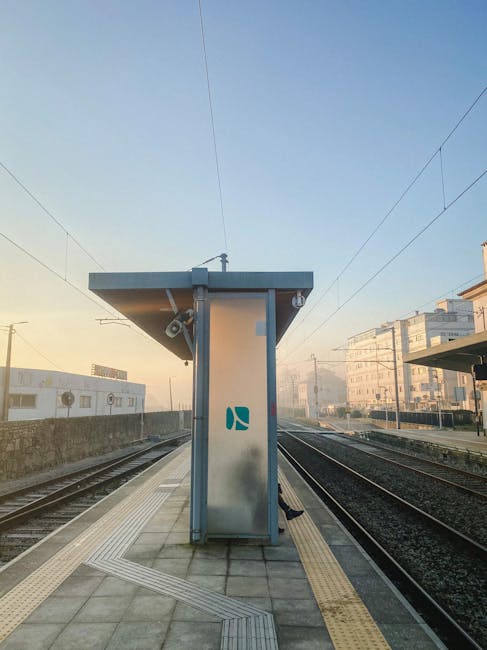
The train is often the first choice for visitors coming from Lisbon. The Sintra line departs from Rossio Station (Praça de Dom Pedro IV, 1100-200 Lisboa) and arrives at Estação Ferroviária de Sintra (Rua Visconde de Monserrate, 2710-585 Sintra). The journey takes about 40–45 minutes, with trains running every 20–30 minutes in normal service. First trains leave early (around 06:00), and there are late services too, but it’s wise to check current schedules on the CP – Comboios de Portugal website before you travel.
Fares and tickets: a one-way ticket Lisbon–Sintra costs roughly €2.25–€2.80 depending on departure station (Rossio or Oriente); you can buy a return for the day. One big plus of the train is the low cost compared with parking and fuel, plus you get a scenic transition from urban neighborhoods to wooded hills through the window.
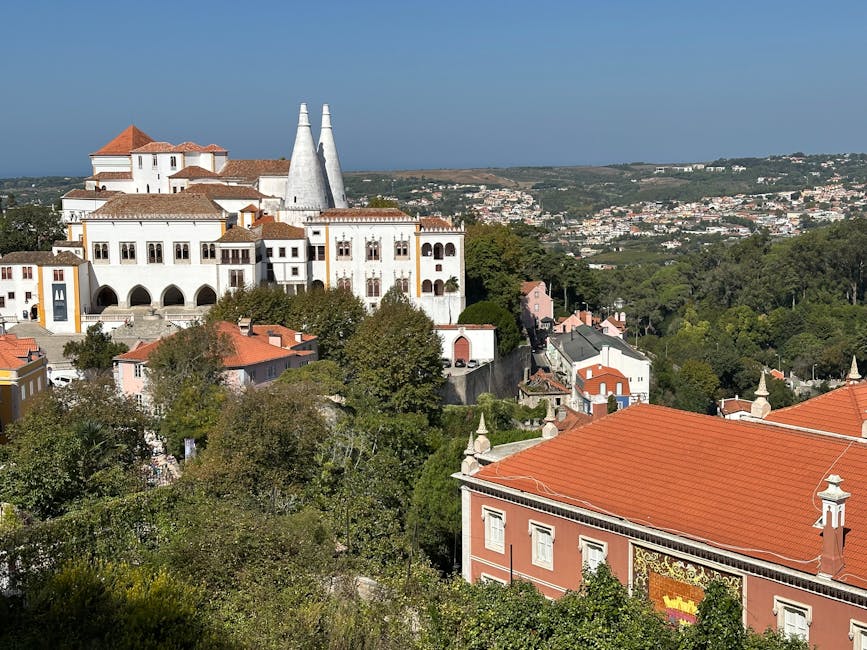
On arrival, Sintra station is a 10–20 minute walk from the historic center and the National Palace of Sintra (Praça da República nº 1, 2710-616 Sintra). To reach the hilltop sites (Palácio Nacional da Pena, Castelo dos Mouros), you have several options: the local bus (Scotturb line 434 departs in front of the station), tuk-tuks or taxis. Line 434 typically runs roughly 09:00–18:00 and a return fare is about €3.90 (indicative).
Atmosphere and immersion: taking the train gives you a more “local” approach — you’ll walk the streets, grab a coffee in the town, and soak up daily life in Sintra. The historic center is compact and walkable; nearby treats include Casa Piriquita (R. Padarias nº1/3, 2710-616 Sintra) — famous for its travesseiros — usually open around 08:00–19:30 with pastries from about €1.40.
Practical tips: buy train tickets ahead during high season to avoid queues; travel early or late in the afternoon for softer light and fewer people; wear comfortable shoes — many streets are cobbled and steep. The train is ideal if you want an independent, low-cost and eco-friendly way to explore.
2) Visiting Sintra by Car: Total Freedom but Logistics to Manage
Driving in Sintra gives you the most freedom: you can set your own route and schedule and reach spots less well served by public transport, like Parque e Palácio de Monserrate (Parque de Monserrate, 2710-405 Sintra) or secluded viewpoints. The A37/N9 route from Lisbon takes about 30–40 minutes depending on traffic (roughly 30–45 km). For GPS, enter exact addresses — for example Palácio Nacional da Pena, Estrada da Pena, 2710-609 Sintra — to find the nearest parking.
Parking and costs: parking is the trickiest part. Official lots near major attractions (Pena and the Moorish Castle) are often paid and limited; at Pena there’s a public parking area near the park (limited spaces) with seasonal rates (around €3–€7 for a few hours). In the historic center, streets are narrow and on-street parking is regulated (paid or blue-zone parking around Praça da República). Plan alternatives: private lots (e.g. Parque de Estacionamento da Estação de Sintra) or the train station.
Time and flexibility: with a car you can time your visit to avoid the crowds — be at Pena at opening (09:30) or at dusk for dramatic photos. Driving distances between sites are short (5–10 minutes between the center and Pena via the winding road). That said, drive carefully — some roads are narrow, twisty and shared with tourist buses.
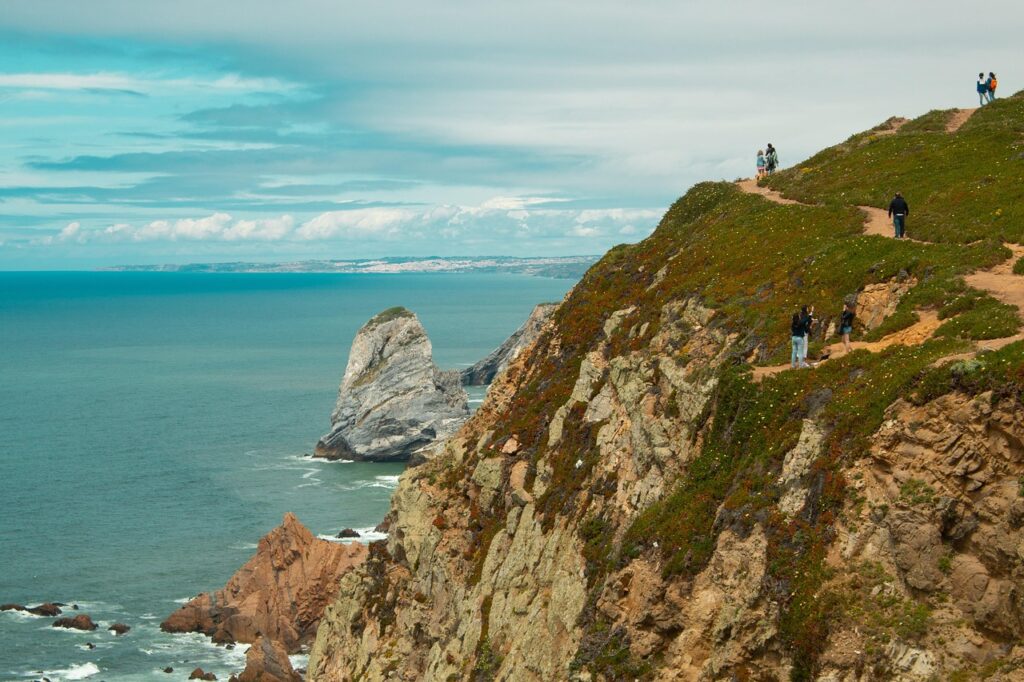
Extra costs to budget: fuel (expect about €8–€15 depending on vehicle and day), any tolls if coming via major highways, rental insurance, and parking fees (€3–€15 per day depending on location). A major advantage is easy transport of gear (cameras, strollers, purchases) and the ability to reach outlying spots at your own pace — for example Cabo da Roca (Cabo da Roca, 2705-001 Colares) for a sunset about 15–20 minutes’ drive away.
Local tips: allow extra time to find parking, arrive early in high season, and download offline maps. If you’re comfortable driving on steep, narrow roads, a car gives unmatched independence; if not, choose the train or a guided tour to cut the logistical stress.
3) Picking a Guided Tour: Historical Context, Time-Saving and Comfort
Guided tours (from Lisbon or from Sintra) are perfect if you want a turnkey experience with a guide who narrates the history, shares anecdotes and organizes the timing so you can see several sites in one day. There are several formats: Lisbon–Sintra combos (half-day or full-day), specialized tours (food, photography), and private tours. Prices vary: a small-group tour from Lisbon typically costs €55–€80 per person; private tours often start around €200–€300 per day depending on group size and inclusions.
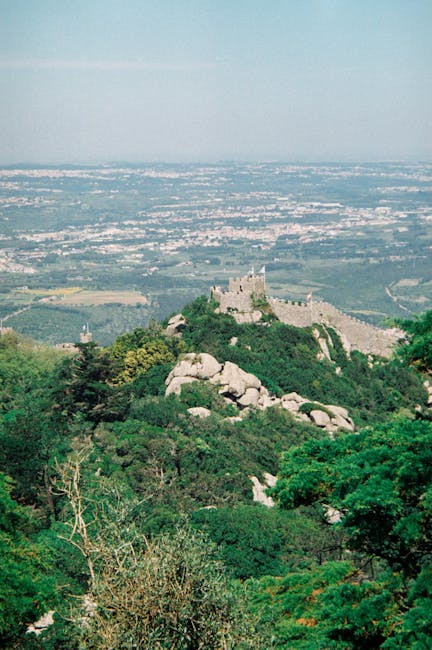
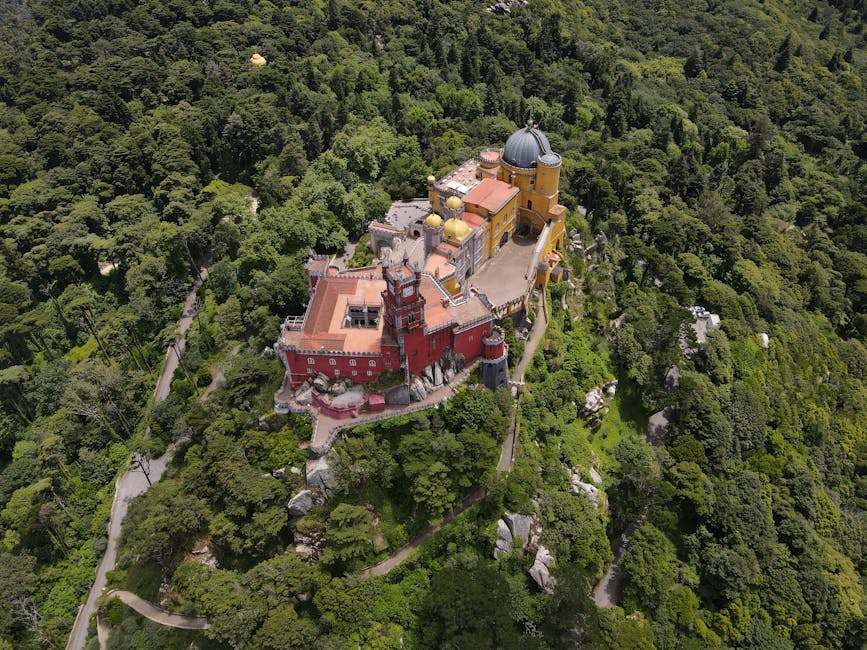
Benefits: saves time (pick-up from Lisbon), sometimes reduced queueing with priority entry, and expert commentary at sites like Palácio Nacional da Pena (Estrada da Pena, 2710-609 Sintra — adult ticket around €14.00, seasonal opening 09:30–18:30), Quinta da Regaleira (R. Barbosa du Bocage nº5, 2710-567 Sintra — adult ticket around €12.00, opening 10:00–18:30) and Castelo dos Mouros (Estrada do Castelo dos Mouros, 2710-405 Sintra — adult ticket around €8.00, opening 09:30–19:00).
Practical setup: most tours include pick-up at central Lisbon spots (Praça do Comércio, Rossio or other central areas) and offer small groups of 8–20 people. They often include air-conditioned minibus transport, a local guide in English or other languages, and sometimes skip-the-line tickets. For themed visits (e.g. the botanical gardens at Palácio de Monserrate, Parque e Palácio de Monserrate, 2710-405 Sintra — adult ticket approx. €8.00), look for specialized tours.
Possible downsides: less flexibility — you follow the itinerary — and a brisk pace at times to fit in many attractions. Tours can also include many travelers; if you want privacy, a private tour is better though pricier.
Booking tips: compare what’s included (entrance tickets, lunch, multilingual guides), favor reputable local operators (check recent reviews), book ahead in high season, and ask about group size. A great guide will make your visit memorable with stories about Fernando II and the romantic transformation of Sintra’s landscape.
4) Recommended Itineraries by Travel Style — Practical Suggestions & Timing
To help you choose a concrete plan, here are several suggested itineraries by transport mode and time available. Each includes exact addresses, typical opening hours and indicative prices so you can plan precisely.
-
One-day train itinerary (for a relaxed pace)
- Depart Lisbon (Rossio Station) early — arrive at Estação Ferroviária de Sintra around 09:00.
- Morning: visit Palácio Nacional de Sintra, Praça da República nº1, 2710-616 Sintra — opens 09:30, adult ticket ~€10.00.
- Coffee break: Casa Piriquita, R. Padarias nº1/3 — try a travesseiro (€1.40–€2.50).
- Midday: take Scotturb bus 434 to Palácio da Pena (Estrada da Pena, 2710-609 Sintra) — about 10–15 min by bus, bus ticket ~€3.90 return.
- Afternoon: tour Palácio Nacional da Pena (opens 09:30–18:30, ticket ~€14.00) then walk to Castelo dos Mouros (Estrada do Castelo dos Mouros, 2710-405 Sintra; ticket ~€8.00).
- Return to town center for dinner and the train home.
-
Two-day car itinerary (for in-depth exploration)
- Day 1: arrive by car, park near the center, visit Palácio Nacional de Sintra (€10.00), lunch at a local tavern, finish the afternoon at Cabo da Roca (Cabo da Roca, 2705-001 Colares) for sunset.
- Day 2: early morning at Palácio da Pena (arrive for 09:30), take a slow tour of the gardens, then drive to Monserrate (Parque e Palácio de Monserrate, 2710-405 Sintra — ticket ~€8.00) to explore its exotic gardens. Paid parking varies by location (€3–€10).
-
Half-day guided tour (booked with an operator)
- Pick up from Lisbon in the morning, priority visits to Pena and Quinta da Regaleira (tickets often included), return late afternoon. Average price: €55–€80 per person.
Timing tips: avoid 11:00–15:00 at the main attractions — it’s the busiest window. For photography aim for opening hours (09:30–11:00) or the golden hour late afternoon (around 16:30–18:30 depending on season). Check the official Parques de Sintra website (parquesdesintra.pt) for exact opening times and the latest prices before your visit.
Conclusion — Pick the Option That Lets You Savor Sintra
Sintra works well with many approaches: the train for a budget-friendly, authentic visit; the car for travelers seeking flexibility and access to outlying spots; and guided tours for time savings and richer historical context. No option is objectively best — it depends on your priorities. If your goal is to shoot photos without worrying about parking and to get deep historical context, a guided tour or a car with pre-planned parking might be best. If you want to wander, sample local pastries and feel the village atmosphere, the train is often ideal.
Whatever you choose, follow a few simple rules: start early to beat the crowds, wear comfortable shoes for cobbles and trails, bring water and a hat in summer, and double-check opening hours and prices the day before you go. The addresses and prices here (Palácio Nacional da Pena — Estrada da Pena, 2710-609 Sintra, ticket ~€14.00; Quinta da Regaleira — R. Barbosa du Bocage nº5, 2710-567 Sintra, ticket ~€12.00; Castelo dos Mouros — Estrada do Castelo dos Mouros, 2710-405 Sintra, ticket ~€8.00; Palácio Nacional de Sintra — Praça da República nº1, 2710-616 Sintra, ticket ~€10.00) are handy reference points, but always check official sources for seasonal updates.
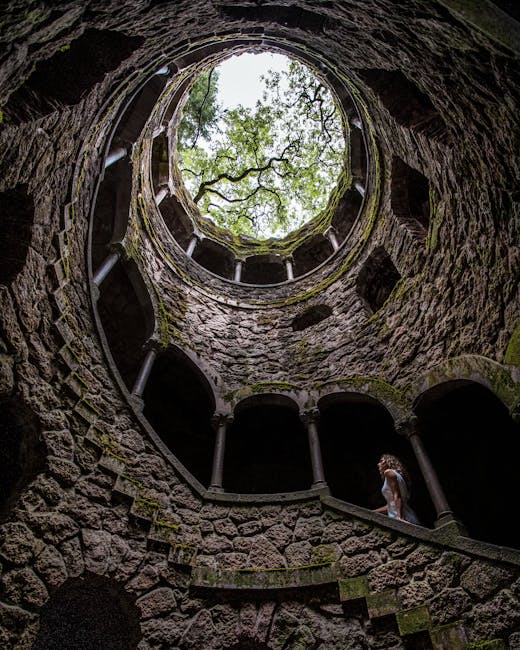
Ultimately, listen to what you want to feel in Sintra: the contemplative wonder at the top of Pena, the mysterious exploration of wells and tunnels at Quinta da Regaleira, or the ease of a worry-free, organized day trip. Whatever your pace, Sintra will reward you with stunning views, stories and memorable moments. Safe travels and happy discoveries!