





Introduction: Forgotten villages around Sintra — where history, sea and traditions meet
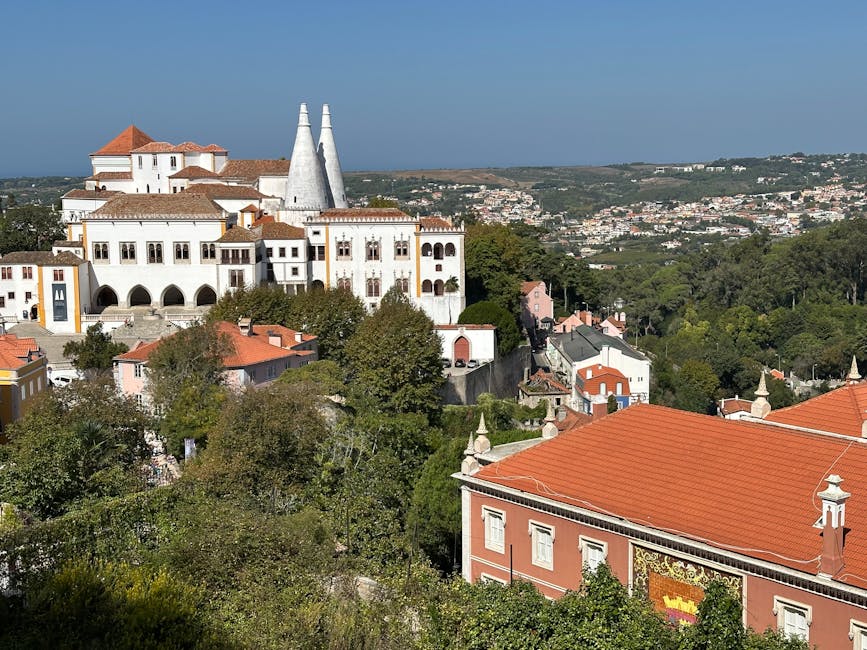
Sintra usually conjures images of romantic palaces and lush gardens: Palácio Nacional da Pena, Quinta da Regaleira, and the Palácio Nacional de Sintra draw the crowds. But the Sintra region stretches well beyond these icons and hides a string of lesser-known villages shaped by the sea, vineyards and centuries of rural life. This guide uncovers those quieter spots — Azenhas do Mar, Praia das Maçãs, Almoçageme, Colares and the cape at Cabo da Roca — and gives practical info, exact addresses, typical prices and opening times, plus tips for immersive visits.
These villages are microcosms where popular history is written on whitewashed façades, in tiny chapels, on the quays and in the wines of Colares. Some places keep alive fishing traditions, others show traces of Moorish occupation or pilgrimage routes. Away from the tourist trails you’ll find family bakeries, little-known viewpoints, wild beaches and coastal paths with breathtaking Atlantic panoramas.
This guide is for curious travelers who want to mix historical discovery with off-the-beaten-path strolls. For each village you’ll find: the full place name, a reference address to get there (central square, church or local tourist point), usual prices or fees in euros, indicative opening times, a detailed description and local tips (best times to visit, recommended hikes, authentic restaurants and small shops). Practical advice includes transport options (car, bus, tram, walking) and tricks to avoid summer crowds. Follow this guide and you can plan a day or a weekend where time feels slowed down, enjoying a respectful, slow form of tourism.
Azenhas do Mar: cliffside village, natural pool and dramatic views
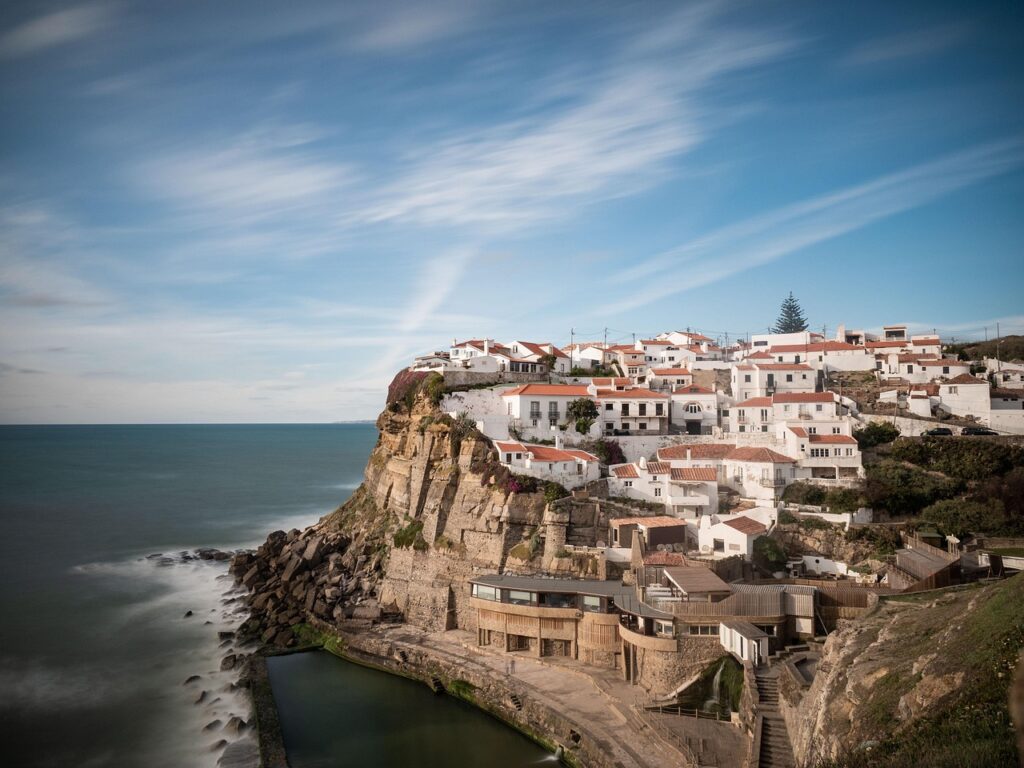
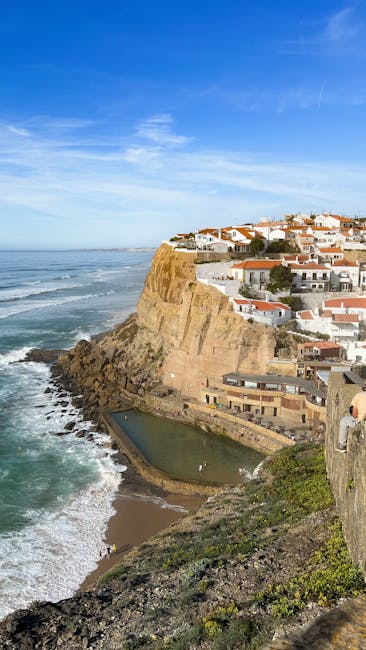
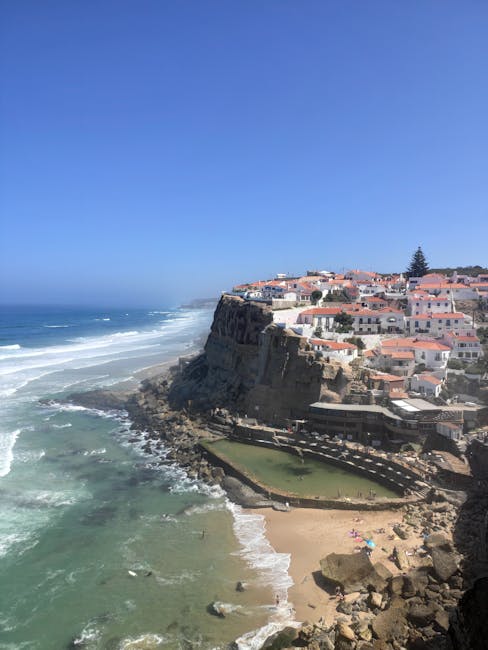
Description: Azenhas do Mar is a spectacular seaside village built into a cliff, about 12 km west of Sintra. Its white houses cling to the rock and tumble down toward a small bay where a photogenic natural rock pool forms. The name Azenhas do Mar refers to mills (« azenhas ») and the long-standing relationship between land and sea in this tiny landscape.
Reference address: Praça 25 de Abril, 2705-115 Azenhas do Mar, Colares, Portugal. This spot corresponds to the main square overlooking the bay, close to the local chapel and the steps down to the sea.
Hours and access: The village is freely accessible 24/7. Shops and restaurants generally open between 09:00 and 21:30 (longer opening hours in high season). Public parking along the access road is paid in summer: €2.00–€5.00 per hour depending on location; off-season parking is often free but limited. Entry to public spaces: free.
Activities and must-sees:
– Walk the viewpoints above the bay for sunrise or sunset shots.
– Descend to the natural pool for a swim (be cautious depending on swell).
– Taste fresh fish at restaurants such as Restô Azenhas, Rua Dr. Joaquim Salvador 10, 2705-115 Azenhas do Mar (fish dishes €12–€28).
– Short hiking route: coastal path toward Praia da Adraga (roughly 6–8 km depending on the trail), with wild panoramas and cliffs.
Local tips: Visit early in the morning to avoid tour buses in summer (07:30–09:30 is ideal). The stairs are steep; wear comfortable walking shoes. Bring water and obey safety signs near the cliffs. If you want to photograph the whole village, the most photogenic viewpoint is the small square (Praça 25 de Abril).
Praia das Maçãs and the Sintra tram: beach, culture and retro vibes
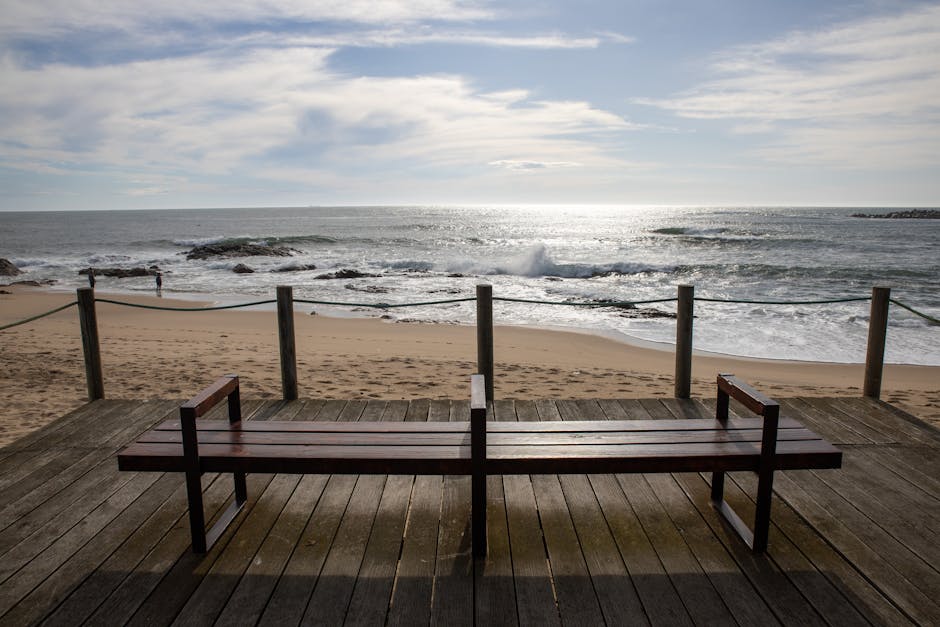
Description: Praia das Maçãs is a beach and small hamlet that, although known, keeps a timeless charm thanks to its historic tram and a seaside front that’s quieter than larger coastal resorts. It’s a great base for coastal walks or to combine beach relaxation with exploring small local communities.
Reference address: Praça Carregal, 2705-105 Praia das Maçãs, Colares, Portugal. This square gathers cafés, bus stops and the terminus of the small seasonal tourist tram.
Hours and fares: The beach is open and free 24/7. In summer, the lifeguard station operates from 10:00 to 18:00. The tourist tram (when seasonal service is running) between Praia das Maçãs and Sintra (historic line): indicative fare €4.00–€6.00 one-way (varies by operator, check locally). Scotturb bus line 441 (Sintra ↔ Praia das Maçãs): ticket €2.25 (regional urban tariff); frequency varies, generally every 30–60 minutes.
Highlights:
– Stroll along the beach and photograph the stacks and cliffs.
– Stop at family cafés on Praça Carregal to try a « sopa da pedra » or seafood dishes (main courses €8–€18).
– If the tram is running, enjoy a retro ride through the trees and along the coast — very photogenic.
– Summer morning market on the square: crafts and fresh fish.
Local tips: Best time for swimming is early morning or late afternoon for calmer water and less wind. In summer, avoid weekends if you seek tranquility. To explore nearby cliffs, follow the coastal path toward Praia do Magoito (allow 45–70 minutes depending on the route); hiking shoes recommended.
Almoçageme and Magoito: inland Sintra villages, dunes and chapels
Description: Almoçageme and Magoito are two neighboring villages often overlooked by standard tourist routes. They offer a blend of rural landscapes, smallholdings and access to wilder beaches like Praia do Magoito. The vibe is authentic, with neighborhood cafés, artisan workshops and historic chapels.
Reference addresses:
– Almoçageme: Rua da Igreja, 2705-024 Almoçageme, Colares, Portugal (the square by the parish church of Nossa Senhora da Conceição).
– Magoito: Largo do Rossio, 2705-021 Magoito, Colares, Portugal (village centre, close to trails to the beach).
Hours and access: Village churches (hours vary) typically open around 08:00–12:00 and 15:00–19:00, but check locally. Hikes to Praia do Magoito start early in the morning; the beach is freely accessible. Roadside parking is often free but limited; expect a 5–15 minute walk.
Visits and activities:
– Praia do Magoito: dramatic cliffs and powerful waves popular with surfers; swimming can be risky — obey the safety flags.
– Chapel of Nossa Senhora da Conceição in Almoçageme: a small whitewashed church with rustic charm.
– Rural trails between vineyards and orchards: peaceful routes for light cycling or walking.
– Local restaurant O Magoito, Rua Direita 2, Magoito (fish and tapas €7–€20).
– Birdwatching and coastal dune flora in adjacent areas.
Local tips: Head up to the Miradouro de Magoito at sunset for exceptional light on the cliffs. Prepare for strong winds and bring a windbreaker. Consider buying bread and fruit at a local bakery before heading to the beach, as amenities are limited off-season.
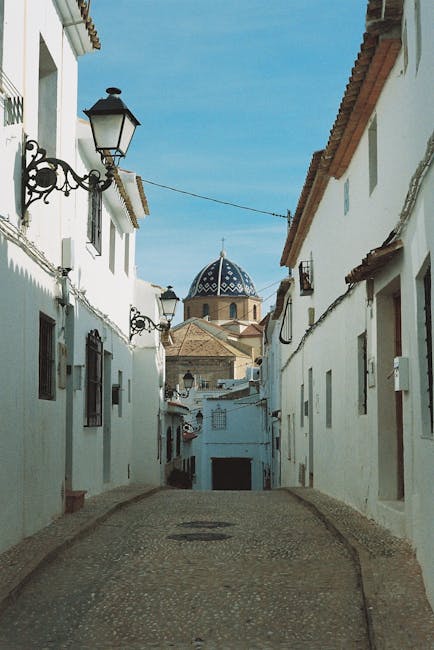
Colares and Cabo da Roca: ancient wines, sea caves and Europe’s westernmost point
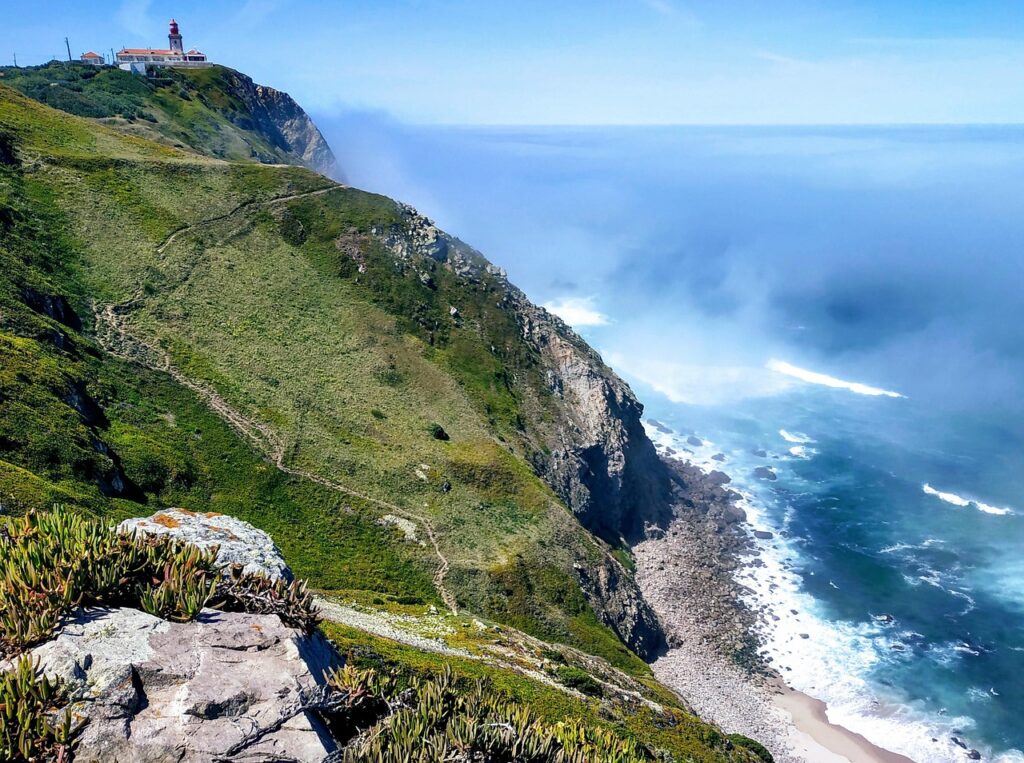
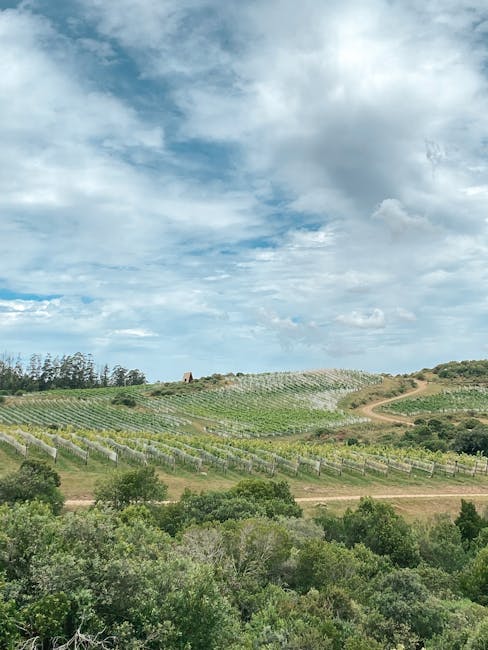
Description: Colares is a historic parish whose vineyards still produce distinctive wines (Colares wines) thanks to a grape variety that resists sand and sea spray. Nearby, Cabo da Roca is the westernmost cape of continental Europe, dominated by a lighthouse and towering cliffs. Both places tell the maritime and wine-growing story of the region.
Practical addresses and points:
– Igreja de São João Baptista, Largo da Igreja, 2705-001 Colares, Portugal — the central church and a handy reference point for the small town.
– Cabo da Roca (Faro de Cabo da Roca), Caminho do Cabo da Roca, 2705-001 Colares, Portugal — parking near the cape, visitor welcome point.
Hours and prices:
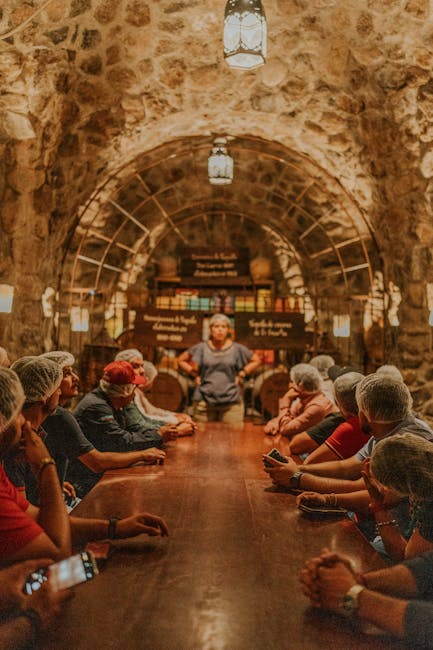
– Vineyards and cellars: some private guided tours at Colares quintas are possible by appointment (example: Quinta da Romeira / private tastings — visits from €12–€20 per person depending on tasting).
– Cabo da Roca: natural site open 24/7; the lighthouse isn’t always open to the public. Parking at the cape: free in high season in organized parking areas; beware of fines for illegal parking.
– Transport: Scotturb buses to Cabo da Roca (line 402/403 depending on season): regional fare around €3.00–€5.00 from Sintra.
Must-do visits:
– Taste Colares wines: book a guided tasting to learn about dune cultivation and try the region’s white and red wines.
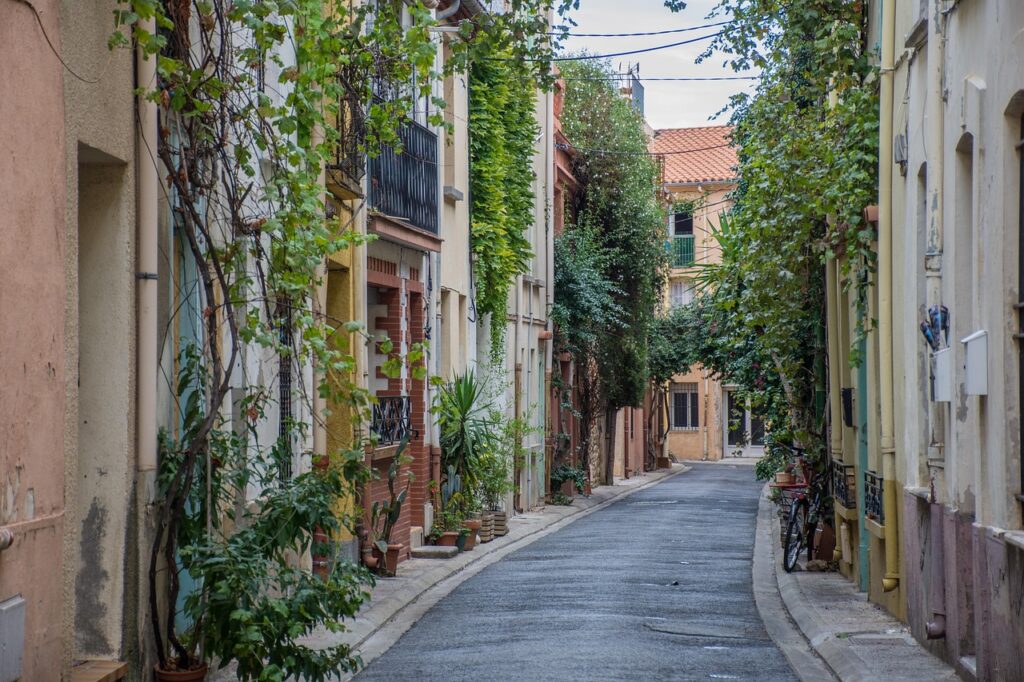
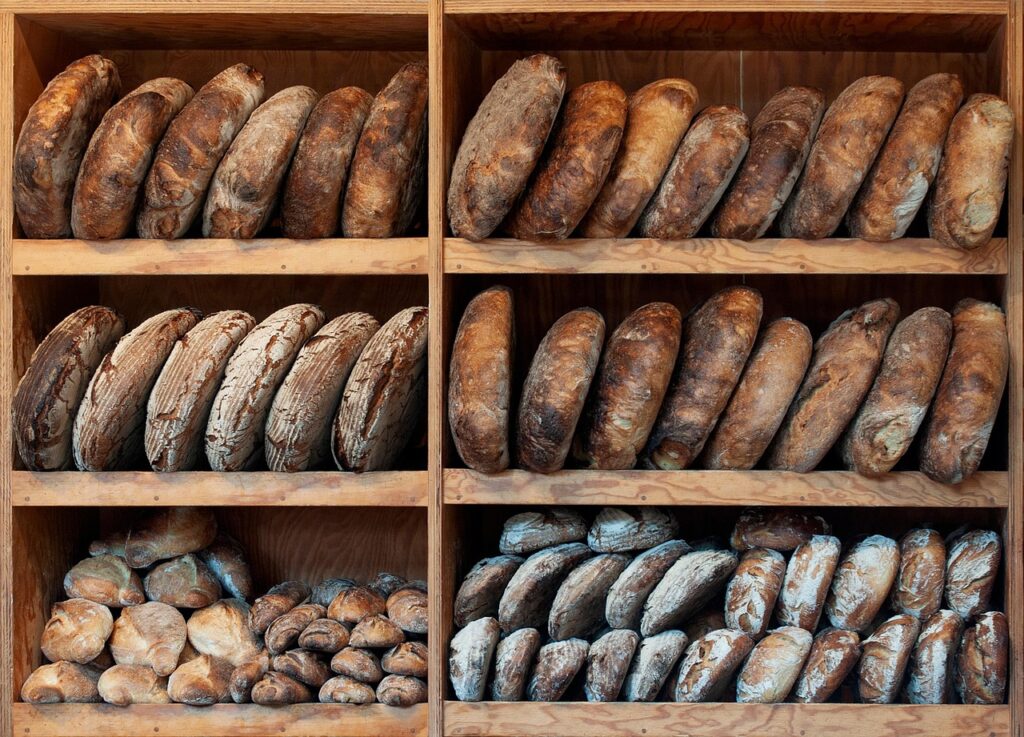
– Wander Colares’ lanes to spot old bread ovens, fountains and traditional houses.
– Cabo da Roca: walk the coastal trails and photograph the sign declaring « Onde a terra se acaba e o mar começa » (« Where the land ends and the sea begins »).
– Sea caves and nearby beaches (Praia da Ursa — access via a steep trail but extremely dramatic views).
Local tips: Reserve winery visits in advance (phone or email) as producers are often small. For Cabo da Roca, arrive early to avoid coach tours and enjoy strong winds and dramatic light ideal for photography. Respect cliff signage — don’t go too close to the edges.
Conclusion: planning your route and final tips
The forgotten villages around Sintra offer a calming counterpoint to the major attractions. Between dramatic cliffs, ever-changing seas, white chapels and rare vineyards, each place has its own personality and pace. To make the most of these discoveries, take it slow: two to three villages per day depending on your starting point, or dedicate one full day to the coast (Azenhas do Mar, Praia das Maçãs, Praia do Magoito) and another to the inland areas (Colares, Almoçageme and a winery visit).
Practical planning:
– Transport: driving gives you great freedom (watch for narrow roads and limited parking). Scotturb buses serve most of the spots mentioned; check timetables on the official Scotturb website or at the Sintra station ticket office. Indicative prices: buses €2.25–€5.00 depending on route; CP train Lisboa–Sintra: single ticket €2.25–€2.50 from Lisbon.
– Best time to visit: spring and early autumn for pleasant temperatures and fewer crowds. Summer brings warm weather but more people. Winter reveals a dramatic coast and off-season accommodation rates.
– Respect and safety: respect the environment (don’t leave rubbish), avoid getting too close to cliffs, follow beach safety signs and let someone know if you’re hiking alone.
Finally, leave room for the unexpected: an artisan shop, a local winemaker inviting you for a tasting, a family sharing village stories. Those encounters are often the heart of a successful trip to the forgotten villages around Sintra. Using the addresses and tips in this guide, you can build a rich itinerary that balances history, nature and local flavors, and come away with the feeling that you’ve discovered a lesser-known but deeply authentic Sintra.