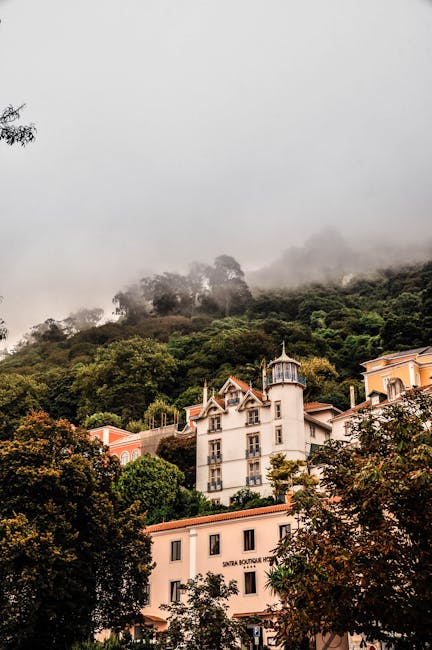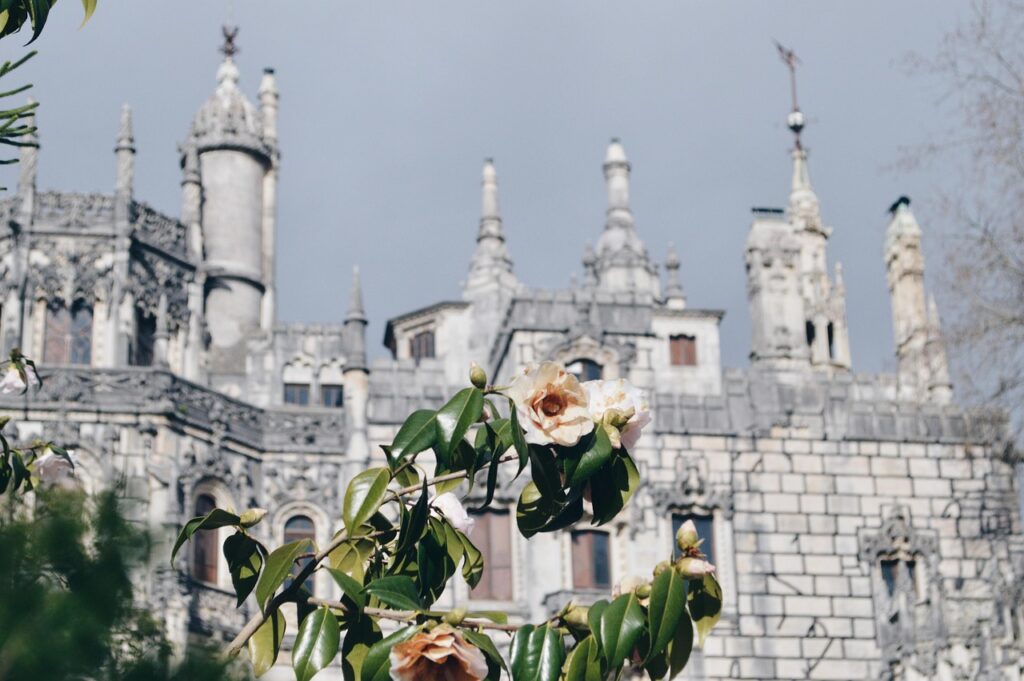






Introduction: Sintra and the symbolic essence of Pena, Regaleira and the Moor
Perched on the foothills of the Serra de Sintra, the town of Sintra is a palimpsest of styles, histories and landscapes where 19th-century romanticism intertwines with medieval remains and initiatory gardens. Three sites in particular — the Palácio Nacional da Pena, Quinta da Regaleira and the Castelo dos Mouros — form a trio that almost mythically represents the soul of Sintra. Each, through its architecture, historical role and the sensory experience it offers, contributes a different facet to this UNESCO-listed town. Together they create a narrative route: from the dreamlike palace that reinvents the past, to the esoteric estate that blurs the lines between symbolism and nature, to the fortress that recalls strategic dominance and the harshness of ancient times.
In this guide, I’ll explore not only the history and architecture of these three places, but also their exact addresses, entrance fees in euros, typical opening hours, immersive descriptions to help you picture the walk, and practical local tips to make the most of your visit. Whether you’re a photographer hunting for dramatic dawn angles, a romantic traveler who wants to stroll slowly, or a hiker curious to explore the numerous trails connecting these sites, you’ll find immediately usable information here.
Palácio Nacional da Pena dominates the summit with its colorful palette and whimsical turrets; below it, the Castelo dos Mouros opens onto raw stone and strategic panoramas; farther south, Quinta da Regaleira unfolds like a three-dimensional gothic novel, with its initiatory wells, vegetal labyrinth and secret chapels. These three places are not isolated: they converse via forest trails, the mist that sometimes descends from the sea, and a soft light that enhances the vegetation. Their geographic proximity also helps you understand Sintra as a coherent whole, where contradictions — decorative and military, magical and scientific, wild and landscaped — answer each other.
Before diving into the details of each site, note an important caveat: prices and opening hours can vary with season and special events. I provide typical rates and standard hours here, but always check the official sites before you go. Finally, I’ve added local tips — best time windows to avoid crowds, walking routes, transport options, and photography tricks — so your visit is not just informative but fully alive.
Palácio Nacional da Pena: the chromatic romanticism that reinvents history
Full name: Palácio Nacional da Pena
Address: Estrada da Pena, 2710-609 Sintra, Portugal
Hours (indicative): 09:30 – 18:30 (last entry usually around 18:00), extended hours in high season. Check the official site on the day of your visit.
Prices (indicative): Combined Palace + Park ticket about €17.50, park-only around €7.50, reduced and family rates available. Some fast-track tickets or audio guides are sold separately.
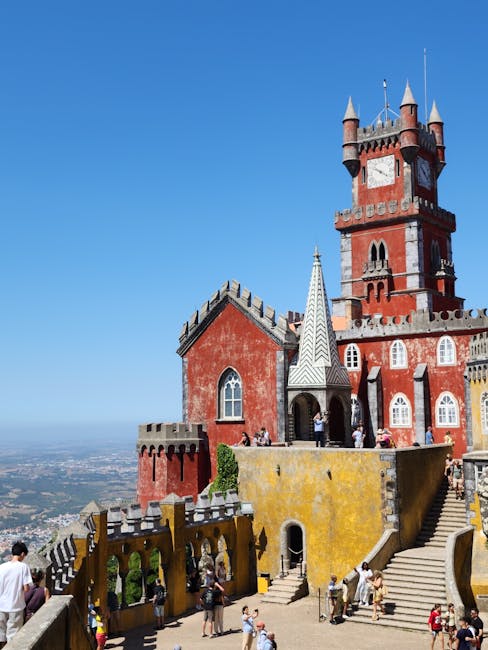
Palácio Nacional da Pena is the embodiment of Portuguese romanticism: an architecture that dares to use color, orientalizing turrets, neo-Manueline walkways and neo-medieval elements juxtaposed with a near-theatrical flamboyance. Raised in the 19th century by King Ferdinand II on the ruins of a 16th-century convent, the palace sits atop a wooded hill and offers panoramas that, on a clear day, sweep across the Bay of Cascais to the Atlantic. On approach, the first sensation is surprise: ochre walls, red towers and purple cornices rise like a painted set.
The visit has two distinct experiences: the interior route, rich with decorated salons, painted ceilings, period furniture and views over the countryside; and the surrounding romantic park, a historic garden of 85 hectares planted with exotic species (sequoias, camellias, magnolias) that create shaded alleys and unexpected viewpoints. For a deeper visit, favor a morning slot: morning light makes the palace colors pop and the crowds are smaller.
Local tips:
- Arrive at opening time to avoid the rush; bus tours and cruise coach groups usually arrive after 10:30.
- Wear comfortable shoes: park terrain is steep and can be damp.
- If you’re into photography, summer evenings offer golden light; for crisp architectural shots, pick a clear day with no mist.
- Access: bus 434 from Sintra station (circular route to Pena); taxi or hike via forest trails for the more athletic.
Quinta da Regaleira: the esoteric, initiatory and literary estate
Full name: Quinta da Regaleira / Palácio e Quinta da Regaleira
Address: Rua Barbosa du Bocage 5, 2710-567 Sintra, Portugal
Hours (indicative): 10:00 – 18:00 (often 10:00–19:00 in high season), may close earlier in the evening; last entry 30 minutes before closing.
Prices (indicative): Adult entry around €10.00, reduced rates for students and seniors, combined tickets sometimes available with other private monuments.
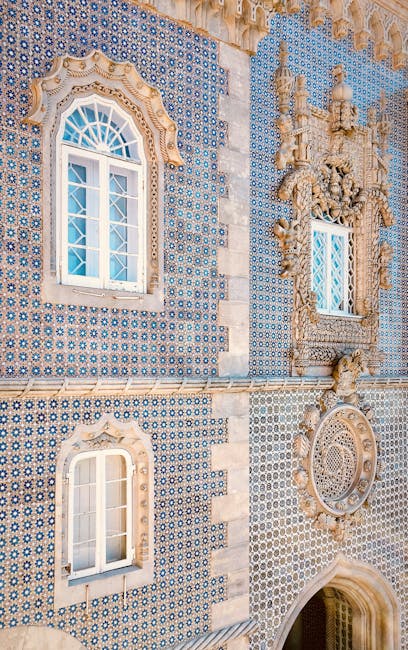
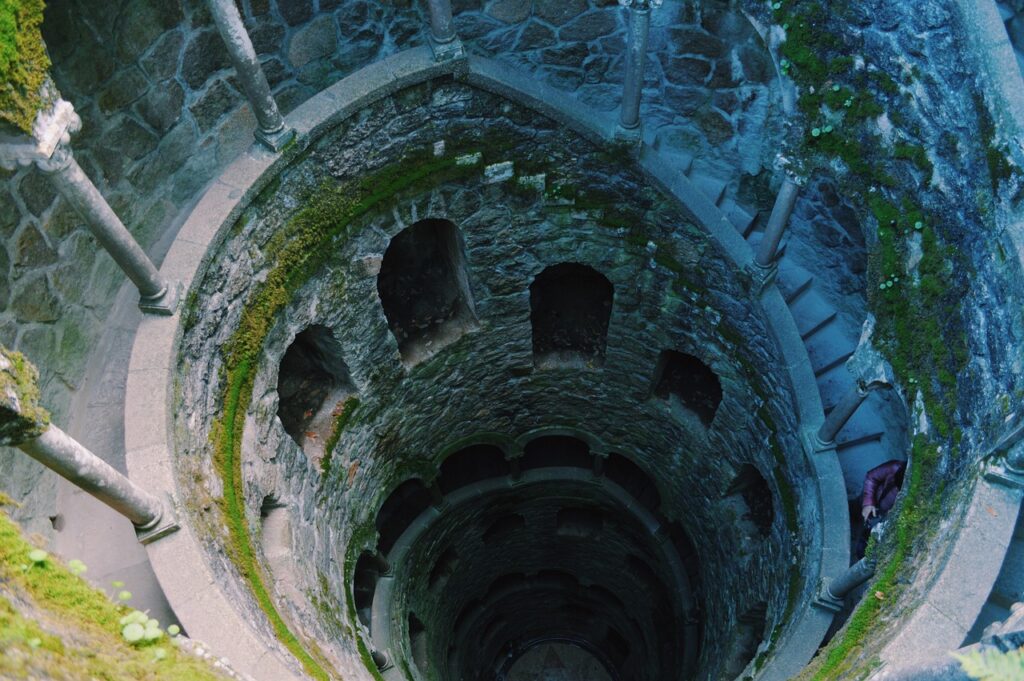
Quinta da Regaleira is a theater of symbols, a story carved in stone and planted into the landscape. Conceived in the early 20th century for billionaire António Augusto Carvalho Monteiro and developed by architect Luigi Manini, the estate mixes neo-Gothic chapels, ponds, artificial caves, secret tunnels and above all the famous « Initiation Well » (Poço Iniciático) — a spiraling underground shaft that feels like a symbolic descent into the unconscious and alchemy. Exploring Regaleira is stepping into a symbolist novel: every passage, staircase and statue bears meaning, sometimes Masonic, sometimes mystical, often intentionally ambiguous.
The visitor’s progression is organic: first the palace and its facades, then the park where themed spaces unfold. Take time to descend the main well; the sight of concentric stone steps, the light filtering from above and the echoing stone create a unique sensory moment. Afterwards, follow the tunnels — some lead to secluded chapels, others to springs — and let the vegetation wrap around the discovery. The paths aren’t always clearly signposted; that’s deliberate: the stroll is meant to invite experimentation.
Local tips:
- Visit Regaleira in the early afternoon to benefit from dramatic light contrasts inside the wells and caves.
- Bring a flashlight to explore secondary tunnels — most are lit, but a personal light source heightens the atmosphere.
- Respect the fragility of the spaces: some caves and mosaics have been restored and require care.
- Access: 10–15 minutes on foot from Sintra’s historic center or by taxi. Avoid the bus route if you prefer a gentler walk.
Castelo dos Mouros: the medieval fortress and strategic memory
Full name: Castelo dos Mouros (Castle of the Moors)
Address: Estrada da Pena, 2710-609 Sintra, Portugal (access via the park and switchback trails)
Hours (indicative): 09:30 – 19:00 in high season, reduced hours off-season (check before you go).
Prices (indicative): Adult entry around €8.00–€9.00, reduced rates for children/seniors, sometimes included in certain regional combined tickets.
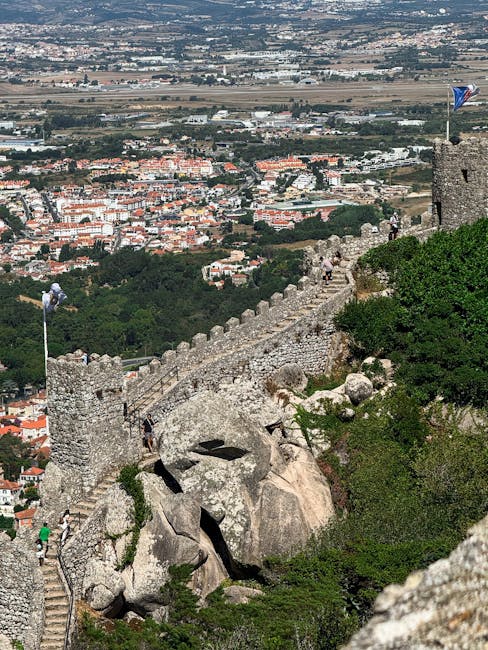
Castelo dos Mouros is a raw reminder of military history — a ribbon of crenellated walls, watchtowers and bastions that follow the ridgeline overlooking the valley. Built by the Muslims between the 9th and 15th centuries to monitor the roads and region, the castle offers a direct confrontation with stone, wild vegetation and wind. Unlike Pena and Regaleira, whose aesthetics capture the imagination through artifice and symbolism, the Castelo is a physical experience: irregular steps, narrow passages, embrasures and views toward the sea and the wooded landscape below.
The visit is demanding but rewarding. Climb the ramparts for panoramic views; the lookout points are one of the main draws: you can see Sintra, the mountain range and, in the distance, the Atlantic. The atmosphere is often less crowded than Pena because access requires more walking or a mix of bus and trails. The site is ideal for understanding Sintra’s strategic role in the history of the Iberian Peninsula and for sensing the persistence of a defensive past within a landscape that later became decorative.
Local tips:
- Plan a visit before noon to take advantage of favorable light and cooler temperatures on the ramparts.
- Closed-toe shoes are a must: trails are rocky and slippery when wet.
- Bring water and a hat in summer; there’s little shade on the highest parts of the site.
- Access: walk from Palácio da Pena (about 20–30 minutes depending on pace) or via local bus/walking routes from Sintra. The trail linking Pena to the Castelo is one of the most scenic in the area.
Conclusion: Three faces, one soul — how to plan your route and experience Sintra fully
Palácio Nacional da Pena, Quinta da Regaleira and Castelo dos Mouros aren’t just separate attractions: they form a polyphonic story that unveils Sintra’s complex personality. Pena embodies royal, picturesque imagination; Regaleira offers a symbolic, introspective immersion; while the Castelo recalls the physical presence of medieval defenses. Together they provide a complete experience: aesthetic, mental and physical.
Practical suggested plan:
- Typical day: start early at Palácio Nacional da Pena (arrive at opening), descend toward Castelo dos Mouros mid-morning to enjoy cooler temperatures, and finish the afternoon at Quinta da Regaleira, where shadows and filtered light create a mystical atmosphere.
- Transport: buy combined tickets for bus 434 if you want to limit walking, or be prepared to walk between sites for a deeper immersion in the Serra de Sintra.
- Tickets: favor fast-track tickets for Pena in high season; buy entries online if possible (official sites of Palácio Nacional da Pena, Quinta da Regaleira and Parque de Sintra / monuments).
- Respect and safety: follow local guidelines, respect restored areas and do not venture off-path into zones closed to the public.
Finally, a sensory tip: give yourself time between visits to sit on a bench, listen to the birds and observe the changing light. Sintra is meant to be experienced slowly; its magic doesn’t appear in a rush, but in a collection of moments — a view rediscovered, a sunlit stone, a staircase that leads to silence. These three sites, as different as they are, witness a town that transformed history into landscape, power into poetry and nature into stage. By exploring Palácio Nacional da Pena, Quinta da Regaleira and Castelo dos Mouros, you won’t just see monuments: you’ll feel the soul of Sintra.