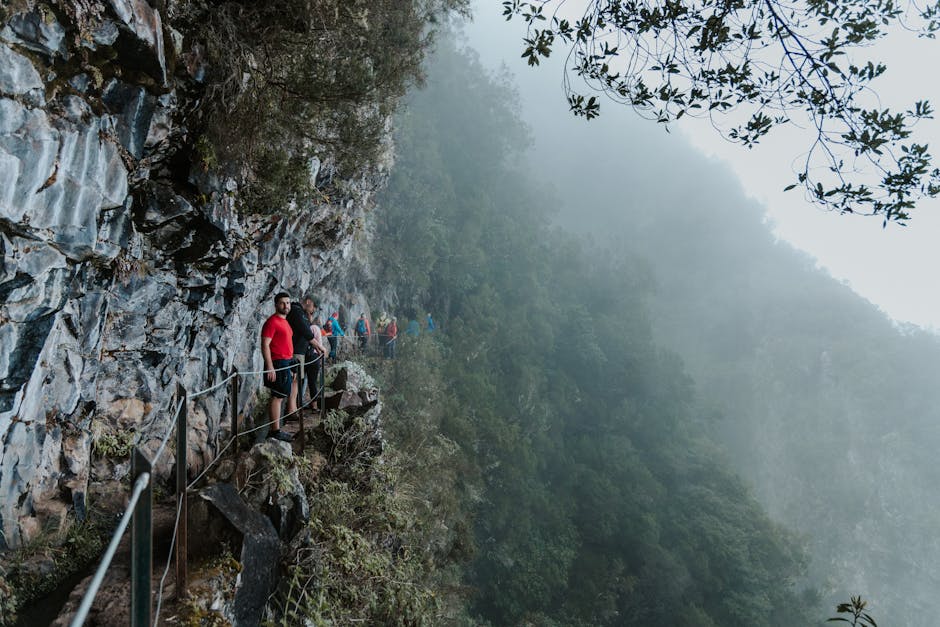






Introduction — Why Sintra Is Perfect for Secret Hikes (and How to Plan an Ideal Day)
Sintra is one of those European spots where history, landscape and lush vegetation come together to create an exceptional playground for hiking. Located about thirty kilometers west of Lisbon, the Serra de Sintra and the Sintra-Cascais Natural Park offer wooded ridgelines, misty valleys, hidden convents and Atlantic cliffs that many rushed visitors never take the time to explore. For the curious hiker, there are “secret” routes — little-used trails, forgotten viewpoints and pedestrian links between well-known monuments — that let you spend a full day on foot away from the tourist queues while discovering the region’s natural and cultural riches.
This guide is designed for a perfect day of secret hikes around Sintra, with suggested timetables, precise addresses, prices in euros where relevant, opening hours, immersive descriptions and practical local tips. We outline a typical loop that starts early to catch the best light, links iconic landmarks via quieter trails, passes through gardens and laurel forests, and then drops down to the coast for a dramatic Atlantic sunset. Each stage includes access details, estimated loop durations, difficulty level and crowd-avoidance tips — for example which car parks to use, where to buy tickets in advance and how to manage your water and snacks.
Important note: some sites like Palácio Nacional da Pena or Quinta da Regaleira have schedules and fees that vary by season; I provide up-to-date information or typical ranges for prices and opening hours, plus handy links (check official sites before you go). If you’re planning a full day, bring: sturdy hiking shoes (trails can be rooty and slippery after rain), a windproof layer (fog and sea breeze can be cool), water (1.5–2 L per person), energy snacks and a paper map or offline map app (mobile signal can be patchy in places).
Finally, to keep your day feeling “secret” and immersive, I suggest trail variants and detours that bypass the busiest pedestrian corridors between monuments. These detours lead to hidden viewpoints, ruined structures, springs and forest clearings where Atlantic flora and historic traces feel very present. Follow the descriptions below to build your ideal route — each section is planned to last between 1 and 4 hours depending on your pace, and together they form a balanced, full day of hiking.
Morning: From Palácio Nacional da Pena to Castelo dos Mouros — Ridge Walks and Misty Lookouts
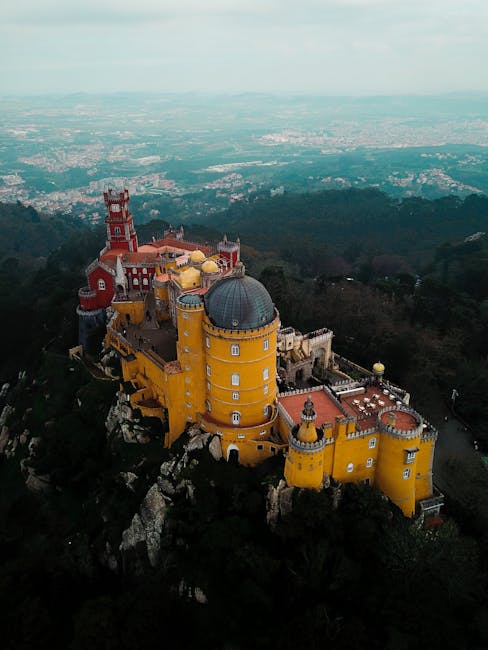
Start early to make the most of the Serra. Head to Palácio Nacional da Pena (Estrada da Pena, 2710-609 Sintra) right at opening to beat the crowds and to catch the trails that fan out from the esplanade. Hours: generally 09:30–18:30 (check the official site for seasonal changes). Indicative price: entry to Palácio Nacional da Pena around €14.00–€17.50 (different rates for park-only, palace+park, combined tickets; concessions for students/seniors). If you’re not keen on going inside, park in the public lot (Estrada da Pena, paid zone) and take a forest path up to the esplanade to admire the romantic architecture from outside — the views over Sintra and the coast are stunning at sunrise.
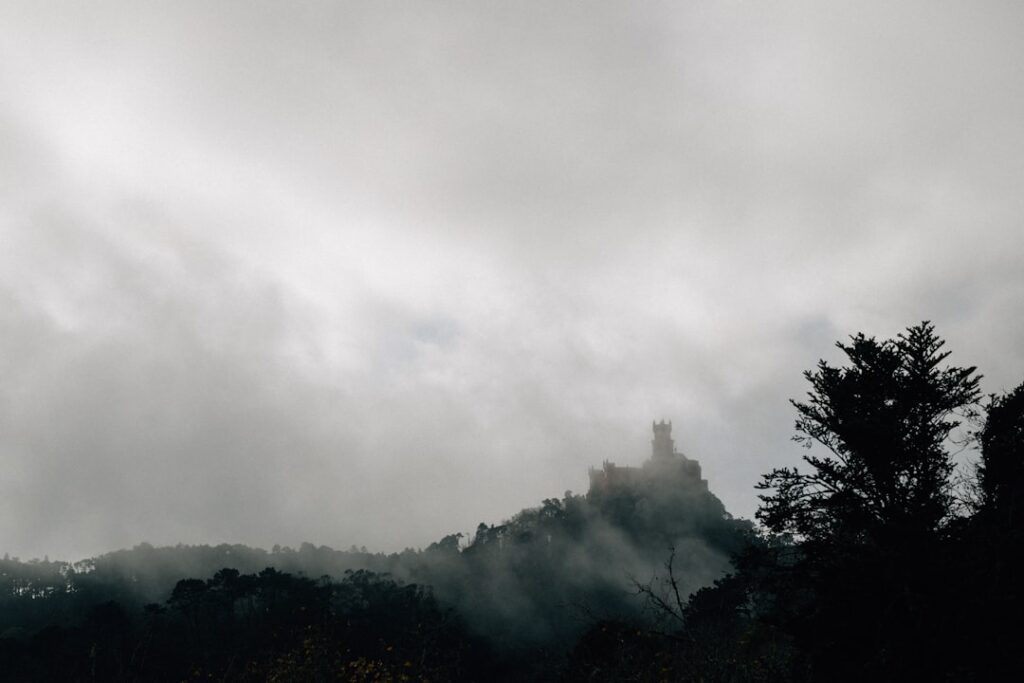
Suggested route: from the Palácio da Pena esplanade, follow the footpath that skirts the southern cliff toward Castelo dos Mouros (Castelo dos Mouros, Rua do Castelo, 2710-405 Sintra). The ridge link is a 20–40 minute walk depending on photo stops. Castelo dos Mouros usually opens 09:30–19:00. Price: entry to Castelo dos Mouros roughly €8.00–€10.00. The trail between the two monuments winds through pine woods and laurel copses, with views of medieval ramparts emerging from the mist — it feels like a true fairytale setting.
Immersive description: walk on paths carpeted in pine needles and moss, breathe the resinous, mist-soaked air. The castle walls appear gradually out of the trees, creating small clearings where light filters in bands. High viewpoints frame Palácio Nacional da Pena on one side and, to the west, the Atlantic Ocean and Cabo da Roca on the horizon. Take time to explore the quieter towers on the castle’s east façade — early in the day you’ll often have these views to yourself.
Local tips: buy tickets online for Pena and Castelo dos Mouros if you plan to go inside (skip-the-line options); arrive before 10:00 to avoid shuttles and tourist buses. Wear grippy shoes — some walkways stay damp. Bring a small blanket or poncho if the fog is thick: temperatures can drop quickly. If you want to extend the morning, follow the PR1 (“Percurso da Pena”) to less-visited lookouts to the northwest (adds about 60–90 minutes).
Late Morning / Midday: Quinta da Regaleira and the Initiation Well Loop
After the ridge, drop back down toward Sintra town center to explore Quinta da Regaleira (Quinta da Regaleira, Rua Barbosa do Bocage 5, 2710-567 Sintra). Hours: generally 10:00–18:30 (seasonal variations). Price: entry around €10.00–€12.00 for the gardens and palace; guided tours extra. It’s centrally located and reachable on foot from the train station in 10–20 minutes, or by local bus (Scotturb).
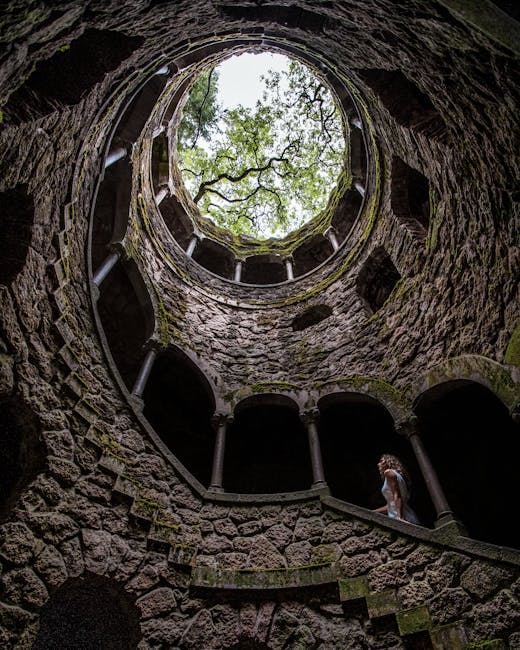
Immersive description: Quinta da Regaleira is a maze of gothic gardens, tunnels, man-made caves and initiation wells. The “Poço Iniciático” (Initiation Well) is a roughly 27-meter deep spiral shaft that descends like an inverted shaft of light — perfect for dramatic photos and a moment of quiet contemplation. Allow 1.5–2 hours to explore at a relaxed pace: climb and descend secret stairways, follow subterranean passages and marvel at the pools and luxuriant vegetation. The atmosphere is distinct: fine mist, moss-covered stone and muted light that feels lifted from a symbolist novel.
Suggested route: do the main garden loop (about 1 km of internal walking) and then follow the pedestrian link toward the Macas/Seteais valley if you want a peaceful lunch with a view. For a quick, authentic bite try a local pastry (Sintra’s travesseiros) at a recommended bakery near the historic center (Rua das Padarias): a small indulgence to recharge before the afternoon.
Local tips: Quinta gets busy after 11:30; if you want photos without crowds, enter at opening or book an early private tour. Paths can be muddy and slippery after rain; avoid sandals. Respect ropes around fragile tunnels and don’t climb on ancient walls. If you have time, combine the visit with a meal at Terroir or a picnic in a quiet garden nook — there are shaded benches perfect for a silent lunch.
Afternoon: Monserrate Gardens and the Ascent to Santuário da Peninha — Exotic Woods and Atlantic Vistas
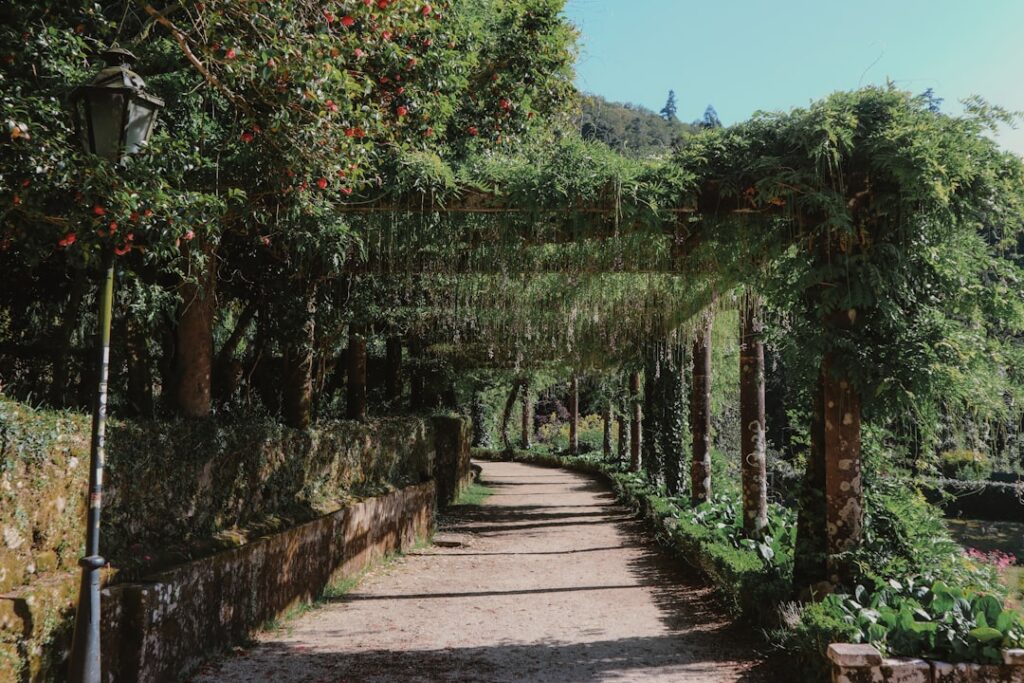
After lunch, take a taxi or bus to Monserrate (Parque de Monserrate, Rua Visconde Monserrate, 2710-405 Sintra). Hours: generally 10:00–18:00 (check season). Price: entry to Monserrate Park and Palace around €8.00–€10.00. Monserrate is famous for its romantic botanical gardens with Moorish influences and exotic plant collections, creating humid microclimates — perfect for a leisurely afternoon stroll.
Recommended hike: from Monserrate, link up with the lesser-used trail that climbs to Santuário da Peninha (Santuário da Peninha, Estrada da Peninha, 2710-405 Sintra) — the ascent typically takes 1h30–2h depending on stops. This path moves from dense vegetation (laurissilva, ferns, pines) to an exposed rocky ridge with 360° panoramas: forest, Sintra, the coast and, on clear days, the Berlenga archipelago. The Santuário da Peninha is a small hilltop sanctuary; access is free and it’s a superb spot for a contemplative break.
Immersive description: the shift from Monserrate’s cultivated gardens to the wildness of the trail up to Peninha is striking. First you stroll among planted beds and ponds, then your steps crunch on roots and finally you pick your way over granite slabs where only tufts of gorse grow. At the sanctuary you’ll sometimes hear the distant cry of seabirds — the Atlantic feels close in the salty air. The final stretches offer rocky viewpoints ideal for sitting down, drinking in the views and spotting Cabo da Roca and Praia das Maçãs on the horizon.
Local tips: bring a headlamp if you plan to explore small cavities along the route; some sections can be poorly waymarked. If you’d rather skip the climb, you can drive to a nearby parking spot on Estrada da Peninha, but walking gives richer views and more solitude. Pack a windproof jacket — the summit is exposed to sea winds. If you meet a local hiking group (often departing from Sintra Vila), consider tagging along — they usually know interesting panoramic side routes.
Late Afternoon and Sunset: Cabo da Roca, Praia da Adraga and the Atlantic Cliffs
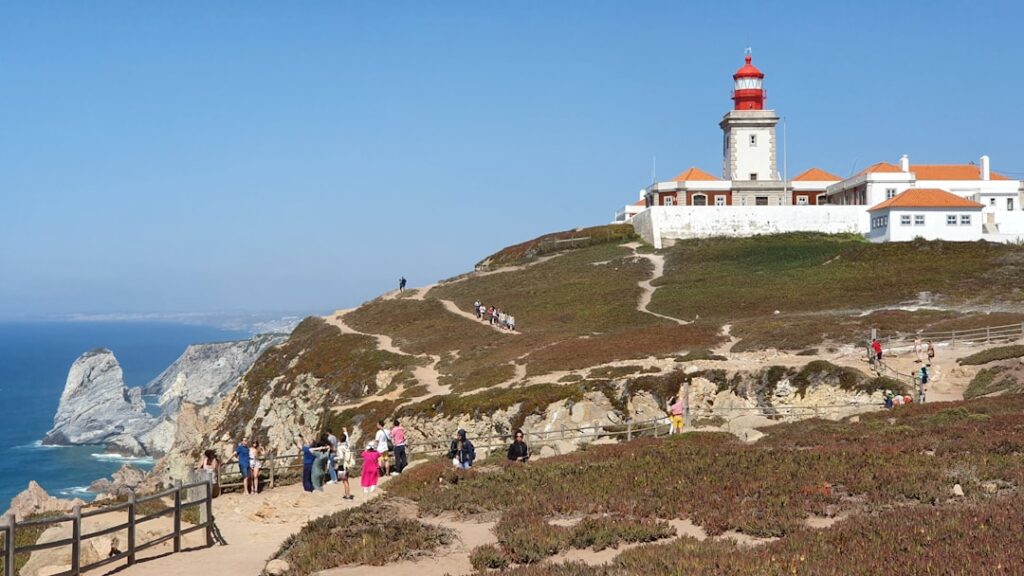
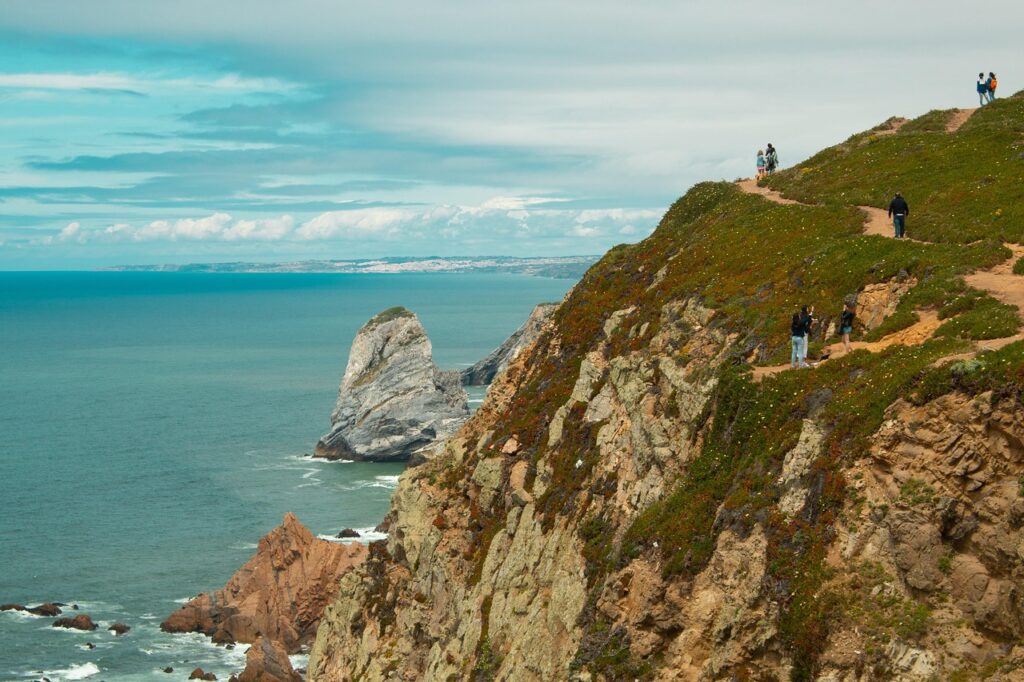
To finish your day, descend toward the coast. The classic route leads to Cabo da Roca (Parque Natural de Sintra-Cascais, Cabo da Roca, 2705-001 Colares), the westernmost point of continental Europe. Access is free and the headland is open 24/7 (beware of unprotected cliff edges). The promontory provides one of the region’s most spectacular sunsets; arrive 45–60 minutes before dusk to pick your viewing spot.
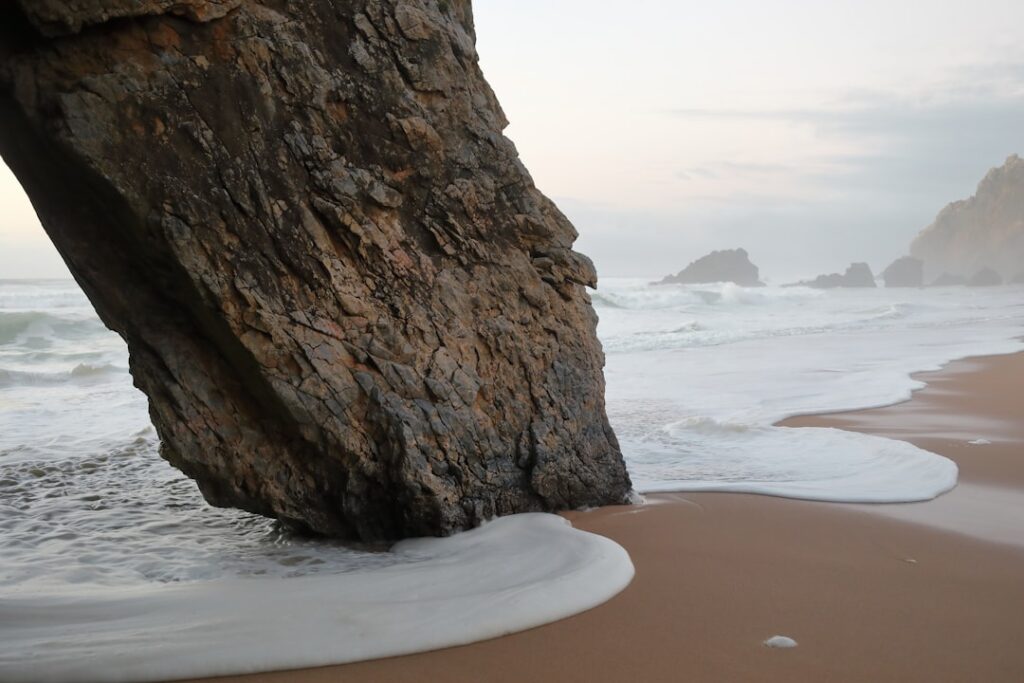
Wild variant — coastal hike: from Cabo da Roca, follow the coastal path toward Praia da Adraga (Praia da Adraga, 2705-001 Almoçageme) — a moderate stretch of 2–3 hours depending on pace and photo stops. Praia da Adraga is a wild beach framed by cliffs and rock arches. Practical place to eat: Restaurante O Faroleiro, Estrada Nacional 247, 2705-001 Almoçageme (hours vary; local fish dishes from about €15.00–€25.00 depending on the dish). The beach is free; parking is paid or limited during peak times.
Immersive description: walking along the cliffs brings intense sea scents, strong winds and sweeping panoramas. Waves crash on sculpted rocks and the low evening light brings out the ochre tones of the cliffs. Stop on rocky ledges to watch seabird colonies and sometimes dolphins offshore. If you prefer a gentler ending, head to Praia das Maçãs (Praia das Maçãs, 2710-405 Sintra) for a coffee by the sea, then catch the little tourist train or a bus back to Sintra Vila.
Local tips: check the exact sunset time before you set out and bring a torch if you’ll finish after dark (some trails aren’t lit). Respect signs and barriers near cliffs; erosion is active and dangerous. For dinner after the hike, many coastal restaurants take reservations and serve fresh fish — choose the catch of the day or a cataplana for an authentic local meal.
Conclusion — Recommended Route and Final Tips for a Memorable Day
A day of “secret” hikes around Sintra can easily combine misty hills, romantic gardens, mysterious wells and Atlantic cliffs. A sample itinerary — early start at Palácio Nacional da Pena, ridge hike to Castelo dos Mouros, descent and visit to Quinta da Regaleira, afternoon botanicals at Monserrate followed by the climb to Santuário da Peninha, and finishing at Cabo da Roca then Praia da Adraga — gives you a full palette of experiences. Estimated time: 9–12 hours depending on stops and interior visits. Total walking distance (depending on variants): 12–22 km.
Practical recap: bring appropriate shoes, enough water, a windproof layer and buy online tickets for Pena and Regaleira if you want to avoid queues. Important addresses: Palácio Nacional da Pena (Estrada da Pena, 2710-609 Sintra), Castelo dos Mouros (Rua do Castelo, 2710-405 Sintra), Quinta da Regaleira (Rua Barbosa do Bocage 5, 2710-567 Sintra), Parque de Monserrate (Rua Visconde Monserrate, 2710-405 Sintra), Santuário da Peninha (Estrada da Peninha, 2710-405 Sintra), Cabo da Roca (Parque Natural de Sintra-Cascais, 2705-001 Colares), Praia da Adraga (2705-001 Almoçageme). Indicative fees: Pena (€14.00–€17.50), Castelo dos Mouros (€8.00–€10.00), Quinta da Regaleira (€10.00–€12.00), Monserrate (€8.00–€10.00) — always check official prices before you go.
Finally, to keep the day feeling secret: set off early, favor side trails over main avenues, plan stages according to light (morning for Pena and ridges, afternoon for Monserrate/Peninha, evening for the coast) and pack out your rubbish. Sintra is environmentally and culturally fragile: walk slowly, listen to the forest and leave the place as you found it — letting the landscape enrich your experience. With these tips you can craft a custom day full of panoramas, local stories and quiet royal moments — the perfect day for anyone looking to discover the real Sintra away from the crowds.