





Introduction — Why Visiting Sintra Off-Season Is Worth It
Sintra, that little kingdom of wooded hills, colorful palaces and enchanted gardens, draws visitors year-round — but it’s off-season that the experience often feels most authentic, affordable and peaceful. In the low season (generally November to March, avoiding the year-end holidays if you’re after the lowest prices), Sintra offers quieter streets and often dramatic light for photography, plus gentler prices on accommodation, shorter lines at attractions and a vibe closer to everyday local life. It’s your chance to feel the fog rising in Pena Park, hear the distant sea from the walls of the Castelo dos Mouros and wander the hushed corridors of Quinta da Regaleira without fighting through organized tour groups.
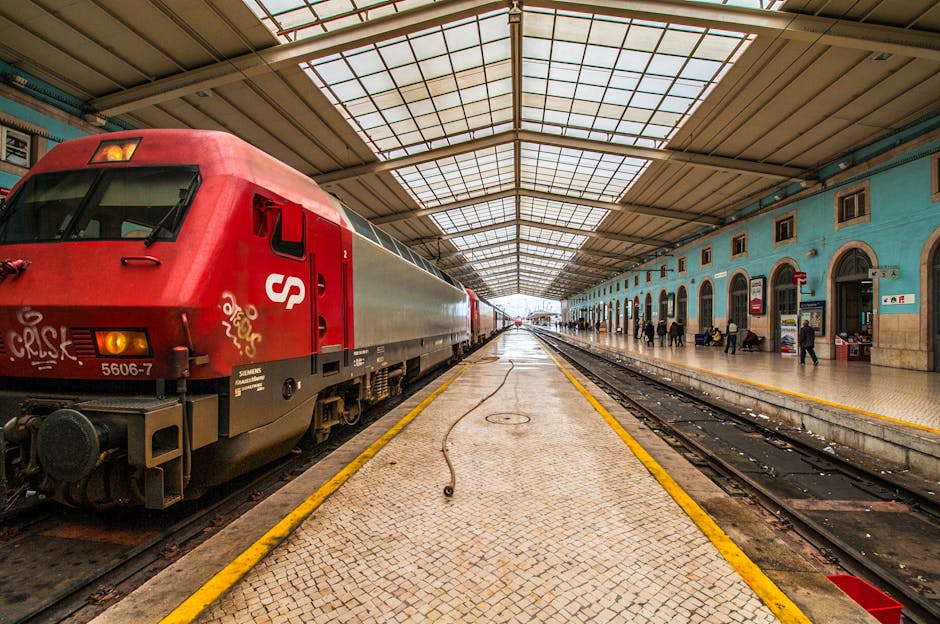
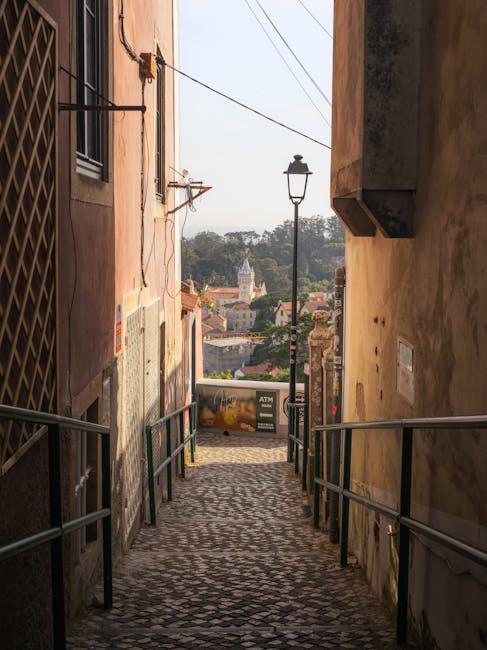
Off-season, skip-the-line tickets are often unnecessary and guided tour schedules become more flexible: you can snag a private tour or join a small group at a lower price. The cafés and restaurants in Sintra’s historic center (around Rua Dr. Alfredo Pinto / Travessa das Cruzes) tend to feature seasonal menus where local produce (fresh fish, mushrooms, almond pastries) is more common and cheaper. Getting to Sintra from Lisbon is easier too: fewer travelers on the CP trains (Lisboa Rossio – Sintra line) means more seats and less stress when timing connections to shuttles and local buses.
This detailed guide walks you step-by-step through an off-season visit to Sintra, with exact addresses, typical opening hours, indicative prices in euros, immersive descriptions and local tips to save money and make the most of your time. You’ll find practical info for five must-see sites — Palácio Nacional da Pena, Castelo dos Mouros, Quinta da Regaleira, Palácio Nacional de Sintra and Parque e Palácio de Monserrate — plus suggested itineraries, transport tips and places to eat. All prices and hours are indicative; I recommend checking official sites before you travel since rates and schedules can change in the off-season.
Palácio Nacional da Pena and Park — Color, Views and Savings in Low Season
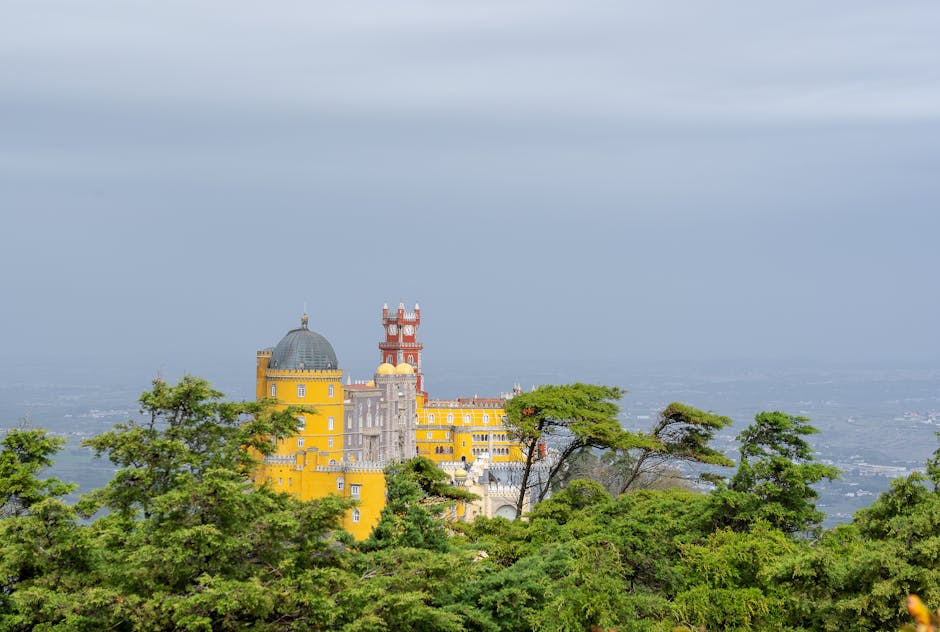
Palácio Nacional da Pena (Pena Palace) is arguably Sintra’s visual icon: a romantic residence crowned with red turrets, yellow domes and crenellated walls perched atop a wooded hill. Address: Palácio Nacional da Pena, Estrada da Pena, 2710-609 Sintra. Typical off-season hours: 09:30–18:00 (last park access varies). Indicative prices (off-season, check online): combined Palace + Park ticket about €14.00 (adult), park-only entry about €7.00, reduced rates for youth/students and possible free entry for children under 6. Rates may rise in high season or during special events.
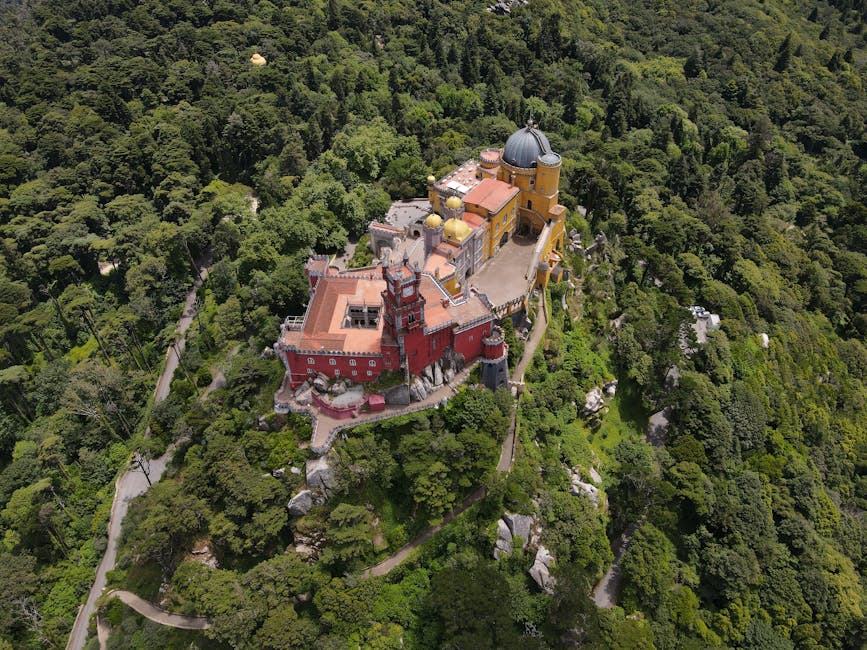
Immersive visit: Hike the paths through Pena Park before going inside the palace to enjoy the views without the crowds. Winter mist that often wraps the Serra de Sintra creates an almost mystical atmosphere: the palace’s vivid colors pop against gray-green backdrops, offering unique photographic angles. Inside, expect rooms decorated in 19th-century Romantic style, with moldings, tapestries and period furniture. Allow 1½ to 2 hours for a full visit (park + interior).
Local money-saving tips: buy tickets online on the official site (parquesdesintra.pt) selecting date and time — in low season, early morning or late slots make access easier and can be cheaper. If you’re staying several days, consider the “Parques de Sintra” combined pass covering multiple properties — it can be cost-effective. Arrive early (or late afternoon) to avoid tourist buses and use the public parking at the park entrance if you’re driving (paid parking). The walking route from town is doable for fit visitors (about 45–60 minutes), which avoids shuttle costs if you’re up for it.
Castelo dos Mouros and the Viewpoints — Ruins, Sea Views and Quiet Walks
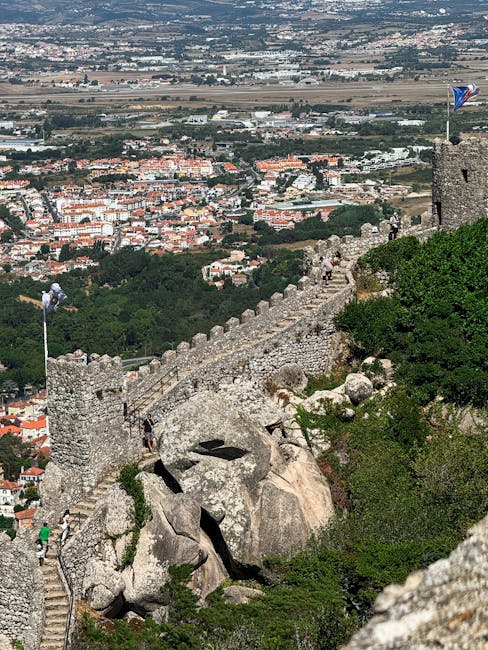
The Castelo dos Mouros (Castle of the Moors) runs along a rocky ridge, offering spectacular views over Sintra’s palaces and out to the coast. Address: Castelo dos Mouros, 2710-405 Sintra. Typical off-season hours: 09:30–18:00 (may vary). Indicative price: around €8.00 for adult entry. The site is ideal for solitude and dramatic golden-hour photos.
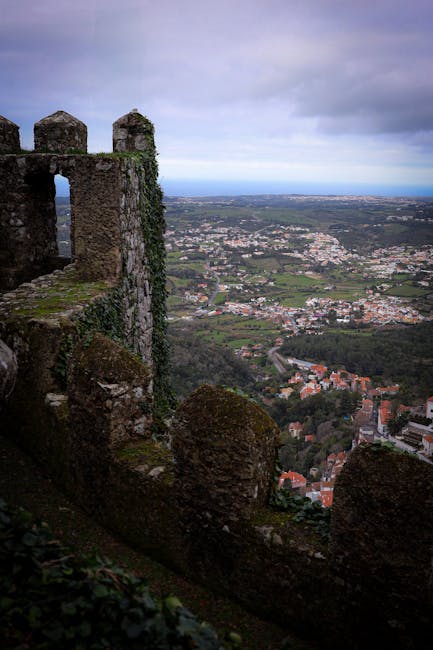
Immersive visit: The ramparts snake along the slope, punctuated by towers open to visitors. Take your time, notice the Mediterranean vegetation (cistus, cork oaks) and listen to the wind coming down from the Atlantic — off-season the experience feels wilder and more contemplative. The climb can be steep: bring hiking shoes, water and a windbreaker. Viewpoints like Miradouro da Rainha and other overlooks near the trail provide splendid perspectives on Palácio da Pena and, ultimately, the sea — especially at sunrise or sunset.
Practical tips: pair Castelo dos Mouros with a visit to Palácio da Pena on the same day (separate or combined tickets depending on offers). If using public transport, take bus 434 (circular) from Sintra station — service is less frequent off-season but vehicles are less crowded. To save money, walk from the historic center if you’re fit: it avoids bus fares and reveals lesser-known trails. In winter, watch for slippery walls after rain and take care.
Quinta da Regaleira and the Mystery of Initiations — Caves, Wells and Secret Gardens
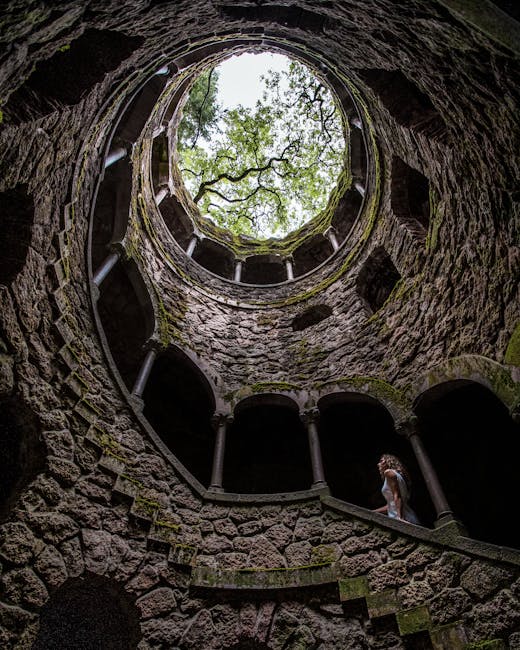
Quinta da Regaleira is a maze of symbols, arcades and mysterious gardens. Address: Quinta da Regaleira, Rua Barbosa do Bocage 5, 2710-567 Sintra. Typical off-season hours: 10:00–18:00 (sometimes closed between Christmas and New Year, check ahead). Indicative price: adult entry about €10.00. The famous Initiation Well is a highlight: a spiral shaft carved into rock that leads to underground galleries and caverns.
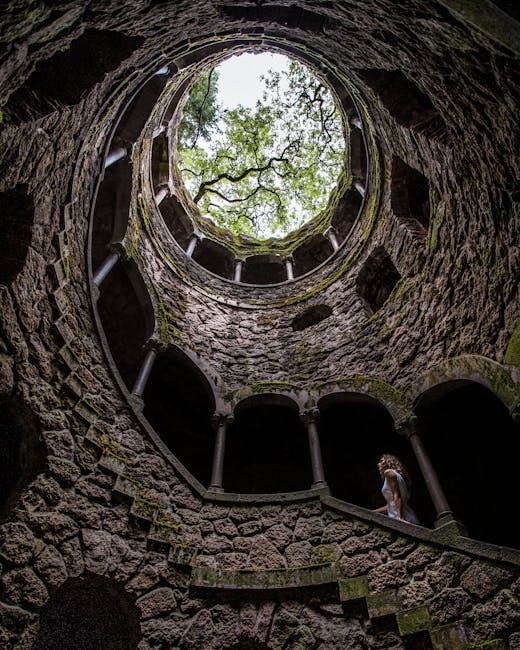
Immersive visit: Start in the park and let the winding paths, bridges and artificial grottoes draw you in. The main palace blends Gothic and Manueline influences, and Masonic, Rosicrucian and alchemical symbols are found everywhere. Descend the Initiation Well (mind wet steps): the mix of shade, stone and dampness feels transported from another time. Plan at least 1½ hours to explore without rushing. In the off-season you’ll often have the well to yourself — perfect for intimate, contemplative photos.
Local tips: book your ticket online to secure the time you want. The site shop sells guides and books on the estate’s symbolism — handy if you want to dig deeper. For a post-visit snack, try the local pastry shop Casa Piriquita in the center (verify the exact address), famous for its travesseiros (almond cream puff pastries) — usually less crowded off-season. If you want a guided tour focused on symbolism, hire a local guide for a deeper explanation (prices vary).
Palácio Nacional de Sintra and Monserrate Palace — Historic Center and Exotic Botany
Palácio Nacional de Sintra (the former royal palace in the town center) and Palácio de Monserrate (an exotic park and palace) offer two complementary experiences: civic history in the heart of town and romantic escape in a garden with eastern influences. Address Palácio Nacional de Sintra: Largo Rainha Dona Amélia, 2710-616 Sintra. Hours: 09:30–18:00 (may vary off-season). Indicative price: adult entry about €10.00. Address Palácio de Monserrate: Parque de Monserrate, Quinta de Monserrate, 2710-405 Sintra. Hours: 10:00–18:00 (seasonal). Indicative price: adult entry about €8.00.
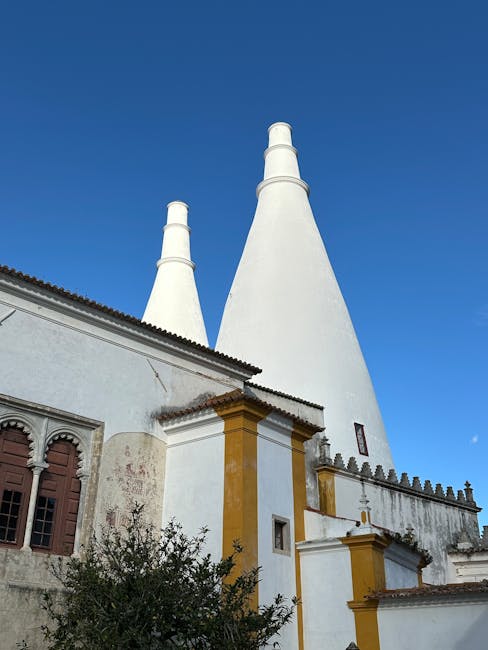
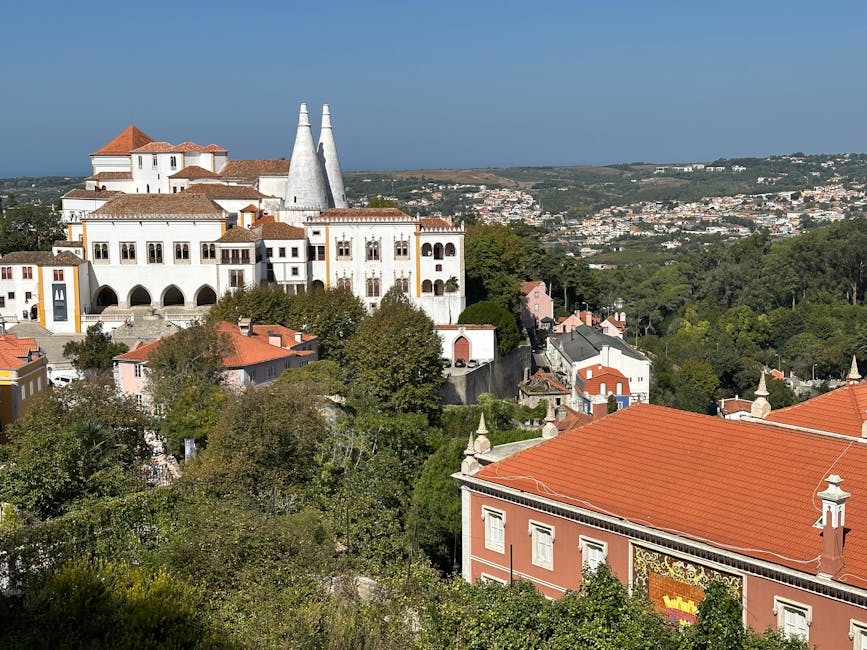
Immersive visit to Palácio Nacional de Sintra: Located on the main square, the palace is easy to spot by its two characteristic conical chimneys and the azulejos (painted tiles) that decorate its rooms. Interiors are richly adorned with tile cladding, state rooms and impressive medieval kitchens. While touring, picture royal banquets and court life, and use the site museum to place Sintra in the Portuguese context from the 15th to the 19th centuries.
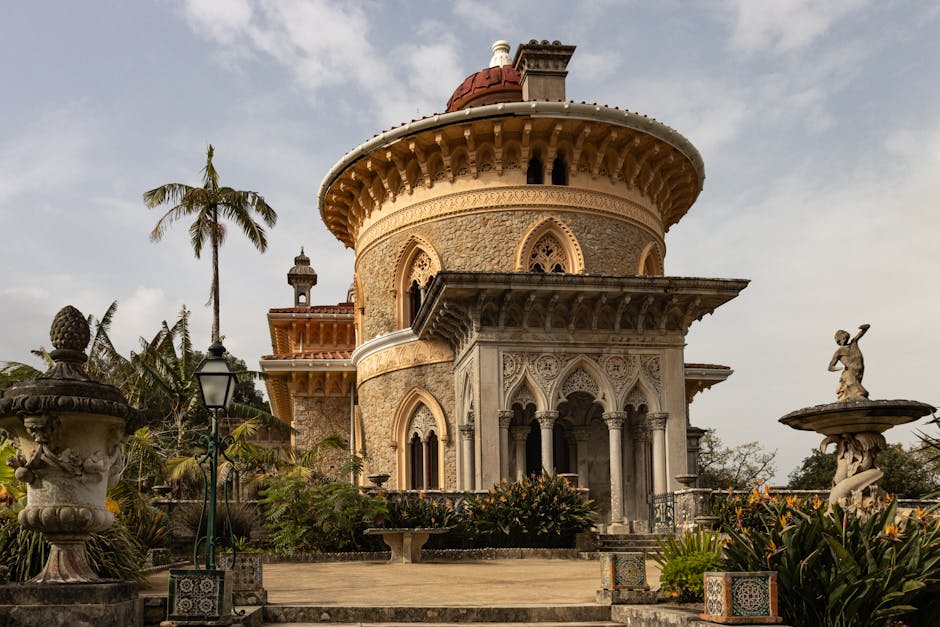
Immersive visit to Palácio de Monserrate: This Romantic-style palace with Moorish and Gothic influences is set inside an exotic botanical garden where palms, bamboos and rhododendrons mingle. The park is perfect for a slow, photo-friendly stroll: winding paths, bridges and small waterfalls create shifting viewpoints. Off-season, plants take on deeper hues and the tranquility of the site is remarkable.
Practical tips: do Palácio Nacional de Sintra in the morning (before cafés fill up) and save Monserrate for the afternoon to avoid peak times. To save, look for accommodations that include breakfast and transfers: many pousadas and small hotels lower rates and add services in the low season. For travel between sites, the local Scotturb bus network and footpaths are workable; off-season, favor daytime bus schedules since frequency drops in the evening.
Conclusion — How to Maximize Savings, Calm and Immersion in Sintra Off-Season
Visiting Sintra off-season is a smart move for travelers who want to combine savings, serenity and deeper cultural experiences. Savings show up across the board: accommodation (notably lower rates from November to March), dining (winter menus and seasonal portions at reduced prices), transport (less need for skip-the-line tickets) and sometimes attraction entry through combined offers. But the main advantage is intangible: space and time. Off-season you access sites in a contemplative atmosphere — Pena Palace emerging from golden mist, the wind’s echo in the Castelo dos Mouros walls, the near-reverent silence of Quinta da Regaleira’s Initiation Well.
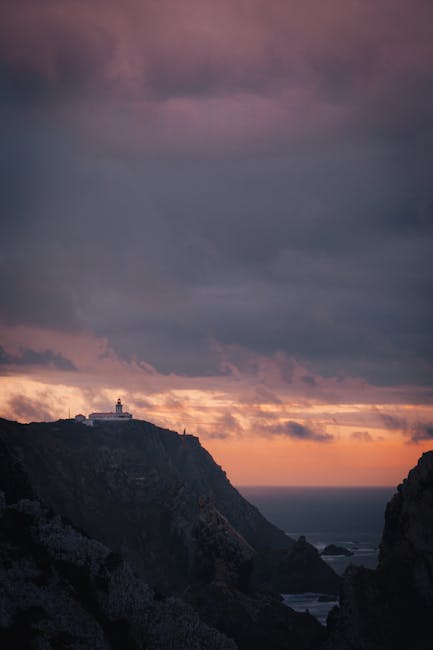
Before you go, note a few practical recommendations: always check official opening hours and buy tickets online from official sources (Parques de Sintra, Direção-Geral do Património Cultural); dress in layers (the Serra’s microclimate can be cool and damp), bring suitable shoes for muddy winter trails; prefer morning visits for the best light and quiet; download offline maps or carry a map (Google Maps, Maps.me) because mobile coverage in the woods can be spotty. For food, identify one or two pastry shops to try travesseiros and queijadas, and pick a coastal fish restaurant (for example in Azenhas do Mar or Colares): off-season these places often serve local produce at reasonable prices.
In short, Sintra off-season isn’t a downgraded experience but a revelation: a string of authentic moments where light, weather and calm restore the palaces and gardens to their poetic dimension. Plan with flexibility, book must-see tickets online if you need fixed times, and leave room for improvisation — often the best discovery comes from a coffee break in a damp side street.