





Introduction — Why everyone wants to stay in Sintra’s historic center (and why that’s become a problem)
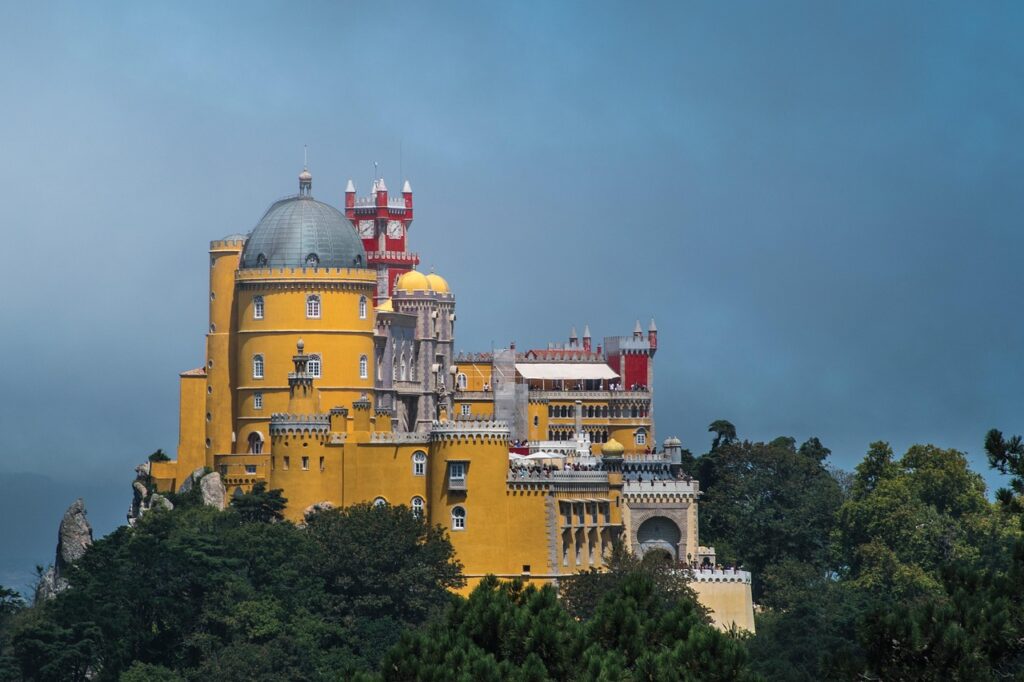
Sintra, with its romantic palaces, misty gardens and storybook cobbled streets, exerts an almost magnetic pull on travelers from around the world. Pena National Palace, the Castle of the Moors, Quinta da Regaleira — these names sound like promises of perfect photos and palpable history. It’s therefore become second nature to book a night in Sintra’s Centro Histórico with the idea of “saving time,” cutting down early-morning transfers and waking up right in the heart of the UNESCO-listed town. Who wouldn’t want a coffee steps from colorful houses and a quiet early-morning stroll before the crowds arrive?
Yet that instinct to “sleep as close as possible” is oversimplified and, in many cases, counterproductive. The historic center has changed dramatically over the past decade under the pressure of mass tourism. Narrow lanes that used to be quiet are now pipelines for whole coachloads of visitors, short-term rentals have reshaped the residential fabric, and local businesses have too often adapted to tourist flows rather than to a sustainable local life. The postcard atmosphere can feel more staged than authentic, and the night experience, far from romantic, can be noisy, expensive and frustrating.
In this contrarian guide, I want to dismantle the assumption that staying in Sintra’s Centro Histórico is automatically the best choice. I’ll explain, point by point, why this option is often overrated: logistics, nuisances, cost, limits for enjoying the sites, and loss of authenticity. But this isn’t just a rant. After each critique I’ll give concrete, high-quality alternatives — not vague ideas but actual addresses, price ranges and precise timing tips so you can choose accommodation that genuinely improves your stay in Sintra.
The aim isn’t to create an anti-historic-center doctrine, but to reframe the question pragmatically: do you want to be in the epicenter of a saturated tourist zone, or would you prefer to sleep somewhere offering calm, better value, good transport links and a more local feel? By the end of this article, you’ll have actionable arguments and alternatives to plan your trip differently — often cheaper and often with more genuine charm.
1) The myth of “optimal proximity”: being two steps away isn’t always practical
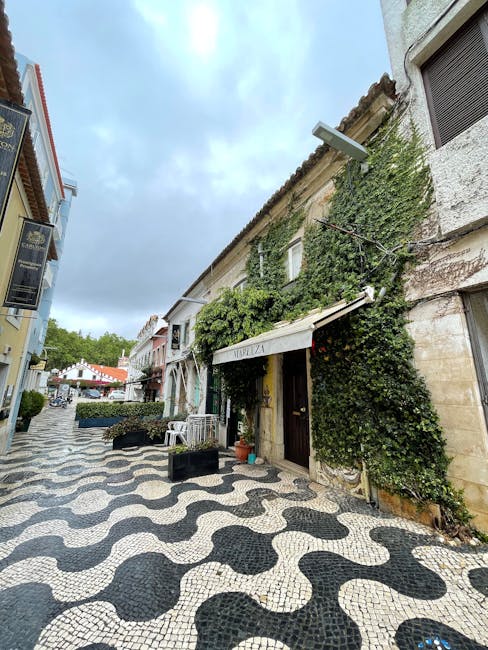
The promise of staying “just steps” from the monuments is alluring: fewer taxis, more time to wander, waking up right in the middle of the action. But the logistical reality of Sintra’s Centro Histórico quickly reveals the flaws in that thinking. Streets are narrow, steep and often cobbled; parking is virtually nonexistent and, when available, paid and very limited. Hotels and apartments in the center have restricted car access: deliveries and arrivals sometimes depend on occasional municipal allowances, and most accommodations will ask you to leave luggage at a distance or arrange delivery by an authorized van.
Consequence: arriving in Sintra by car, with family luggage or in a large group quickly turns into a hassle. The time you saved by being “close” can be eaten up by searching for parking, waiting for an arranged hotel transfer, or worse, having to leave your car at the edge of the tourist zone and climb hundreds of meters on slippery stairs. This is not just an inconvenience; it can ruin your entire arrival day if you’re tired from travel.
From a mobility standpoint, if you plan to rent a car to explore Sintra’s coast (Cabo da Roca, Azenhas do Mar, Cascais), staying in the historic center often forces you to use distant municipal car parks, or to negotiate with your hotel for expensive private parking. Finally, if you arrive by train or bus from Lisbon, the center may seem logical — but keep in mind the Sintra station is about a 15–25 minute walk depending on your exact location, and the elevation change makes a morning stroll less appealing if you’ve got baggage.
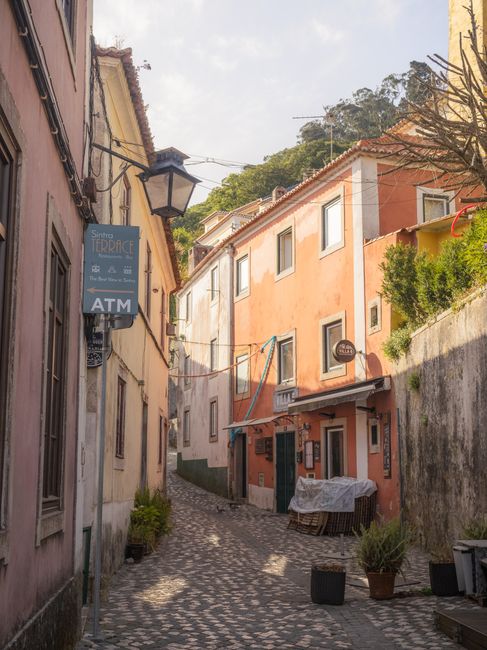
In short: physical proximity doesn’t make up for time lost to logistics. It’s like choosing an office on the corner because it’s “nearby” even though the building has no elevator. The real question is: what experience do you want after 6pm, when the tour buses have left, restaurants close, and the center turns into a patchwork of tourist rentals?
2) Noise, commotion and loss of soul: the historic center has become a showcase, often at the expense of everyday life
One of the most overlooked costs is the intangible toll that uncontrolled tourism takes on residents’ lives. Short-term rentals, Airbnb and similar platforms have deeply altered the residential makeup of Sintra’s Centro Histórico. Families have sold properties to small landlords focused on short stays; traditional shops have been replaced by souvenir outlets, quick-service snack places optimized for the tourist flow and restaurants offering westernized menus. The result? A center that sometimes functions more like a stage set than a living neighborhood.
At night the vibe is mixed: some alleys are deserted, mysterious and charming; others concentrate noise — bars, restaurants and late-night tourist groups. Tour coaches drop passengers early in the morning and again mid-afternoon, creating a discontinuous and noisy flow. Add groups that linger late, nighttime deliveries for shops, and you get nights that often lack tranquility — especially in high season (May to September). For travelers who want a restful sleep after a day of walking, this is not trivial.
Furthermore, the sense of authenticity fades: freshly maintained façades can be recent restorations aimed at aesthetics, and the food scene can feel standardized. Good local spots still exist, but finding them takes effort and often requires resisting the latest Instagram guide. If you’re seeking a real immersion in contemporary Portugal — local markets, pastelarias where regulars meet, a neighborhood barber or an independent bookshop — you’ll often find it 10–15 km away from the historic tourist core.
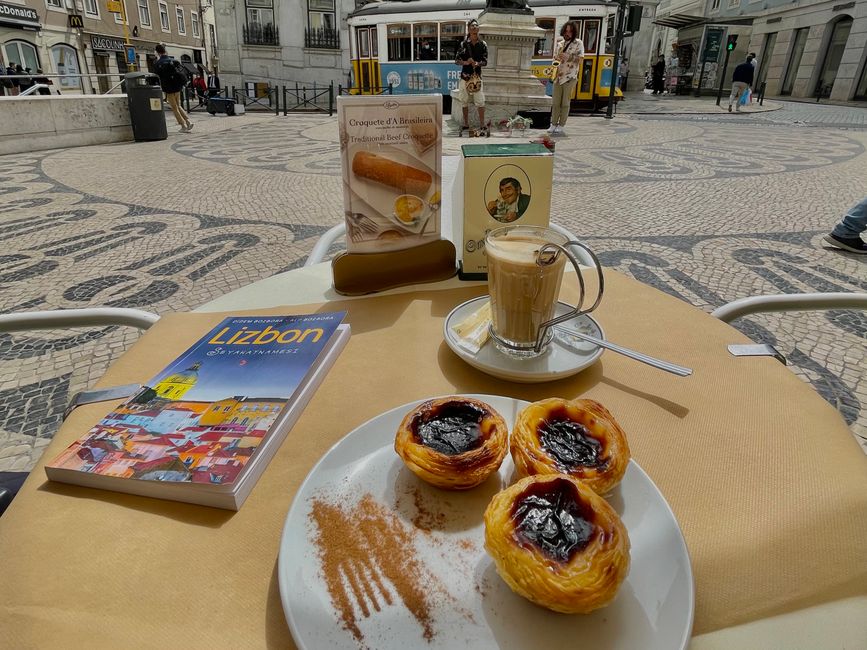
Partial conclusion: staying in the historic center is alluring for the image, but weaker for depth of experience. If you want to meet Portugal today — human, slightly rough around the edges but warm — you should open the map and look beyond the tourist enclosure.
3) The hidden cost: inflated accommodation, dining and service prices in and around the center
It’s tempting to assume a central location always justifies a higher room rate. In reality, Sintra’s Centro Histórico often posts elevated prices, driven by high season demand and limited property supply. Small family-run rooms — once affordable — can now fetch prices comparable to better-equipped hotels 10–20 minutes away by car. On top of room rates, there are indirect costs: pricier meals, overpriced drinks on busy terraces and additional service fees (parking, luggage transfers) charged by accommodations.
To give a sense of scale: in high season (June–September), a basic double room in the Centro Histórico can range from €100 to €220 per night for modest to mid-range places. Out of season prices drop, but the gap with outside alternatives often remains small. By comparison, staying in Colares, Praia das Maçãs or Cascais can offer higher-quality options at often lower rates (larger rooms, balconies, included parking).
Another point: small eateries and tourist-targeted restaurants sometimes overcharge for smaller portions. This impacts your daily budget: €15–€25 for a main dish in a “tourist tavern” is common, while local-frequented places near but outside the tourist zone can offer full meals for €8–€12.
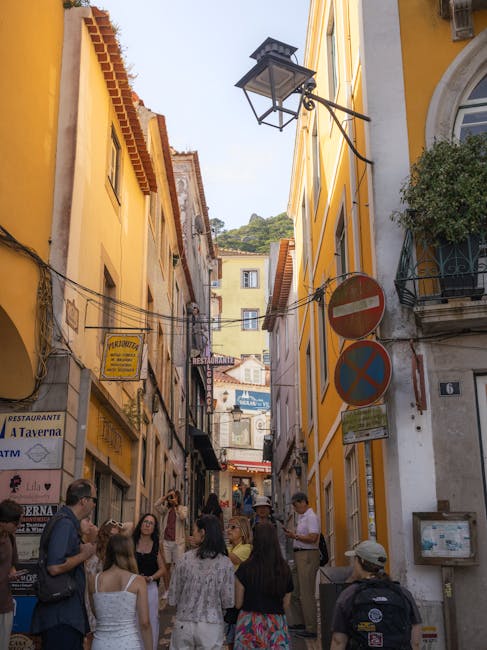
In short, staying in the center isn’t necessarily economical — and often not the best value. For travelers mindful of budget and nighttime comfort, the historic center can be both more expensive and less comfortable than well-chosen alternatives.
4) Best practical alternative: Hotel Baía (Cascais) — comfort, access and tranquility 40–60 minutes away
If you want to avoid the pitfalls of the Centro Histórico while staying well positioned to visit Sintra, Cascais is an excellent choice. The coastal town is charming, well connected, and offers easy access to Sintra by bus or car. Here’s a proven, practical option:
- Name : Hotel Baía
- Address : Praça 5 de Outubro 5, 2750-305 Cascais, Portugal
- Indicative price : €90–€180 per night for a double room (varies by season and room type). Book ahead in high season.
- Hours / Check-in : Check-in from 15:00, check-out by 12:00. 24-hour reception.
- Highlights : seafront location, some rooms with bay views, direct access to beaches and public transport.
- Access to Sintra : Scotturb bus line 403 (Cascais – Sintra): direct trip around 40–50 minutes; frequency varies, generally every 30–60 minutes from 07:00 to 20:00 (seasonal). Alternatively, take the Cascais train to Cais do Sodré, then metro/transfer to Rossio and a CP train to Sintra — but the direct bus is usually simpler.
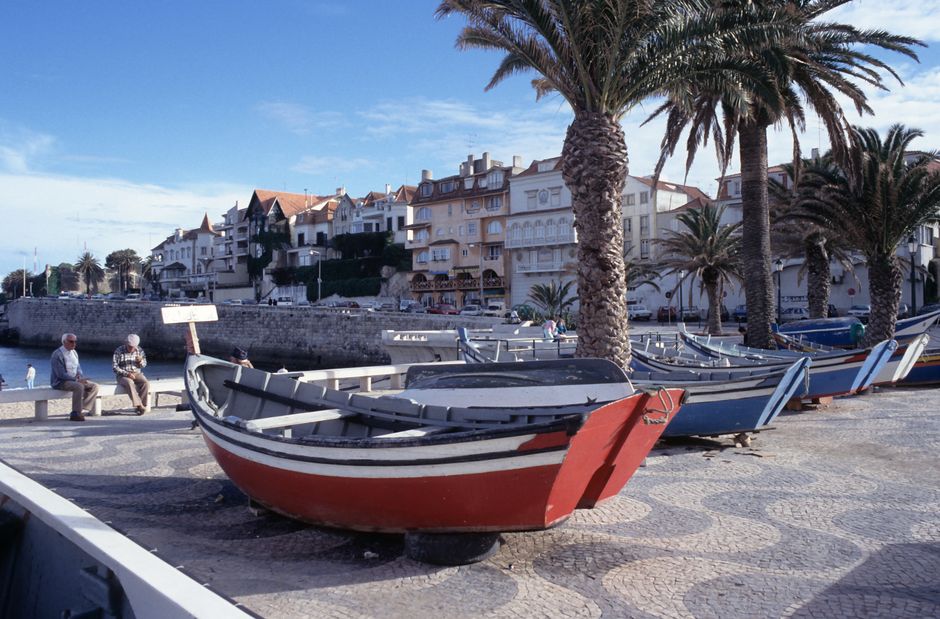
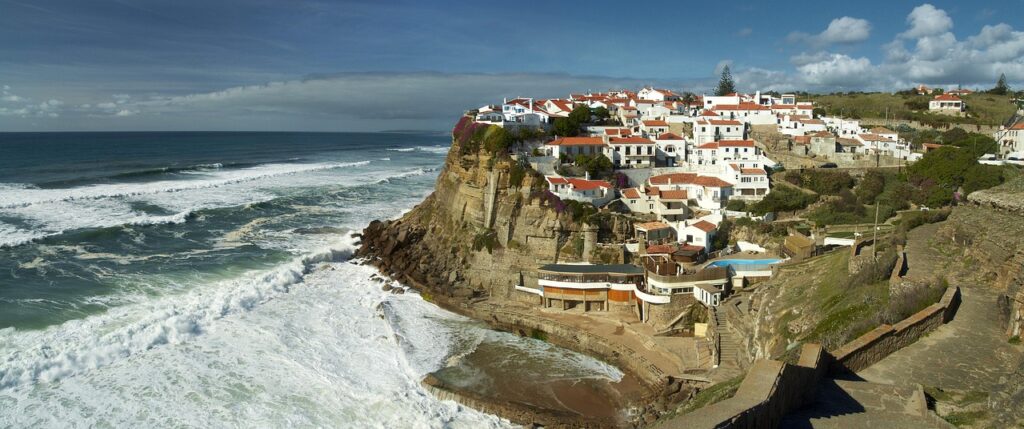
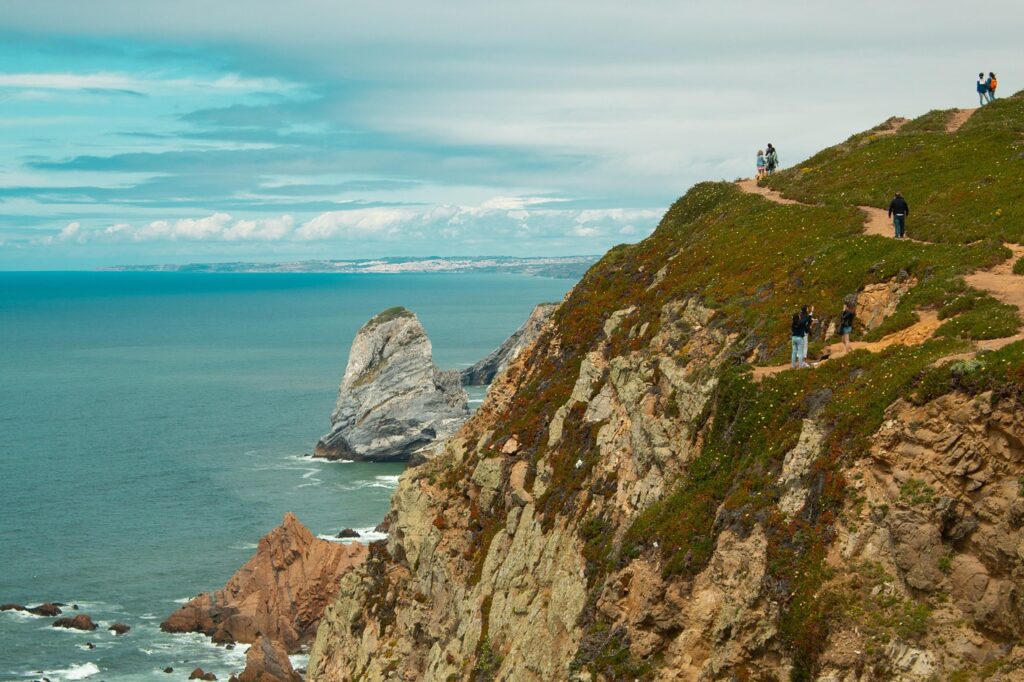
Why this alternative works: Cascais offers a dual advantage — the relaxed seaside lifestyle (fish restaurants, seafront walks, beaches) and dependable logistics. You avoid the coach queues in central Sintra, sleep in a peaceful setting and can plan early visits to monuments when they’re less crowded. Cascais is also a handy base to explore not only Sintra but the coastline up to Cabo da Roca and fishing villages like Azenhas do Mar.
5) A charming closer option: Praia das Maçãs / A Casa do Mar (guesthouse) — coastal vibe, 20–30 minutes from Sintra
If you want to stay physically near Sintra without suffering its nighttime nuisances, the west coast has truly appealing villages. Praia das Maçãs is one of them: a wide beach, morning cafés and a family-friendly atmosphere. For a concrete and quality option, here’s a suggestion:
- Name : A Casa do Mar — Guesthouse (example of a charming stay)
- Address : Praia das Maçãs, 2705-101 Colares, Portugal (general area address)
- Indicative price : €60–€140 per night depending on room type and season. Many guesthouses include breakfast.
- Hours / Check-in : Check-in from 15:00, often flexible; check-out before 11:00–12:00. Book early in high season.
- Access to Sintra : Local Scotturb bus Praia das Maçãs → Sintra in 20–35 minutes, frequency variable (hourly in low season, more frequent in summer). By car allow 20–25 minutes (10–12 km) depending on traffic.
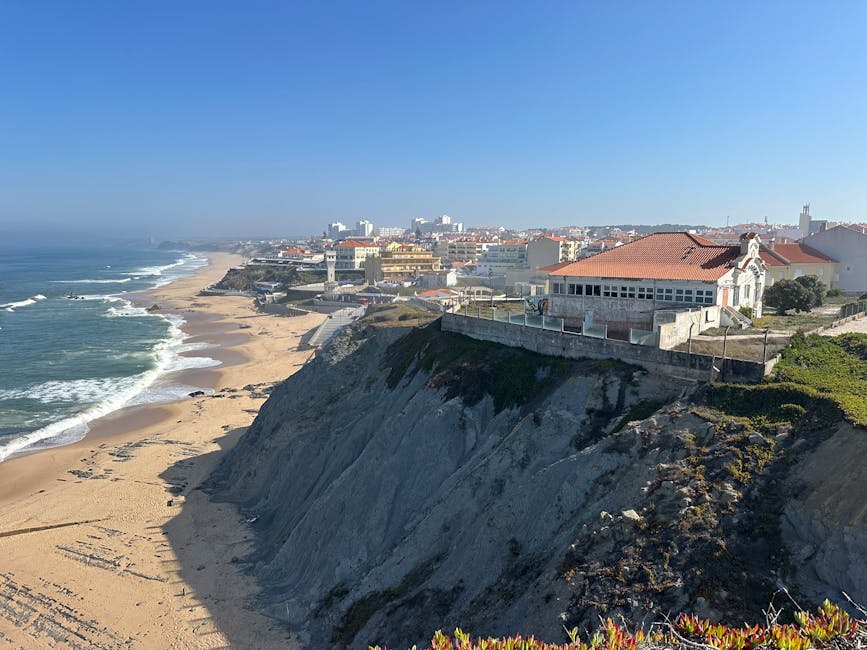
Why choose Praia das Maçãs? You’re on the Atlantic, often in a more local and less tour-operator-oriented atmosphere. Small restaurants serve fresh fish; beach walks never go out of style; and at night you enjoy restorative coastal quiet. Bonus: you can visit Sintra early in the morning and return for a cliffside sunset.
6) Practical tips if you still decide to stay in the Centro Histórico (how to minimize downsides)
I don’t want to be dogmatic: staying in Sintra’s historic center can still be a good fit for some travelers — honeymooners craving a nighttime atmosphere, photographers chasing dawn shots, or people with limited mobility who want to minimize transfers. If you opt for this, here are practical tips to make the most of your choice:
- Book a place with included parking : this will save you hours of stress hunting for a space. Many hotels list “private parking” on their profile; check access width and fees (often €10–€25 per day).
- Request a luggage drop-off : specify your arrival time when booking so the hotel can organize logistics — some allow temporary unloading in front of the entrance.
- Avoid rooms facing the main street : choose a courtyard-facing room if sleep is a priority.
- Plan visits off-peak : arrive at major sites (Pena Palace, Quinta da Regaleira) right at opening (usually 09:30) or late afternoon to dodge the crowds. Check official opening times before you go (see below).
- Seek out restaurants favored by locals : skip the “tourist set” menus on popular terraces. Side streets and local bakeries often offer better food and value.
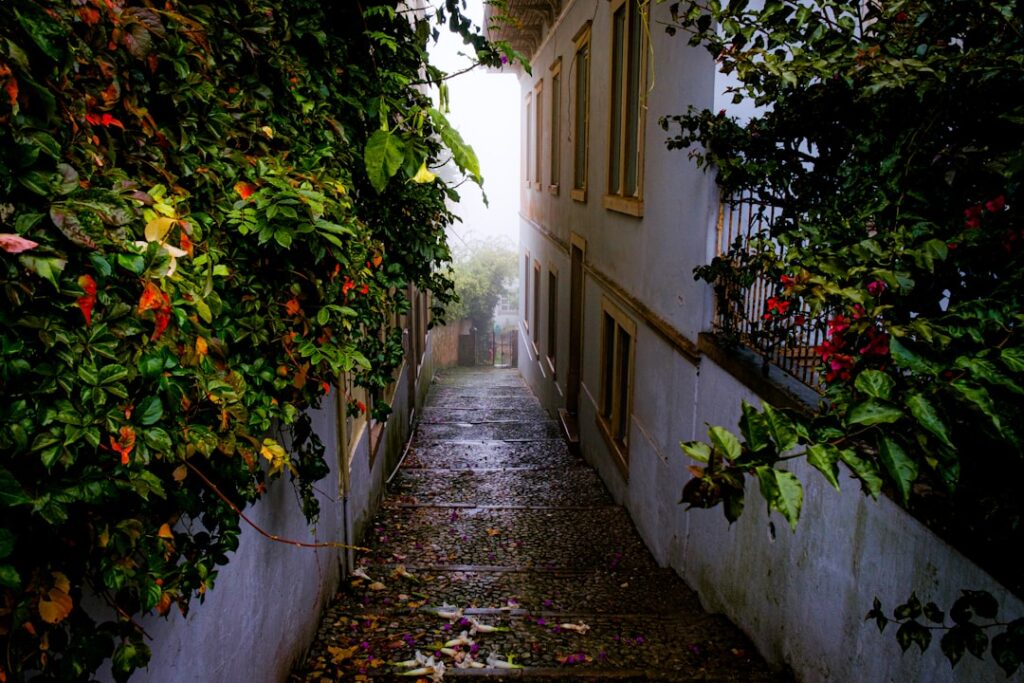
By following these guidelines you can significantly reduce the annoyances of staying in the historic center and preserve the romantic experience you expect — while being aware of the trade-offs.
7) Opening times, prices and recommendations to plan your visits (avoid crowds, save money and make the most of your time)
To optimize your stay — whether you sleep in the center or elsewhere — here are practical, up-to-date details you can use:
- Pena National Palace : address Palácio Nacional da Pena, 2710-609 Sintra. Hours: in high season generally 09:30–19:00 (ticket office closes 18:00), in low season 10:00–18:00. Price: around €14–€16 for palace and gardens entry (varies with combined tickets). Tip: arrive at opening to avoid the coaches.
- Quinta da Regaleira : address Rua Barbosa do Bocage, 2710-567 Sintra. Hours: generally 10:00–18:30 (seasonal). Price: €10–€12. Tip: explore the estate in the morning for photos and calm.
- Castle of the Moors (Castelo dos Mouros) : address Sitio do Castelo dos Mouros, 2710-405 Sintra. Hours: 10:00–19:00 in high season. Price: €8–€10. Tip: go very early or late afternoon for better light and fewer people.
- Local transport : Scotturb buses (notably line 435 to Pena and 403 Cascais–Sintra) are the best alternative to cars. Frequencies vary by season — plan ahead and check timetables at https://www.scotturb.com or at the train station.

These details will help you synchronize visits and cut down on time spent in queues. If you’re staying outside the center, leave early: monuments usually open between 09:30 and 10:00, and the first two hours are often the most pleasant.
Conclusion — Choose the experience, not the cliché: how to stay smart in Sintra
Ultimately, staying in Sintra’s Centro Histórico remains an attractive option — but it’s not neutral. The romantic image and apparent convenience hide concrete realities: complex logistics (parking, access), potentially noisy nights, price inflation and a loss of local authenticity. For many travelers, these downsides outweigh the benefit of being “at the heart” of the sites. The key is to define what you expect from your trip. Are you after Instagram shots, or a deeper, more restful experience with better value? Do you want a base to explore the coast and nearby villages, or prefer to stay inside a tourist bubble?
If your goal is to maximize comfort, tranquility and access to authentic gastronomy, the alternatives I suggest — Cascais (Hotel Baía) and Praia das Maçãs (guesthouses like A Casa do Mar) — offer tested, concrete solutions. They let you sleep better, often pay less for greater comfort, while staying within easy reach of Sintra (40–60 minutes for Cascais, 20–30 minutes for Praia das Maçãs). These places also offer a real local life, seaside walks and a sense of escape that the saturated historic center can no longer always provide.
Finally, if you still choose the Centro Histórico, do it with your eyes open: request included parking, ask for a courtyard-facing room, plan visits during off-peak hours and seek out spots locals frequent. Sintra remains a gem; it’s just a matter of choosing which facet of the gem you really want to explore. Smart travel also means knowing when to step away from the crowd to rediscover the place’s soul.